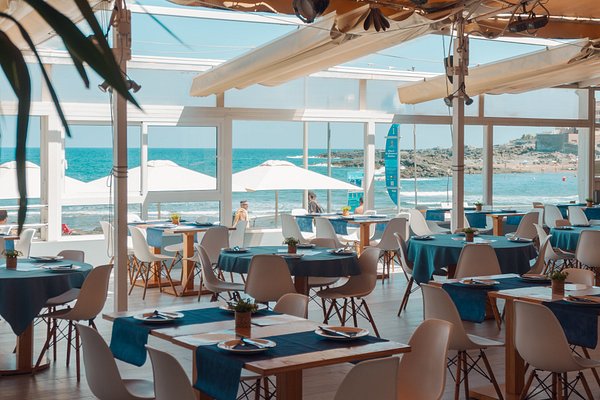
Gran Canaria is not a culinary wasteland — it is just well hidden. Behind the tourist currywurst-and-fish&chips strips of Playa del Inglés lies a food culture shaped by Canarian tradition, Spanish cuisine and fresh Atlantic fish. This guide shows where to eat well — in the south, in Las Palmas and in the interior.
Canarian cuisine: What you must try
Papas arrugadas con mojo — the calling card of Canarian cuisine. Small, wrinkled potatoes boiled in salt water, served with red mojo (paprika, garlic, cumin) and green mojo (coriander, parsley). Available everywhere, but the difference between a good and bad version is enormous.
Queso asado — grilled Canarian cheese, often served with mojo or palm honey. Gofio — toasted maize flour, staple food of the Guanches, used today as a side, in soups or as dessert (Mousse de Gofio).
Sancocho — the traditional Friday stew with salted fish (cherne), potatoes, sweet potatoes and gofio. Hard to find during the week, but on almost every Canarian menu on Fridays.
Fish: Cherne (wreckfish), Vieja (parrotfish), Sama (sea bream). It does not get fresher — the boats are in the harbour. The fishing villages (Mogán, Agaete, Sardina) have the best fish on the island.
In the South: Where tourists eat well
Mercadillo de San Fernando — The largest weekly market in the south (Wednesday and Saturday). Fresh fruit, vegetables, cheese, olives. Not a restaurant, but the best place for local produce. Between Playa del Inglés and Maspalomas.
Restaurants at Faro de Maspalomas — Around the lighthouse, several upscale restaurants with sea views. More expensive than inland, but good quality and atmosphere.
Meloneras Promenade — The luxury strip has some of the best restaurants in the south. Fish, steak, Italian, Asian — all at a high level. Prices: 25-50 euros per person with drinks.
San Fernando and Vecindario — Away from the tourist zones, locals eat. Here you find real Canarian cuisine at local prices: menú del día for 8-12 euros, papas arrugadas like grandmother made, grilled fish without the surcharge for a sea view.
Las Palmas: City-level gastronomy
Vegueta — The old town is the culinary centre. The Mercado de Vegueta (daily except Sunday) offers fresh produce and street food stalls. In the lanes around the cathedral: tapas bars, wine bars, creative cuisine.
Triana — The pedestrian zone has restaurants for every taste and budget. From pinchos bars to fine dining.
Paseo Las Canteras — The beach promenade has dozens of restaurants. Fish and seafood dominate. Best at sunset. Tip: Restaurants in the second row are often cheaper with the same quality.
Interior: Where locals eat
Guachinches — Informal eateries, often in private houses or garages. Simple Canarian food, house wine, no menu — you eat what is available. Typical for the north and centre of the island. Google Maps helps find currently open ones.
Teror — Sunday market with Chorizo de Teror (Canarian spreadable sausage) and local sweets. Restaurants around the basilica serve traditional cuisine.
Agaete — The fishing village in the northwest has some of the best fish restaurants on the island. Fresh fish, straight from the harbour.
Practical tips
Prices: A menú del día (lunch menu, 3 courses with drink) costs 8-14 euros at local restaurants. Evenings in the tourist zone: 20-40 euros per person. Tipping: 5-10 per cent is customary, not obligatory. Opening hours: Lunch 1-4pm, dinner from 8pm. Many restaurants in the south open continuously for tourists. IGIC: Canarian sales tax (7% on restaurant services) is included in prices.
At a glance:
Must try: Papas arrugadas con mojo, Sancocho, Queso asado, Gofio
Best market: Mercado de Vegueta (Las Palmas), Mercadillo de San Fernando
Best fish: Agaete, Sardina del Norte, Puerto de Mogán
Authentic and affordable: San Fernando, Guachinches, Teror
Fine dining: Vegueta, Meloneras, Faro de Maspalomas
External links: Official Gastronomy Guide — Gran Canaria Tourism (Gran Canaria)