What is happening: Baleària takes over Armas-Trasmediterránea — 15 ferries, 1,500 employees, all Canary Islands routes
Approval: CNMC has given the green light (with conditions)
Investment: 25 million euros in fleet modernisation over 3 years
What changes: Fred Olsen alliance dissolved, Morro Jable–Las Palmas route reactivated
Timeline: Completion expected April 2026
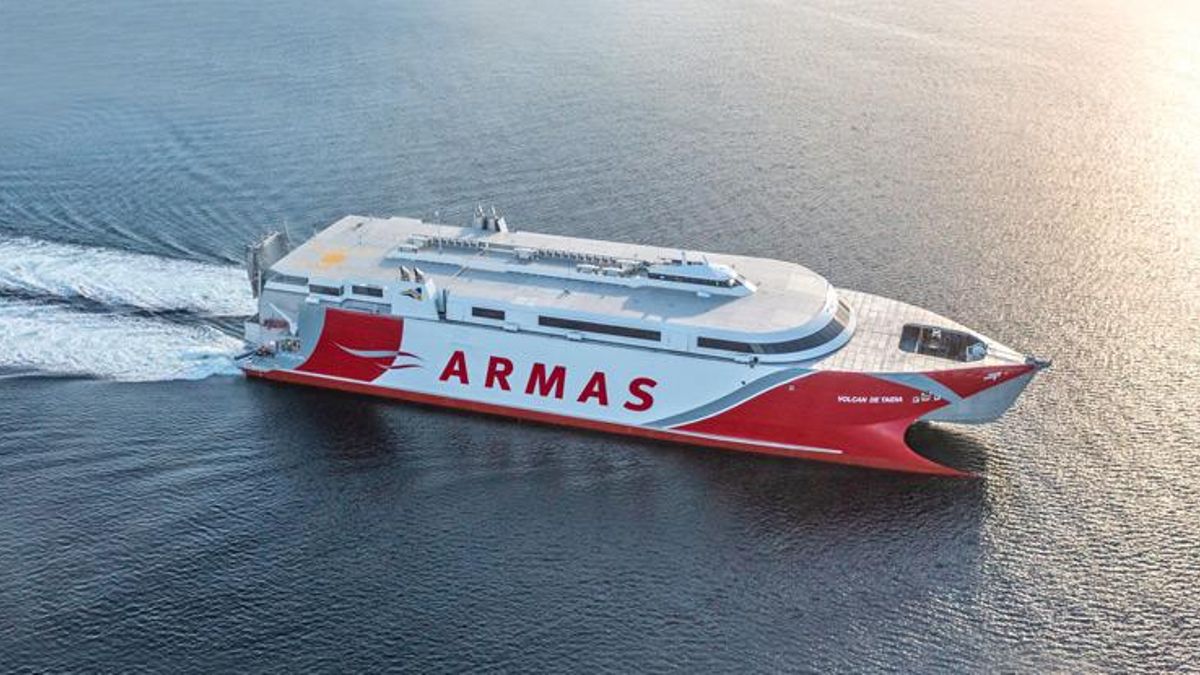
The biggest shake-up in Canary Islands ferry services in decades is taking shape: Spain's competition authority CNMC has approved the takeover of Armas-Trasmediterránea by Baleària — with conditions, but fundamentally cleared. The Valencia-based shipping company takes over 15 ferries, around 1,500 employees and all Canary Islands routes previously operated under the Armas name.
What is behind the deal
Armas-Trasmediterránea, once the largest ferry operator in the Canary Islands, has been in a financial tailspin for years. After the expensive acquisition of Trasmediterránea in 2018, the group fell into the hands of creditor funds — JPMorgan, Barings, Cheney Capital and Bain now hold 94 per cent. The Armas family retained just 6 per cent. Service deteriorated, routes were cancelled, ferries broke down. Residents on El Hierro, La Palma and Fuerteventura felt the consequences directly.
Baleària, a privately held shipping company from Dénia with 801 million euros in revenue, sees the chance to become the dominant operator in the Canary Islands at a stroke. The purchase price is around 206 million euros. Canarian investors are expected to take a 30 per cent stake in the new subsidiary.
The CNMC conditions
The competition authority identified a problem: the purchase creates a monopoly on the mainland-Canaries route. Armas and Baleària were previously the only two operators. Nine conditions apply for three years:
Baleària must dissolve its joint venture with Fred Olsen, through which both operated the Huelva–Canaries route. Fred Olsen keeps Huelva; Baleària takes over the Cádiz route from Armas.
Capacity and frequency on mainland-Canaries routes must remain at least at current levels.
Baleària must invest 25 million euros in the acquired fleet — new technology, better service, environmental standards.
The discontinued Morro Jable–Las Palmas route must be reactivated.
Prices will be monitored by the CNMC for three years.
What changes for travellers
Short term: little. Ferries keep running, routes remain. The takeover is expected to be formally completed in April.
Medium term: more. Baleària has announced it will launch the new fast catamaran Mercedes Pinto in May 2026 — the first LNG-powered vessel in the Canary Islands, built for 120 million euros. Add investments in digital booking, onboard WiFi and improved port infrastructure.
Long term: the big question is whether Baleària delivers what Armas could not — reliable, affordable ferry services between the islands. The Morro Jable–Las Palmas route was underserved for years. Connections to El Hierro and La Gomera were unreliable. If Baleària solves these problems, it benefits not just tourists but above all island residents.
Key routes under Baleària:
Mainland–Canaries: Cádiz–Gran Canaria/Tenerife (former Armas route)
Inter-island: Las Palmas–Tenerife, Las Palmas–Morro Jable, Las Palmas–Fuerteventura, Las Palmas–Lanzarote
Western islands: Los Cristianos–La Gomera, Los Cristianos–La Palma, Los Cristianos–El Hierro
New from May 2026: Fast catamaran Mercedes Pinto (LNG)
The CNMC decision is not yet final — the Economy Minister can refer it to the Council of Ministers within 15 days. But the direction is clear: Baleària will be the new main player on Canarian waters. Whether that proves better than under Armas, the coming months will tell.