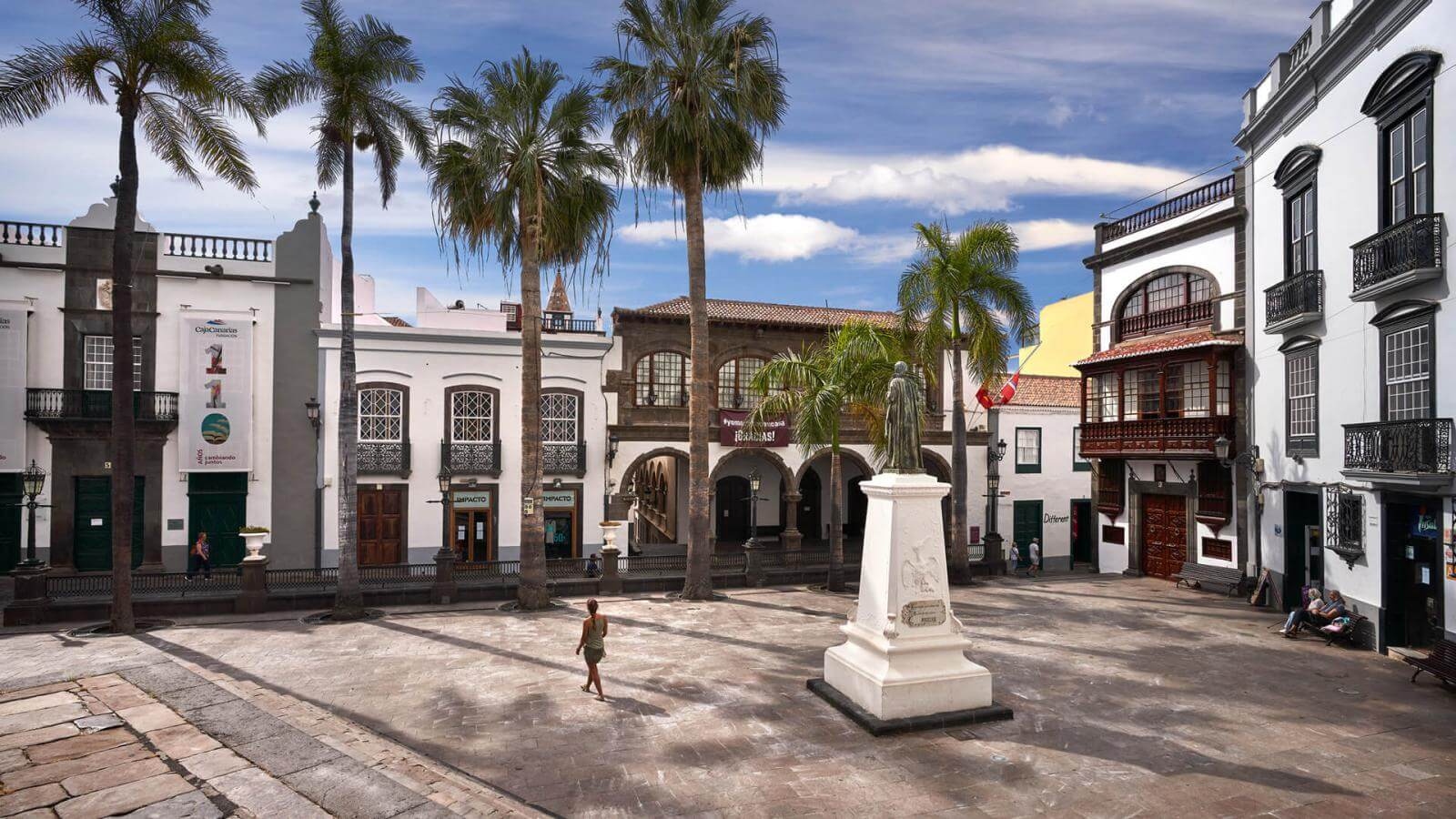
Iberia Express released its summer 2026 schedule on 22 April. The headline running across island media: ten weekly flights between La Palma and Madrid, up to two per day. That's a doubling on previous years.
True. But only half the story.
The numbers in context
If you compare La Palma to the rest of the archipelago, the picture cools down fast. Iberia Express will run 370 weekly frequencies to the Canaries in summer 2026. La Palma gets ten of those. For comparison:
- Tenerife: up to 77 weekly (North + South combined)
- Gran Canaria: up to 63 weekly
- Fuerteventura: 17 weekly
- Lanzarote: 21 weekly in July and August
- La Palma: 10 weekly
Meaning: La Palma still has the weakest Madrid connection of any island the carrier serves. The doubling is real. The gap to the big sister islands remains huge.
What changes for you
If you live on La Palma or travel there regularly, here's the practical part:
More flexibility. Two flights per day instead of one — you can head to Madrid in the morning and come back in the evening. Until now that was only possible with a connection through Tenerife or Gran Canaria.
Better onward connections. Iberia Express serves Madrid-Barajas, the Iberia Group hub with over 100 destinations. If you're heading to South America, North Africa, or European cities not served directly from Gran Canaria, this corridor is the most relevant. Morning flight out of La Palma, afternoon connection from Madrid.
No price commitment. Iberia Express has announced capacity, not a price guarantee. The resident discount (75% for registered Canarian residents) still applies, but base fares are set by the market. Experience suggests more supply tends to pull prices up for the first few weeks before settling.
Summer season start: 29 March 2026. The programme runs until the end of October.
Why the group is boosting La Palma now
Two factors stand out.
First: more than 40% of Iberia Express passengers are Canarian residents. For the airline, the archipelago isn't a secondary market — it's the core business. La Palma was the neglected link in that chain for years, so the group reinforcing here points to demand data that justifies the move.
Second: La Palma's tourism recovery after the 2021 volcanic eruption is, after years of adjustment, clearly on the rise. Valle de Aridane, Los Llanos and Fuencaliente are back to pre-crisis overnight-stay levels. More tourists, more seats needed. The Spanish domestic market weighs more here than the international one — and that market runs through Madrid.
What's missing — and what should drive the debate on the island
The announcement leaves three open questions that matter to residents:
What about winter capacity? Ten frequencies is a summer figure. For La Palma locals, November to March counts too — the months with medical appointments, admin, family visits. Iberia Express hasn't published anything on this yet.
Are there negotiations for direct connections to other Spanish cities? Barcelona, Bilbao, Valencia — all currently require a stopover. The Cabildo Insular has had this on the agenda for years without visible results.
How will Binter and Canaryfly react? The inter-island Canarian carriers benefit from La Palma passengers often flying to Gran Canaria or Tenerife first to connect. If Madrid is served directly, they lose feeder traffic. Price or schedule adjustments are possible.
---
Source of Iberia figures: Iberia Express press release, 22 April 2026, and follow-up coverage in El Apurón, Hosteltur and Diario de Fuerteventura. Comparative figures for other Canary Islands come from the same release.
We're staying on this story — particularly whether the expansion pushes prices down or whether the carrier uses the new capacity to hold average fares. If you're a La Palma commuter with price comparisons, or you notice tickets getting more expensive, let us know.