Investment: Over €1.8 billion
Investor: AENA (Spain's state airport operator)
Period: 2027–2031 (DORA III — Airport Regulation Document)
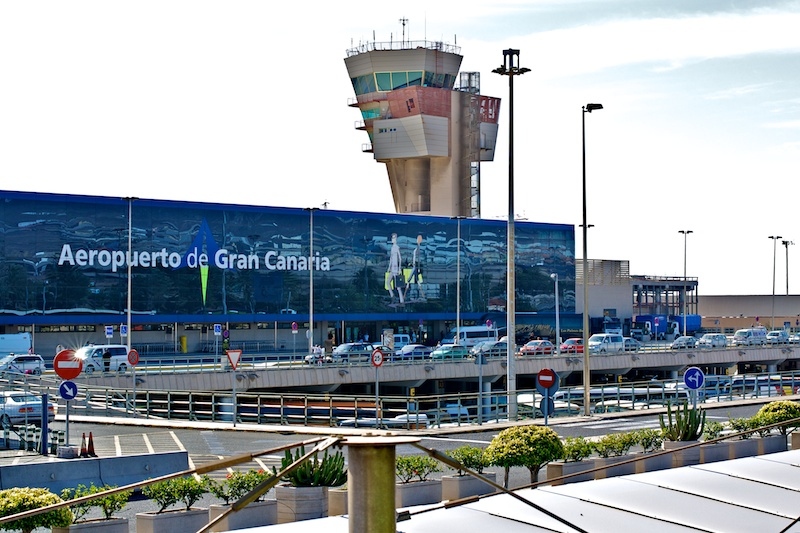
Airports: Gran Canaria (LPA), Tenerife South (TFS), Tenerife North (TFN), Lanzarote (ACE), Fuerteventura (FUE)
Key feature: First-ever planning for intermodal rail connections at Gran Canaria and Tenerife airports
Announced by: María Fernández, Director General of Transport, Canary Islands Government
The Biggest Airport Investment in Years
The Canarian government has secured a landmark commitment from AENA to invest over €1.8 billion in the archipelago's airport infrastructure. The funding is part of DORA III, the new Airport Regulation Document covering the period from 2027 to 2031.
Transport director María Fernández presented the figures on 6 April 2026 at the Comité de Coordinación Aeroportuaria de Canarias — the only formal body through which the Canarian government can influence airport decisions. Fernández emphasised that the regional government's formal objections (alegaciones) had been instrumental in securing the investment level.
Five Airports to Benefit
The funds will go to the five busiest airports in the archipelago: Gran Canaria, Tenerife South, Tenerife North, Lanzarote and Fuerteventura. The aim is to match capacity to steadily growing demand. Canarian airports set new passenger records in 2025, and pressure on infrastructure has been building for years.
Specific improvements include terminal upgrades, modernised handling technology, enhanced passenger experience and increased operational capacity — meaning more flights processed per hour.
Train to Plane: Rail Integration Planned
Perhaps the most forward-looking element of the plan: for the first time, an AENA regulation document accounts for the planned railway projects on Gran Canaria and Tenerife (RTVC). AENA has committed to reserving space within airport terminals for rail connections and allocating budget for intermodal infrastructure.
While the exact costs for rail integration have not yet been quantified, the commitment to intermodality — seamless connections between different transport modes — represents a political breakthrough. Both islands have been planning train services between their main cities and airports for years.
New Ground Transport Charges
AENA also announced that new ground transport charges at Canarian airports will be introduced gradually. The plan includes courtesy periods at no charge, dedicated waiting areas and adjustments based on each airport's operational needs. Implementation details are expected later.
Canary Islands Push for Greater Say
Fernández used the occasion to reiterate the Canary Islands' demand for genuine participation in airport management. Article 161 of the Canarian Statute of Autonomy grants the islands effective involvement in managing their airports — but this provision has yet to be implemented. The transport director stressed that decisions affecting island connectivity must account for the archipelago's status as an EU outermost region (AtlánticoHoy).
For the Canary Islands, where over a third of GDP depends on tourism, airports are lifelines. The €1.8 billion investment secures infrastructure for the next decade — and with the railway projects, could fundamentally transform mobility across the islands.