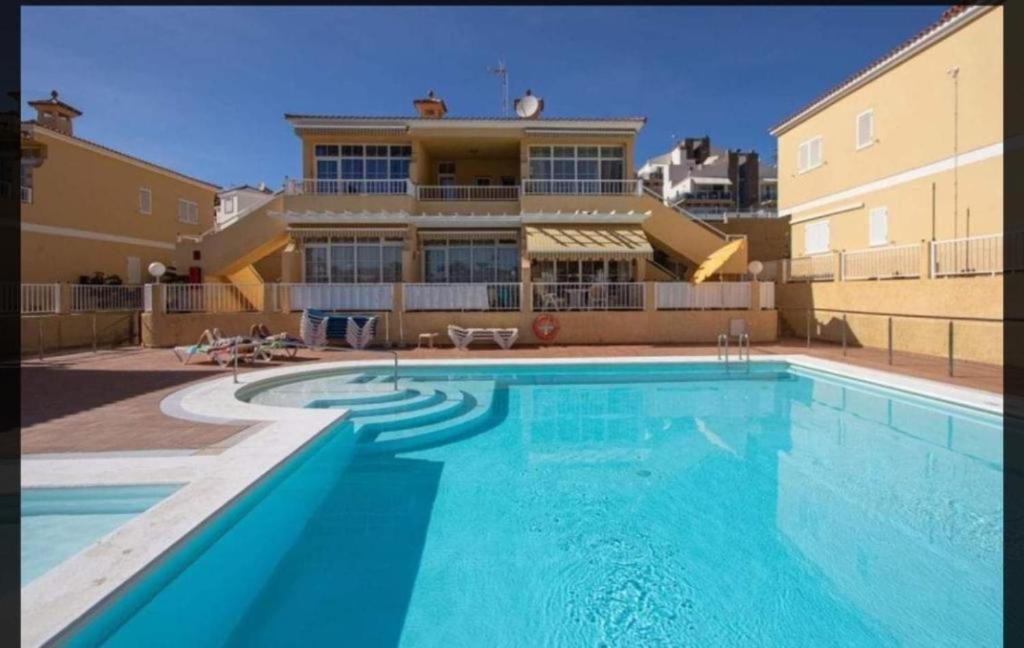
You have made your decision: Gran Canaria, south, permanently. The rental market you are about to enter is unlike anything in northern Europe. Around 90 percent of all residential units between Maspalomas and Playa del Inglés are registered as tourist accommodation. That means short-term seasonal contracts, inflated prices and a race for the handful of genuine long-term apartments. With the right preparation you will find a home — without paying over the odds.
Rental prices by area — an honest overview
Prices in the south vary significantly by location, specification and contract type. The closer to the beach and the more tourist-heavy the neighbourhood, the higher the price — and the shorter the contract. Our live Gran Canaria property price data gives you current market figures to benchmark against.
Long-term rental prices (Vivienda habitual, 2025/2026):
Maspalomas / Campo Internacional: Studio/1-bed €850–1,200/month · 2-bed bungalow €1,100–1,400/month
Playa del Inglés: 1-bed €950–1,300/month · 2-bed €1,200–1,600/month
Meloneras: 1-bed from €1,200 · 2-bed €1,500–2,200/month
San Fernando: most affordable area in the south · 1-bed from €750 · 2-bed from €950/month
Arguineguín: 1-bed €700–1,000 · 2-bed €950–1,300/month
Seasonal contracts (Temporada, 3–6 months): expect a 20–40% premium on the above prices
South average: approx. €24/m² cold rent (Idealista, Sept. 2025)
Meloneras is the premium district: a promenade lined with five-star hotels, excellent amenities and the highest prices on the island's south coast. San Fernando is the opposite — this is where locals shop and live, with supermarkets, bakeries and bus connections at local prices. Arguineguín, further west towards Puerto de Mogán, retains an authentic fishing-village feel and remains noticeably cheaper than Maspalomas.
Temporada vs. Vivienda habitual — the contract type that changes everything
Spain has two fundamentally different residential contract types, and knowing which one you are signing matters enormously before you put pen to paper.
A vivienda habitual contract (permanent residence) falls under the Ley de Arrendamientos Urbanos (LAU). It gives you strong tenant protection: a minimum five-year term (with private landlords), automatic renewal rights and capped rent increases. This is the contract you want if you are settling on the island, registering your address (empadronamiento) and planning to live here long-term.
A temporada contract (seasonal contract) is capped at eleven months. No right to renewal, no limits on price increases at the next signing. These contracts are often used for winter-season lets — or by landlords who want to avoid LAU protections. In the south of Gran Canaria, the temporada contract is the default; a genuine long-term contract is the exception.
Important: a seasonal contract does not entitle you to register your address (empadronamiento). For Spanish residency and all the bureaucratic processes that come with it, you need a permanent-residence contract. Our Relocate series covers NIE and empadronamiento step by step.
The biggest problem in the south: almost no genuine long-term apartments
The south of Gran Canaria — from Maspalomas through Playa del Inglés to the Campo Internacional — was planned and built as a tourist zone in the 1960s and 1970s. The bungalow complexes around the famous dunes are overwhelmingly registered as apartamentos turísticos. That means a landlord is not legally entitled to offer you a standard residential tenancy — the unit is not licensed for permanent habitation.
In practice it happens anyway. Some owners rent informally, without the building being approved for residential use. The risk falls entirely on you as the tenant: no legal protection, possible eviction at short notice, no empadronamiento possible. Never sign a contract without first checking that the property is registered as vivienda (residential) rather than solely as apartamento turístico in the land registry.
Where to search — and what actually works
The best-known portals for long-term rentals on Gran Canaria are Idealista and Fotocasa. Both have filters for "larga duración" (long-term) — use them. That said, the portals show only part of the market.
A significant proportion of available rentals circulate through Facebook groups: "Gran Canaria Expats", "Maspalomas Alquiler" and similar communities have active members posting properties daily. Personal connections to property managers who handle multiple units are especially valuable here.
Do not underestimate the orange signs. Many streets in the south have handwritten or printed "SE ALQUILA" (for rent) signs on windows and fences — often directly from the owner, no portal, no agency fee. Walk through San Fernando, Arguineguín or the residential streets behind the Yumbo Centre: you will find listings that never appear online. A direct approach to complex management offices is also worth trying.
High season means less choice and higher prices
Anyone searching between November and April is competing with the tourist flow. This is peak season in the south of Gran Canaria — Europeans fleeing winter fill hotels and bungalows, and landlords know it. The result: fewer long-term apartments available (seasonal winter lets take priority) and higher asking prices on what remains. If you have any flexibility, search between May and October — landlords are more open to negotiation and long-term contracts.
The documents you need
No serious landlord in the south will sign a long-term contract without proof of financial reliability. Have the following ready before you start viewings:
NIE (Número de Identidad de Extranjero) — mandatory for all non-Spanish nationals. Our Relocate #02 explains how to apply.
Spanish bank account — for rent by direct debit. Most landlords will reject you without one.
Proof of income — nómina (payslip), employment contract, or for self-employed: tax return / three months of bank statements. Rule of thumb: your net monthly income should be at least 2.5× the monthly rent.
Deposit — legally one month's rent, in practice often two. Agency fees add one to two additional months on top.
Additional guarantee — some landlords require a bank guarantee or a guarantor. This is legal and not unusual in the south.
If you are a freelancer or digital nomad without a traditional payslip, bring bank statements, international contracts or invoices. Some landlords in the south will accept this — but it takes longer. CITA News tracks current Gran Canaria property prices to help you negotiate from an informed position.
Budget for running costs
Beyond the base rent, typical monthly running costs in the south are: electricity (Endesa) €40–60 in summer, more if you run air conditioning through winter. Water €15–25. Internet €25–40, often included in bungalow complex rentals. Pool and communal areas are standard in most complexes — a clear advantage over mainland Spain.
Pets and children: many bungalow complexes in Campo Internacional and Playa del Inglés have house rules prohibiting pets or children. Ask explicitly before booking a viewing.
Puerto de Mogán and beyond the dunes — for those who want quiet
If you want distance from the tourist bustle, look towards Puerto Rico or Puerto de Mogán. The latter is often called the prettiest village in the Canary Islands — a calm marina, family-friendly atmosphere and far less club tourism. Rental prices are comparable to Maspalomas, but the feel is entirely different. Those seeking authentic Canarian life can look at small villages in the hills between Maspalomas and the iconic Roque Nublo — but a car becomes essential.
For current weather in south Gran Canaria and the full relocation picture, our Relocate series has you covered from arrival to settled life on the island.