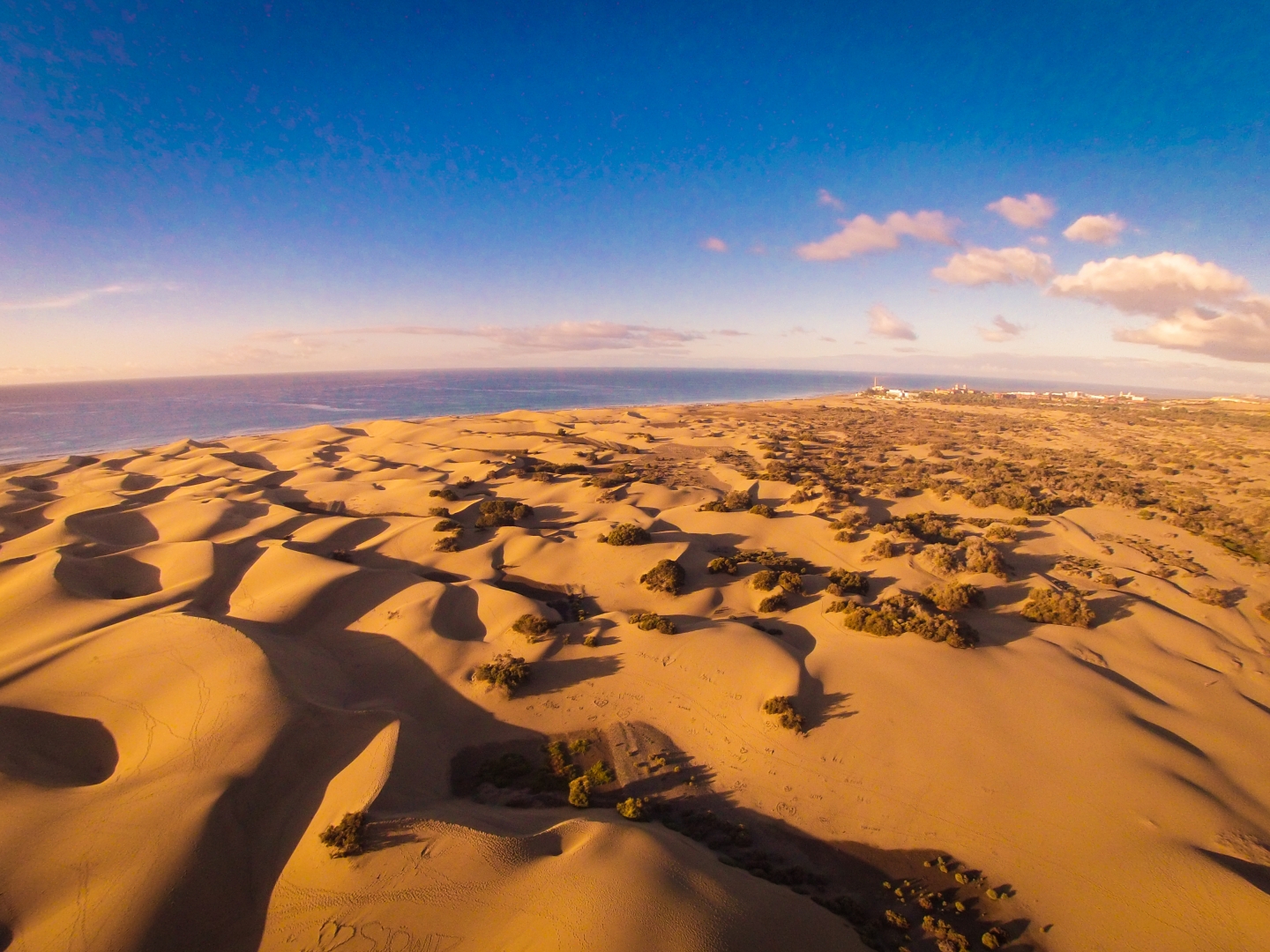
The 15 awarded beaches in 2026
The Blue Flag is awarded in 2026 to the following 15 Gran Canaria beaches: In San Bartolomé de Tirajana there are Maspalomas, Meloneras, San Agustín, El Inglés, and Las Burras (new) — five beaches in total. In Telde, Hoya del Pozo, Melenara, La Garita, and Salinetas hold the distinction. In Arucas, El Puertillo and Los Charcones are awarded. In Gáldar it is Sardina, in Agaete Las Nieves, in Ingenio El Burrero, and in Agüimes Arinaga. Las Burras in San Bartolomé de Tirajana is the only new addition for Gran Canaria in 2026. With five beaches, San Bartolomé de Tirajana is the municipality with the most Blue Flags on the island.
Las Palmas: again without a Blue Flag
As in previous years, the capital Las Palmas de Gran Canaria does not receive a Blue Flag in 2026 — despite well-known beaches such as Las Canteras and Las Alcaravaneras. The matter has resurfaced in the local press. The Blue Flag is awarded not only for water quality, but also for safety, service, environmental communication, and sustainable tourism offers — criteria where, in the assessing body ADEAC's view, the capital's beaches apparently show deficits. The Las Palmas city administration has not yet issued a public statement in 2026 explaining the situation. The criticism resurfaces annually.
The Canary Islands overall: 52 Blue Flags
Across all Canary Islands, 52 Blue Flags are awarded for beaches in 2026 — six more than in 2025. This places the archipelago fifth in Spain, behind the Valencian Community (151), Andalusia (143), Galicia (118), and Catalonia (101). Fuerteventura receives 11 awards, Tenerife 11 (after losing one for Los Cristianos), La Palma 6, Lanzarote 6, El Hierro 2, and La Gomera 1. Spain-wide, the total is 677 beaches — the best result since the programme began in 1987. Additionally, Gran Canaria has three ports with the Blue Flag: Las Nieves in Agaete (new), Mogán, and Pasito Blanco in San Bartolomé de Tirajana. Across the Canaries there are ten ports with this distinction.
What the Blue Flag means
The Blue Flag is an international environmental certification awarded by the Foundation for Environmental Education (FEE). In Spain, the Asociación de Educación Ambiental y del Consumidor (ADEAC) coordinates the programme. The certification reaches its 40th edition in 2026. The criteria are strict: water quality, safety (lifeguards, first aid), cleanliness, accessibility for people with reduced mobility, environmental communication, and sustainable tourism offerings. Evaluation is repeated annually — past holders must meet the criteria again each year. "The Blue Flag confirms the outstanding water quality and environmental standards of the island," stated the Cabildo de Gran Canaria president.
Tourism impact
Blue Flags are an established factor in tourism marketing. Studies show that many travellers consider the award when choosing a beach. Families with children, older travellers, and people with reduced mobility pay particular attention to the award. For Gran Canaria, whose tourism sector is strongly shaped by beach tourism, the high number of awarded beaches confirms years of investment in water quality, beach infrastructure, and environmental education. San Bartolomé de Tirajana in particular, with its five awards, shows that the Maspalomas-Costa Canaria tourism brand also focuses on environmental quality and service standards.
Frequently Asked Questions
- How many Blue Flags does Gran Canaria have in 2026?
- Gran Canaria receives 15 Blue Flags for beaches in 2026 — one more than in 2025. Las Burras in San Bartolomé de Tirajana is the only new addition.
- Which beaches are awarded?
- Maspalomas, Meloneras, San Agustín, El Inglés, and Las Burras (San Bartolomé de Tirajana); Hoya del Pozo, Melenara, La Garita, and Salinetas (Telde); El Puertillo and Los Charcones (Arucas); Sardina (Gáldar); Las Nieves (Agaete); El Burrero (Ingenio); and Arinaga (Agüimes).
- Why doesn't Las Palmas receive a Blue Flag?
- As in previous years, the capital does not receive a Blue Flag in 2026. The assessing body ADEAC cites deficits in several criteria — likely service, safety, or environmental communication. A detailed statement from the city administration is still pending.
- How many Blue Flags does the Canary archipelago have?
- Across all Canary Islands, there are 52 Blue Flags for beaches in 2026 — six more than in 2025. This places the archipelago fifth in the Spanish ranking.
- Who awards the Blue Flag?
- The award is granted internationally by the Foundation for Environmental Education (FEE) and coordinated in Spain by the Asociación de Educación Ambiental y del Consumidor (ADEAC).