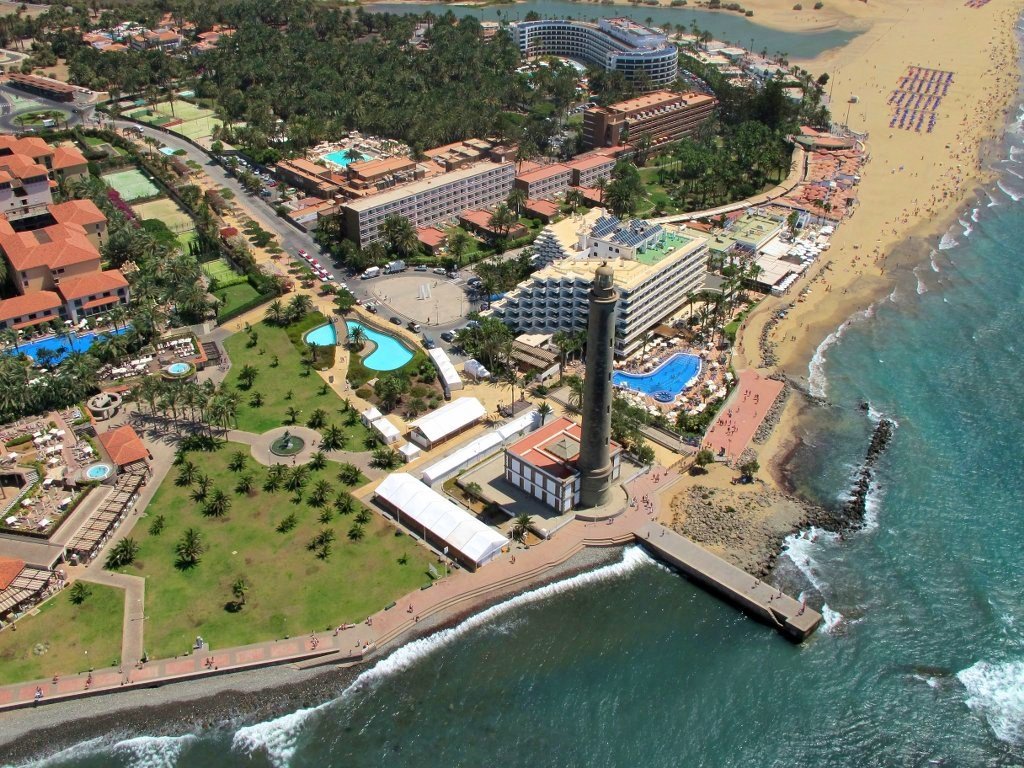
If you have spent any time on the southern tip of Gran Canaria, you already know the feeling: soft sand underfoot, a gentle breeze from the Atlantic, and water so clear you can see the ripples on the bottom. Now, that familiar sense of well-being comes with an extra layer of official reassurance. The municipality of San Bartolomé de Tirajana has just added a fifth Blue Flag to its coastline, welcoming Playa de Las Burras into a very exclusive club.
For years, the Blue Flags over Playa del Inglés, Maspalomas, Meloneras and San Agustín have been a quiet promise to visitors. That promise is simple: the water is pristine, the sand is clean, and someone is looking out for your safety. With Las Burras finally getting its own flag, the entire stretch of coast feels more complete. It is not just about a piece of fabric flapping in the wind; it is about the confidence that comes from knowing an independent, international jury has put this shoreline under a microscope and found it to be exceptional.
A long-awaited recognition for a local favourite
Las Burras has always been a bit of an insider tip. Tucked between the busier sands of San Agustín and Playa del Inglés, it has a slightly more relaxed, neighbourhood feel. The waves are usually gentle, making it a hit with families and older swimmers who prefer a less dramatic entry into the sea. Until now, however, it was the only major beach in the area missing that distinctive blue and white emblem.
The official 2026 list from ADEAC, the Spanish arm of the Foundation for Environmental Education, has changed that. The local council confirmed the news with palpable pride, noting that Las Burras now stands shoulder to shoulder with its more famous neighbours. It is a first-time award, and it reflects years of quiet work behind the scenes to upgrade facilities, tighten safety protocols, and ensure the environmental management meets the strictest international standards.
What the Blue Flag actually guarantees
It is easy to see a flag and think "nice beach," but the criteria are surprisingly tough. The Blue Flag is not a beauty contest; it is a rigorous audit that covers four main pillars. First and most importantly, the water quality must be rated "Excellent." This means regular testing for things like E. coli and intestinal enterococci, with results that consistently meet the highest thresholds. No industrial or sewage discharges are allowed anywhere near the flagged area.
Second, environmental management must be top-notch. On these five Maspalomas beaches, that translates to effective waste collection, protection of the delicate dune ecosystems, and proper sewage treatment plans. Third, you will find clear information boards detailing water quality, local wildlife, and the rules of the flag itself. Finally, safety and services are non-negotiable. Lifeguards, first-aid stations, accessible toilets, and drinking water must all be present and well-maintained. The municipality also has to ensure at least one of its Blue Flag beaches is fully equipped for people with reduced mobility, a box that this coastline proudly ticks.
The bigger picture for Gran Canaria’s south
With five flags now flying in a single municipality, San Bartolomé de Tirajana cements its reputation as a heavyweight in sustainable coastal tourism. It is not just about having one perfect postcard beach; it is about offering a consistent ribbon of excellence that stretches from the lively shores of Playa del Inglés, past the iconic dunes of Maspalomas, through the elegant promenade of Meloneras, and all the way to the calmer coves of San Agustín and Las Burras.
This concentration of quality matters. It means you can walk for kilometres along the coast and never leave a certified environment. For digital nomads setting up a laptop in a beachfront café, for families teaching little ones to paddle, and for long-stay visitors who make this coastline their winter home, the flags are a daily, tangible sign that the destination cares. The addition of Las Burras also helps spread visitors more evenly, easing pressure on the more famous spots and encouraging people to discover a slightly quieter stretch of sand that now officially ranks among the best in the world.
Planning your beach day with confidence
If you are mapping out your perfect Gran Canaria itinerary, the 2026 Blue Flag list is a brilliant cheat sheet. Start your morning with a swim at Playa del Inglés, where the energy is high and the facilities are endless. Stroll west towards the Maspalomas dunes for that surreal desert-meets-ocean landscape. Meloneras offers a more polished, upscale vibe with its lighthouse and promenade. San Agustín provides a relaxed, residential feel with calm waters. And now, Las Burras completes the set as the authentic, low-key option where you can spread your towel and feel like you have found a secret spot, even though it is officially world-class.
Remember that the Blue Flag is awarded seasonally, and the criteria are rechecked every year. The 2026 award is a snapshot of the beach right now, and the local authorities work hard to keep it that way. When you see that flag fluttering, you know that behind it stands a whole infrastructure of water testing, lifeguard training, waste management, and environmental education. It is a promise kept, not just a prize won.
Common questions
- Which Maspalomas beaches have a Blue Flag in 2026?
- Playa del Inglés, Maspalomas, Meloneras, San Agustín and the newly awarded Playa de Las Burras.
- Is Playa de Las Burras really a Blue Flag beach now?
- Yes, the official 2026 ADEAC list and the San Bartolomé de Tirajana council confirm it received the award for the first time this year.
- What does the Blue Flag mean for water quality?
- It guarantees "Excellent" bathing water quality, verified by regular testing for bacteria like E. coli and intestinal enterococci.
- Are there lifeguards on these beaches?
- Yes, Blue Flag criteria require lifeguards, first-aid equipment, and emergency plans to be in place during the season.
- Can I access these beaches with a wheelchair?
- At least one Blue Flag beach in the municipality is equipped for people with reduced mobility, and the main beaches offer good accessibility.
Read on
- Gran Canaria this weekend, 23–25 October: WOMEX, La Oreja de Van GoghGran Canaria · 20 October
- Puerto de Mogán: 4 verified restaurants, from fish to IrishGran Canaria · 20 October
- Gran Canaria Wins 15 Blue Flags for 2026Gran Canaria · 5 May
- Gran Canaria: Halloween parties on 31 October at a glanceGran Canaria · 20 October
- Gran Canaria: hotel cleaner arrested over gold chain theftGran Canaria · 18 October
- Maspalomas Guide: food, nightlife, tips and events
- All events on Gran Canaria →
Stand: 15 July 2026. Based on the official 2026 ADEAC Blue Flag list and municipal communications from San Bartolomé de Tirajana.