Gran Canaria: the complete travel guide 2026
Gran Canaria is a year-round Canary Island for beach, walking and culture travellers, and its airport counted 15,826,553 passengers in 2025 according to AENA. This travel guide brings together arrival, accommodation, costs, sights, beaches and food.
Quick Summary
| Topic | Guides & Resources |
|---|---|
| Category | Canary Islands News |
| Source | CITA News Editorial Team |
Comprehensive guides to tourism, safety, climate, food and expat life on Gran Canaria.
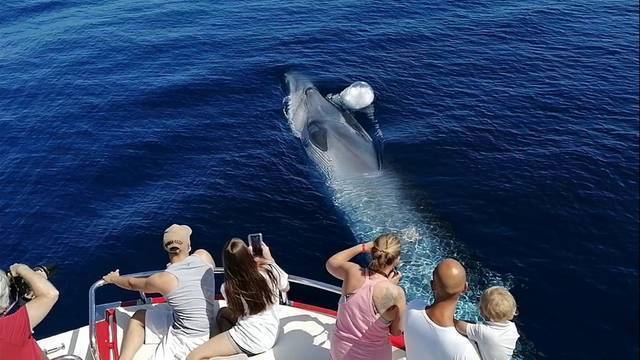
Whales & dolphins off Gran Canaria: tours, harbours & the blue pennant
Near-guaranteed sightings all year — which harbour, which tour, which animals, and how the blue pennant marks the wildlife-friendly boat.
Read guide →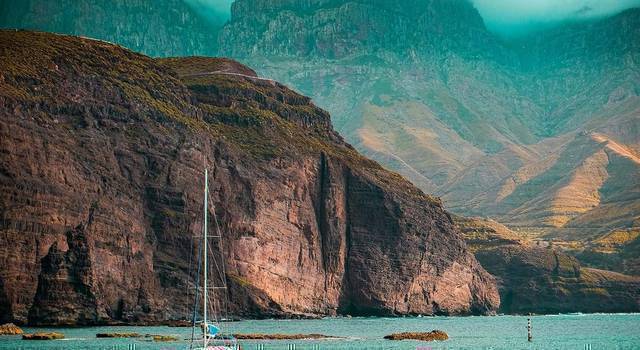
Gran Canaria or Tenerife? The honest island comparison — no marketing spin
Which Canary Island suits you? A comparison with hard figures — climate, beaches, nature, costs and getting there.
Read guide →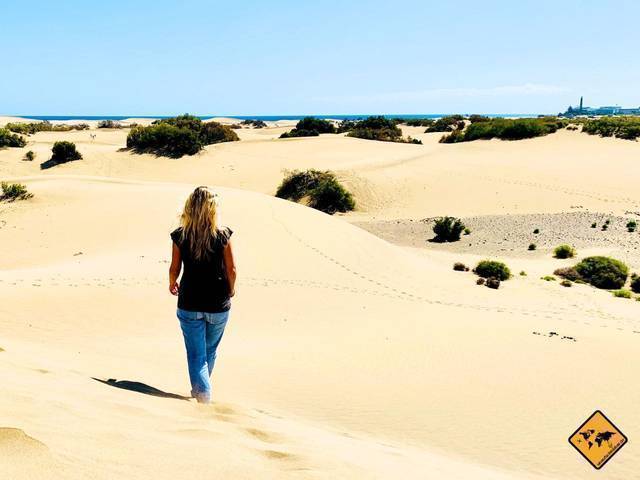
Best time to visit Gran Canaria: when is it best?
20–29 °C all year — but when is it really worth going? Seasons, sea temperature, crowds and prices, explained month by month.
Read guide →
Things to Do in Gran Canaria: Top Sights & Route
Roque Nublo, the Maspalomas dunes, Puerto de Mogán, Tejeda, Teror, Las Palmas — the island's loveliest places plus a ready-made 3- and 5-day route.
Read guide →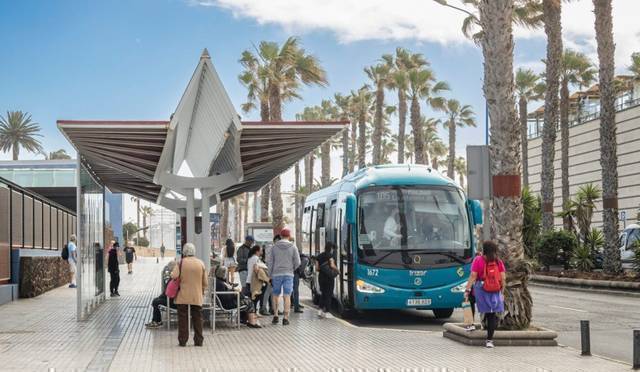
Getting Around Gran Canaria: Bus, Taxi & Car
Bus, taxi or rental car? An easy run-through: Global and Guaguas buses, lines 30/60/66, airport transfers, the money-saving TransGC card and ferries.
Read guide →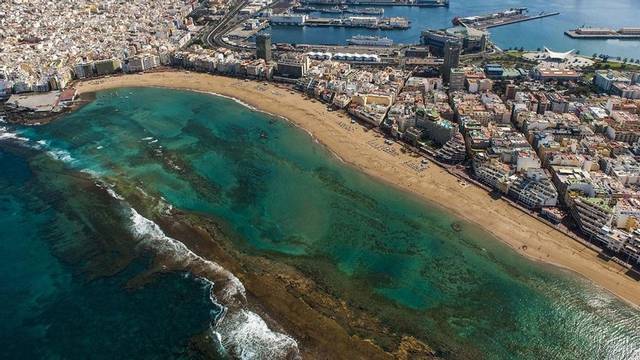
Gran Canaria for Digital Nomads 2026
The complete 2026 guide for remote workers: the Spain Digital Nomad Visa, the 24% flat tax, real Las Palmas costs, the best coworking spaces and where to live.
Read guide →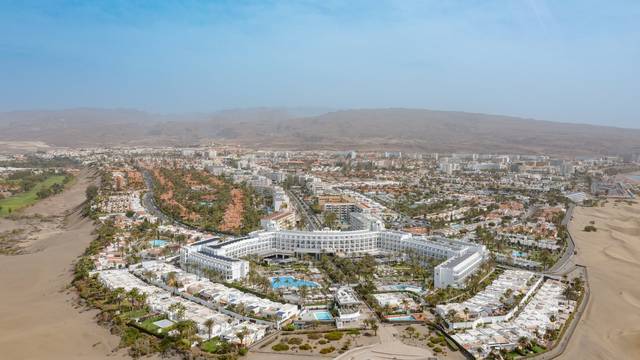
Where to Stay in Gran Canaria? The Areas Guide
South or north, family or party, beach or city: an easy run-through of every key area — Maspalomas, Playa del Inglés, Puerto Rico, Mogán and Las Palmas.
Read guide →
Gay Gran Canaria: Maspalomas, Yumbo & Pride
Sunshine, the Yumbo Centre, two Prides a year and the gay beach in the dunes — the complete, easy-going guide to a gay holiday on Gran Canaria.
Read guide →
Pope Leo XIV in the Canary Islands — the complete dossier
Pope Leo XIV visits Gran Canaria and Tenerife on 11–12 June 2026 — the first papal visit to the Canaries since 1982. Official programme day by day, road closures, transport to every venue and the migration background. Eight chapters, all sources.
Read dossier →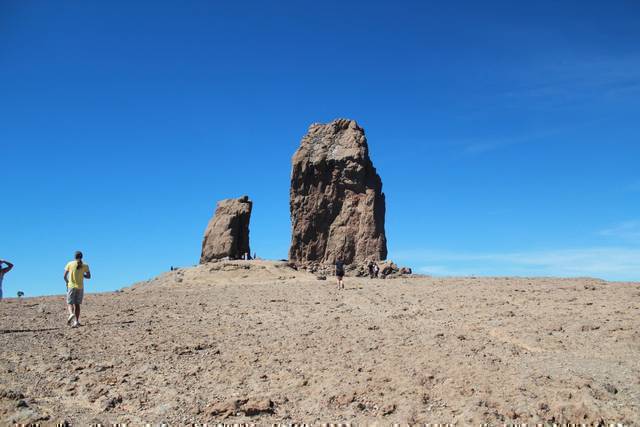
Hiking Gran Canaria 2026: GR131, Roque Nublo, Reservations
GR131 Maspalomas–Agaete 65 km, five stages. Roque Nublo reservation 9 am–5 pm mandatory, Cruz de Los Llanos parking, Line 18 shuttle. Season November to May. Seven chapters, all sources.
Read guide →
Gran Canaria with Kids 2026: Family Guide
Four theme parks, eighteen family-friendly beaches, Poema del Mar, 21°C year-round climate. Which park for which age, best family regions, daily budget. All sources.
Read the guide →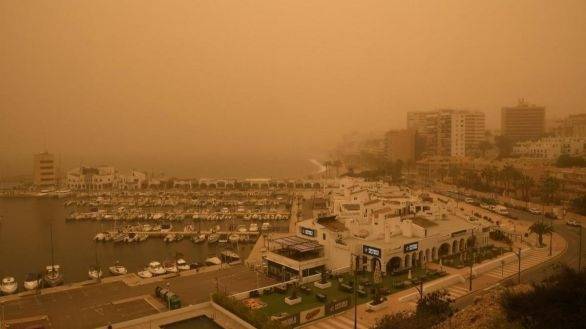
Canary Islands Weather & Calima 2026: Climate, Storms, AEMET, Health
Annual mean 21.1°C, 151 mm rainfall, 2822 sun hours. Calima record 40× EU limit, storm Therese €186.8 M damages. Eight chapters, fully sourced.
Read the guide →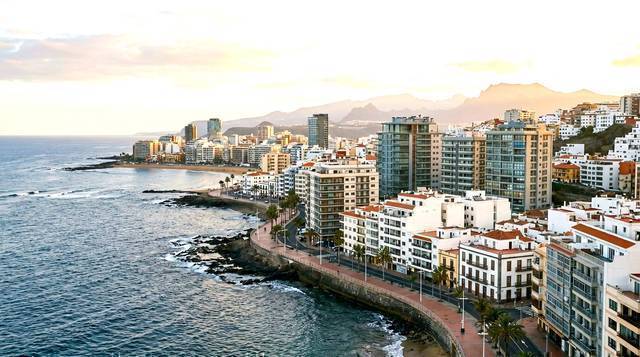
Real Estate Gran Canaria 2026: Buying, Renting, Law, Taxes
Price per square metre, ITP, IGIC, non-resident mortgage, vivienda vacacional after the Supreme Court ruling, 2026 EU debate. Eight chapters, every figure sourced.
Read guide →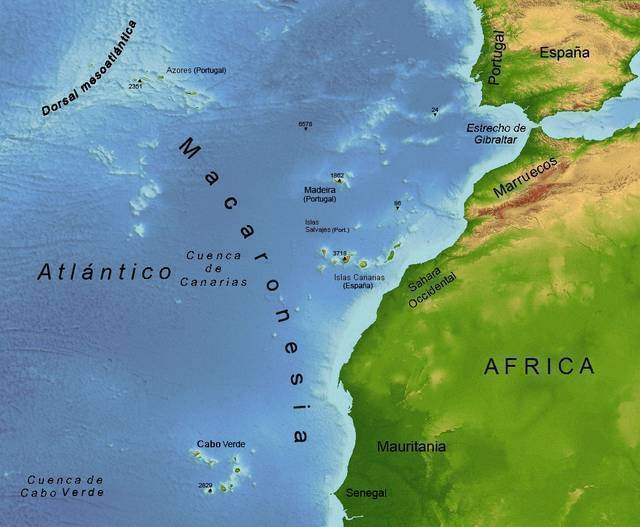
Canaries as stepping stone between Latin America and Africa
The port of Las Palmas is courting Brazilian trade flows. The Zona Franca is negotiating in Santiago. Will the Canaries become the Atlantic hub?
Read guide →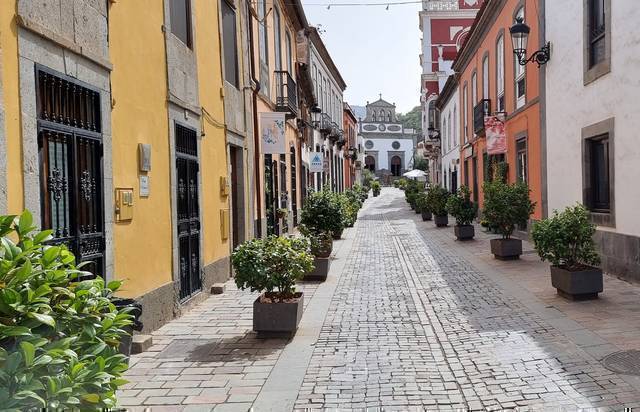
Best Restaurants in the Interior
The best food on Gran Canaria isn’t at the beach — it’s in the mountains. A guide to ten restaurants in the interior, from Tejeda to Guayadeque.
Read guide →
Africa's Gateway to Europe Is in the Canary Islands
46,000 arrivals, 10,000 dead, Moroccan police on Lanzarote — the complete migration guide with all the facts.
Read guide →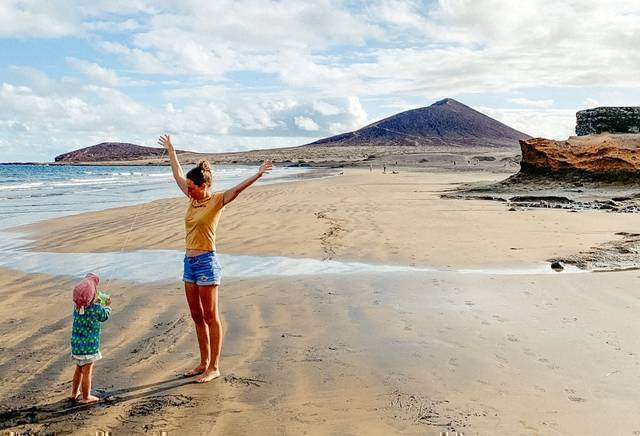
Moving to Gran Canaria 2026: The Complete Guide
NIE, registration, costs, taxes, healthcare, housing — everything you need to know.
Read guide →
Deadly Trap: Dating App Safety Guide
How criminals use Grindr and dating apps to rob gay men — what tourists in Gran Canaria need to know.
Read guide →
Maspalomas Carnival Guide
Everything about the International Carnival of Maspalomas — programme, Gala Drag, Cabalgata, Entierro.
Read guide →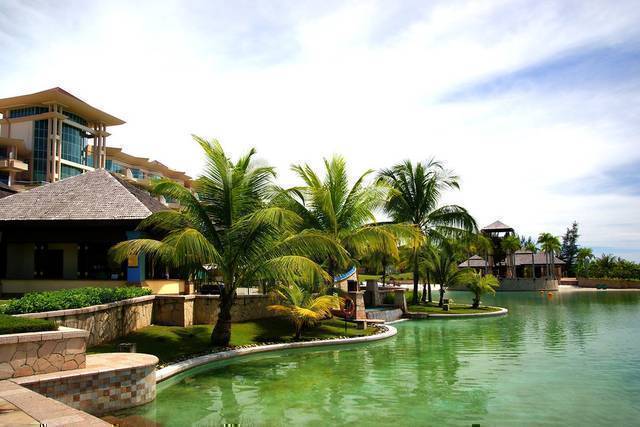
Gran Canaria Tourism Guide
Numbers, trends, infrastructure — the complete overview of tourism on Gran Canaria.
Read guide →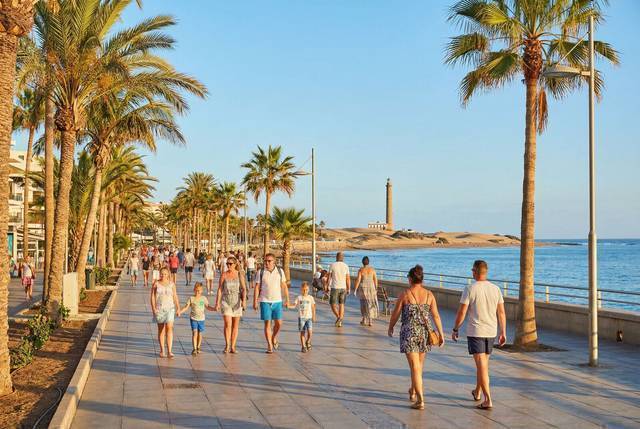
Safety on Gran Canaria
Crime, natural hazards, health — what you need to know to stay safe.
Read guide →
Expat & Digital Nomad Guide
Living, working, taxes — the guide for expats and digital nomads on Gran Canaria.
Read guide →
Economy & Politics Guide
GDP, labour market, political system — Gran Canaria's economy and politics explained.
Read guide →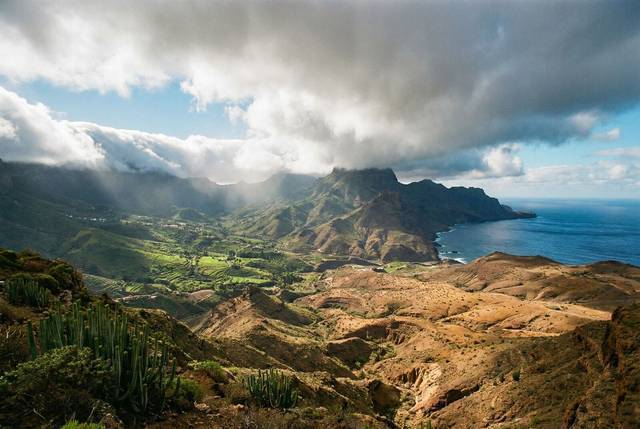
Climate & Weather Guide
Microclimates, Calima, trade winds — understanding the weather on Gran Canaria.
Read guide →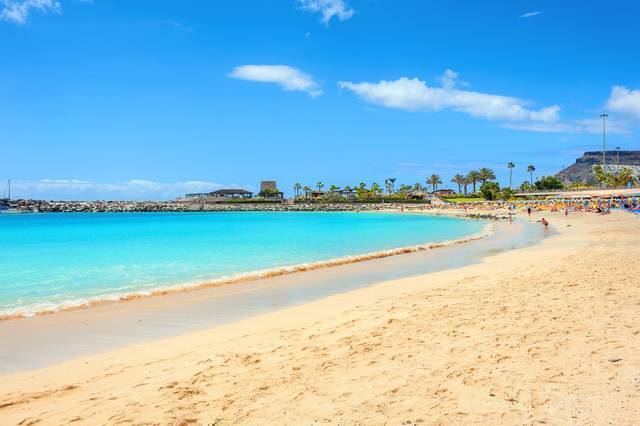
Beaches Gran Canaria: The 15 Best
From tourist classics to wild coves — the best beaches in the south, north and Las Palmas.
Read guide →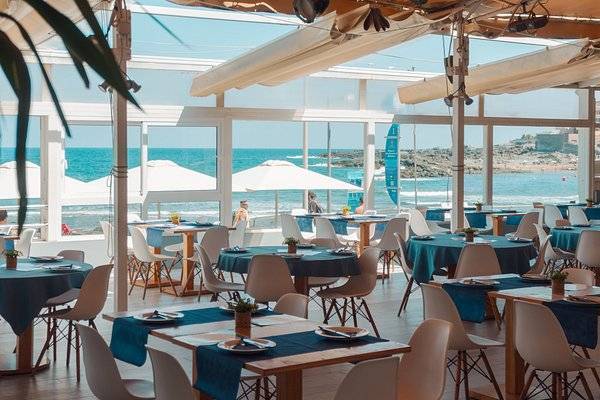
Restaurants & Food: The Complete Guide
Canarian cuisine, markets, guachinches, fish — where to eat well on Gran Canaria.
Read guide →Gran Canaria: the complete travel guide 2026
Gran Canaria is a year-round Canary Island for beach, walking and culture travellers, and its airport counted 15,826,553 passengers in 2025 according to AENA. This travel guide brings together arrival, accommodation, costs, sights, beaches and food.
At a glance
Updated: 16 October 2026 · CITA News editorial team
| Best time to visit | May to October offer the most reliable combination of warmth, little rain and sunshine; according to the Gran Canaria tourist board, the south is generally sunnier and drier than the north. |
|---|---|
| Getting there | Gran Canaria Airport (LPA) is the island's only commercial airport and counted 15,826,553 passengers in 2025 according to AENA. |
| Where to stay | The largest choice of hotels, beaches and nightlife is concentrated in Maspalomas and Playa del Inglés, while San Agustín and Puerto de Mogán are quieter alternatives. |
| Typical costs | The La Fortaleza Visitors Centre in Santa Lucía charges 4 euros admission according to the Cabildo de Gran Canaria (2026), while the Jardín Botánico Canario is free. |
| What to see | Roque Nublo, the Jardín Botánico Canario “Viera y Clavijo” and the Maspalomas dunes are among the island's most important destinations. |
| Food and drink | Typical dishes include papas arrugadas con mojo, sancocho made from stockfish, ropa vieja and the protected cheeses of the DOP Queso de Flor de Guía. |
Topics for this island
When is the best time to visit Gran Canaria?
The driest period runs from May to September. According to the Gran Canaria tourist board, the south and south-east are generally sunnier and drier, while the north and the island's interior receive more cloud and rainfall from north-easterly trade winds.
May to October are best for the most reliable combination of warmth, little rain and sunshine, while December to April suit a cooler winter-sun trip. Calima episodes with Saharan dust can temporarily reduce visibility and make the air feel hotter, especially in the south and east.
How do you get to Gran Canaria?
Gran Canaria Airport (LPA) is the island's only commercial airport and counted 15,826,553 passengers in 2025 according to AENA, an increase of 4 percent compared with 2024. The largest airlines according to AENA are Binter Canarias, Vueling, Ryanair, Iberia Express, Jet2.com, easyJet, Norwegian and Condor.
Fred Olsen Express connects Gran Canaria with Tenerife mainly on the Agaete–Santa Cruz de Tenerife route, and with Fuerteventura via Las Palmas–Morro Jable. Naviera Armas operates services from Las Palmas de Gran Canaria to Santa Cruz de Tenerife, Morro Jable and Arrecife on Lanzarote.
Binter Canarias provides the main flight connection between Gran Canaria and the other Canary Islands. The official Gran Canaria tourism guide also names Transmediterránea as a further ferry operator in the island's transport network.
Where should you stay on Gran Canaria?
The largest choice of hotels, beaches and nightlife is concentrated in Maspalomas and Playa del Inglés, which the Cabildo describes as the island's best-known areas. Meloneras offers more upmarket and quieter accommodation, while San Agustín is regarded by the official tourism portal as a quieter, family-oriented beach base.
Puerto Rico and Amadores are listed by the Cabildo as family destinations with sheltered beaches and water sports, while Puerto de Mogán is a picturesque harbour with a quieter atmosphere. The Cabildo names Pozo Izquierdo and Vargas as important windsurfing and kitesurfing spots, and Las Canteras in Las Palmas as an urban beach with restaurants, culture and surfing opportunities for learners.
For quiet rural accommodation with walking trails and nature, the official tourism material names Tejeda, Artenara, Valleseco and Agaete. These places lie in the mountainous interior or in the north-west respectively, and are suitable starting points for walks.
What sights does Gran Canaria have?
Roque Nublo is the island's best-known summit landmark and lies within the Monumento Natural del Roque Nublo, which is managed by the Cabildo de Gran Canaria. Access is regulated according to the Cabildo.
The Jardín Botánico Canario “Viera y Clavijo” showcases the endemic flora of the Canary Islands and is free according to the Cabildo de Gran Canaria. The official website gives opening times, with last admission one hour before closing.
The La Fortaleza Visitors Centre in Santa Lucía charges 4 euros admission according to the Cabildo de Gran Canaria (2026). Guided archaeological visits require a prior appointment.
What beaches are there on Gran Canaria?
Las Canteras and Las Alcaravaneras in Las Palmas de Gran Canaria offer golden sand, while El Confital is a rocky volcanic shore area and La Laja has black sand. The city guide confirms these sand types and the urban services; swimming is only permitted when the municipal flag allows it and the lifeguards impose no restriction.
In the south lie Maspalomas and Playa del Inglés with extensive golden sand and dunes, plus San Agustín with dark to golden sand and Amadores and Puerto Rico with imported pale sand. The heavily visited resort beaches generally have lifeguards and flag systems; a red flag bans swimming, and the Maspalomas dunes are a protected landscape that may only be crossed on marked paths.
In the north, dark volcanic sand, pebbles and rocky coves dominate, for example in Sardina del Norte, Agaete and San Felipe. The Atlantic swell can change conditions quickly, so the daily flag and lifeguard notices must be observed.
Walking and outdoor activities
The island's official walking network, the Red de Senderos, includes local paths and long-distance trails. The Caldera de Tejeda to Cruz de Tejeda is regarded as a moderate to difficult mountain route with steep sections, while the Barranco de Guayadeque offers moderate barranco walking with heat and flash-flood risk.
Tamadaba and Agaete lead over demanding, rough routes with large differences in altitude. According to the Cabildo de Gran Canaria, no individual permit is generally required for day walks.
Organised activities, camping, bivouacs, filming and access to protected reserves can, however, require authorisation. Camping is only permitted in designated areas and with prior permission.
What do you eat and drink on Gran Canaria?
Typical dishes are papas arrugadas con mojo (wrinkled potatoes with a spicy sauce), sancocho made from stockfish, ropa vieja, carajacas, goat dishes and grilled local fish. Bienmesabe de Tejeda and suspiros de Moya are regarded as desserts, alongside queso de flor.
The most important protected designation of origin is the DOP Queso de Flor de Guía, Queso de Media Flor de Guía and Queso de Guía, administered by the Government of the Canary Islands. The DOP Vino de Gran Canaria covers the whole island.
Wine supervision lies with the Consejo Regulador de la Denominación de Origen Gran Canaria, and the responsible authority is the Instituto Canario de Calidad Agroalimentaria of the Canary Islands Government. The main nightlife areas include Las Canteras and Santa Catalina in Las Palmas, as well as Yumbo Centrum and Kasbah in Playa del Inglés.
Which places on Gran Canaria are worth visiting?
In the north, Arucas combines a historic centre with the church of San Juan Bautista and the rum tradition of the Arehucas distillery. Teror is known for the Basilica of Nuestra Señora del Pino.
In the central highlands, Tejeda stands for Roque Nublo, the Abrahán Cárdenes Museum and the Fiesta del Almendro en Flor in February. Santa Brígida offers a weekly market for local produce, the Casa del Vino and the nearby Bandama volcanic crater with a viewpoint.
In the south, the Maspalomas dunes, the palm grove and the lagoon shape the municipality of San Bartolomé de Tirajana. Puerto de Mogán is officially promoted as “Little Venice” because of its canals, small bridges and sheltered marina.
What defines the culture of Gran Canaria?
The island combines an Amazigh heritage with the Castilian conquest, visible in the Cueva Pintada Museum and Archaeological Park in Gáldar. According to the Cabildo de Gran Canaria, various admission rates apply for 2026.
The La Fortaleza Visitors Centre in Santa Lucía shows a fortified archaeological landscape and charges 4 euros admission according to the Cabildo de Gran Canaria (2026). Guided archaeological visits require an appointment.
In Arucas, the neo-Gothic church stands next to the Ron de Arehucas Rum Factory and Museum. The Cañada de Los Gatos in Mogán is another archaeological destination.
How much does a holiday on Gran Canaria cost?
For arrival, AENA reports a total of 15,826,553 passengers at Gran Canaria Airport in 2025. That corresponds to an increase of 4 percent compared with 2024.
The main source markets according to AENA are Spain, the United Kingdom, Germany, the Netherlands and Norway. Fred Olsen Express connects Agaete with Santa Cruz de Tenerife and Las Palmas with Morro Jable on Fuerteventura.
Naviera Armas operates routes from Las Palmas de Gran Canaria to Santa Cruz de Tenerife, Morro Jable and Arrecife on Lanzarote. These ferry connections complement the Fred Olsen Express services between the islands.
Frequently asked questions
When is the best time to visit Gran Canaria?
May to October are best for warmth, little rain and sunshine. According to the Gran Canaria tourist board, the south and south-east are generally sunnier and drier than the north.
How do you get to Gran Canaria?
Gran Canaria Airport (LPA) counted 15,826,553 passengers in 2025 according to AENA. Ferries from Fred Olsen Express and Naviera Armas connect the island with Tenerife, Fuerteventura and Lanzarote.
Where should you stay on Gran Canaria?
Maspalomas and Playa del Inglés offer the largest choice of hotels, beaches and nightlife. Quieter options are San Agustín, Puerto de Mogán and the rural places Tejeda, Artenara, Valleseco and Agaete.
How much does a holiday on Gran Canaria cost?
Admission to the La Fortaleza Visitors Centre in Santa Lucía is 4 euros according to the Cabildo de Gran Canaria (2026). The Jardín Botánico Canario “Viera y Clavijo” is free according to the Cabildo.
Which sights should you see on Gran Canaria?
Roque Nublo is the island's best-known summit landmark. Also worth seeing are the Jardín Botánico Canario “Viera y Clavijo” and the Maspalomas dunes.
What do you eat on Gran Canaria?
Typical dishes are papas arrugadas con mojo, sancocho made from stockfish and ropa vieja. Queso de Flor de Guía is regarded as a protected speciality with its own designation of origin.
Sources
Guides to the other islands
More on Gran Canaria: News · Events · Relocate · Nightlife · Weather · Beaches & UV · Fuel Prices · Property Prices · Ferries