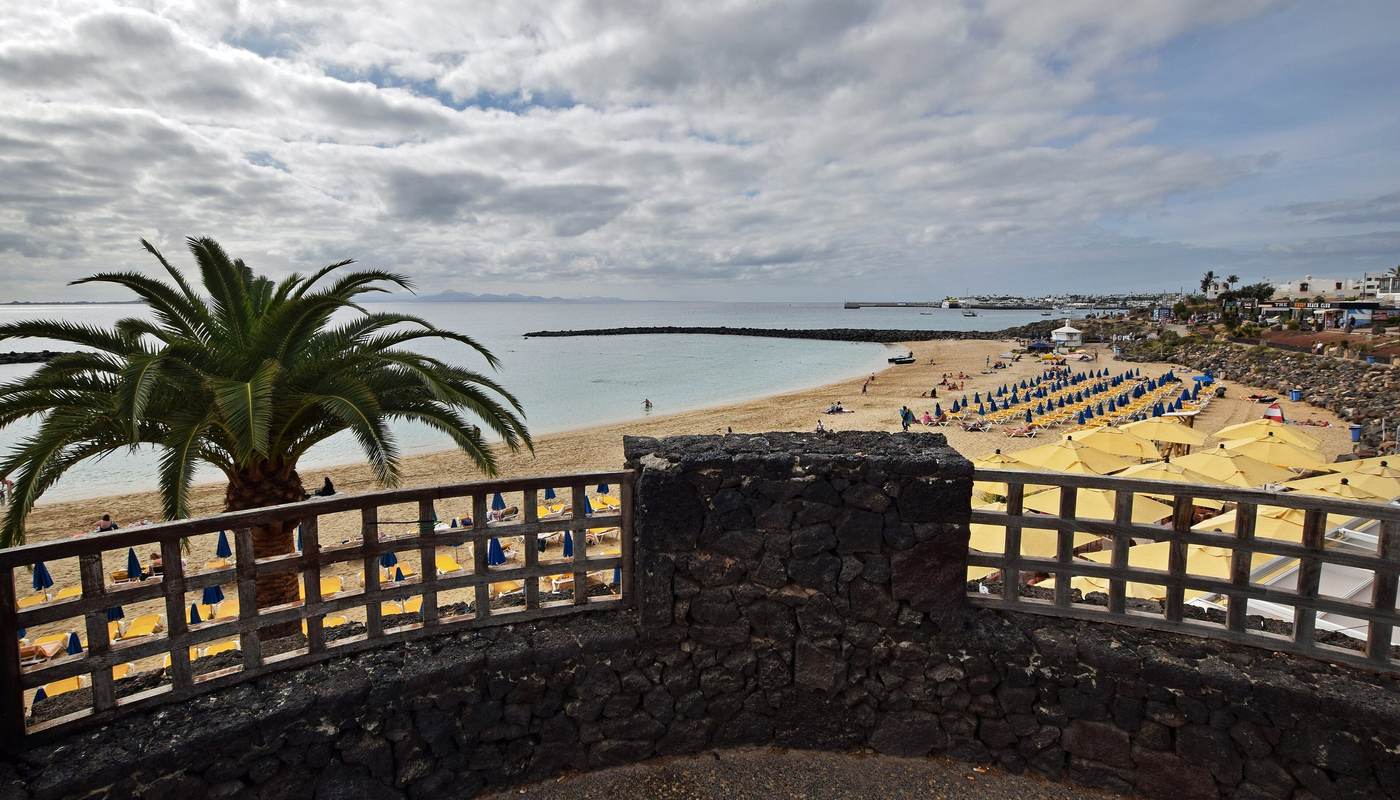
At a glance
Updated: 16 October 2026 · CITA News editorial team
| Best time to visit | April to June and September to November are considered the best months for walking and sightseeing on Tenerife, and according to AEMET the Canary Islands are a year-round destination. |
|---|---|
| Getting there | The easiest way to arrive is by plane, with inter-island flights operated by Binter as well as ferries running between the islands. |
| Where to stay | Tenerife and Gran Canaria are the main ferry hubs, from which Fred Olsen Express offers direct connections to La Gomera, La Palma, Fuerteventura and Lanzarote. |
| Typical costs | Under the published rules, Canary Islands residents are entitled to a state discount of 75 percent on eligible airfares and 50 percent on ferry fares. |
| What to see | The main sights include Teide National Park on Tenerife, the Caldera de Taburiente on La Palma, Garajonay on La Gomera and Timanfaya on Lanzarote. |
| Food and drink | Typical dishes include papas arrugadas with red or green mojo, fresh fish such as vieja and cherne, and cheeses with protected designation of origin. |
Topics across the Canary Islands
The eight islands at a glance
- Gran CanariaGran Canaria has Las Canteras, a large city beach with calm water and services.
- TenerifeTenerife offers wide city beaches, black coves and exposed surf beaches near El Médano.
- LanzaroteLanzarote contrasts black volcanic beaches with white sandy coves such as Papagayo and the surf beach Famara.
- FuerteventuraFuerteventura is defined by long pale sandy beaches and dune coasts near Corralejo, Jandía and Costa Calma.
- La PalmaLa Palma is home to the Caldera de Taburiente National Park.
- La GomeraLa Gomera has walking routes and the Garajonay National Park.
- El HierroEl Hierro is connected by ferry only with Tenerife.
- La GraciosaLa Graciosa remains largely undeveloped with El Salado, La Francesa, La Cocina and Las Conchas.
What are the Canary Islands?
The Canary Islands consist of eight main islands, whose areas are published by the Government of the Canary Islands. The province of Santa Cruz de Tenerife covers Tenerife, La Palma, La Gomera and El Hierro, while Las Palmas covers Gran Canaria, Fuerteventura, Lanzarote and La Graciosa.
Mount Teide on Tenerife is the highest point in Spain according to the Government of the Canary Islands. Four national parks shape the protected-area system: Teide National Park on Tenerife, the Caldera de Taburiente on La Palma, Garajonay on La Gomera and Timanfaya on Lanzarote.
When is the best time to visit the Canary Islands?
The Canary Islands are a year-round destination, but conditions vary considerably by island, altitude and coast. The north and north-east of Tenerife, Gran Canaria, La Palma, La Gomera and El Hierro receive moisture from the north-east trade winds, bringing cloud, drizzle and greener vegetation.
The south and south-west coasts lie in the rain shadow and are generally sunnier, drier and warmer according to AEMET, most markedly on Tenerife and Gran Canaria. A calima brings hot, dry air and Saharan dust, reduces visibility and can irritate the eyes or respiratory tract, and it occurs most often in winter and early spring.
For Tenerife, April to June and September to November are considered the best months for walking and sightseeing. For Gran Canaria, October to May suits exploring while June to September offers dry beach weather, and AEMET calls the Canary Islands a year-round destination.
How do you get between the Canary Islands?
Binter Canarias connects all eight inhabited islands in its flight network, with La Graciosa reached via Lanzarote and the onward ferry. The main ferry hubs are Tenerife and Gran Canaria, from which Fred Olsen Express offers direct connections to La Gomera, La Palma, Fuerteventura and Lanzarote.
There is no direct regular ferry connection, among others, between La Palma and Fuerteventura, La Palma and Lanzarote, La Gomera and Fuerteventura, or La Gomera and Lanzarote. El Hierro is connected by ferry only with Tenerife, and La Graciosa only with Lanzarote.
Under the published rules, Canary Islands residents are entitled to a state discount of 75 percent on eligible airfares and 50 percent on ferry fares. In addition, the regional government sets a bonus of 25 percent on regular inter-island ferry journeys, while the internal La Gomera route San Sebastián–Playa Santiago–Valle Gran Rey receives 75 percent.
What sights do the Canary Islands have?
The eight main islands are home to four national parks: Teide National Park on Tenerife, the Caldera de Taburiente on La Palma, Garajonay on La Gomera and Timanfaya on Lanzarote. Mount Teide is the highest point in Spain according to the Government of the Canary Islands.
For Teide National Park, permission for the Telesforo Bravo trail to the summit is obtained through the official national parks reservation platform. The platform publishes the conditions and fees that apply at any given time.
Which beaches and walks do the Canary Islands offer?
The official tourism portal Hola Islas Canarias describes beaches across the archipelago, from urban and family-friendly stretches to white, golden, red and black volcanic beaches. Tenerife offers wide city beaches, black coves and exposed surf beaches near El Médano, while Gran Canaria has Las Canteras, a large city beach with calm water and services.
Fuerteventura is defined by long pale sandy beaches and dune coasts near Corralejo, Jandía and Costa Calma, which suit windsurfing and kitesurfing. Lanzarote contrasts black volcanic beaches with white sandy coves such as Papagayo and the surf beach Famara, and La Graciosa remains largely undeveloped with El Salado, La Francesa, La Cocina and Las Conchas.
What defines the culture of the Canary Islands?
The indigenous population had island-specific names such as Majos on Lanzarote and Fuerteventura, Guanche on Tenerife and Gomeros on La Gomera. UNESCO lists four World Heritage Sites in the Canary Islands.
The Bien de Interés Cultural listings include San Cristóbal de La Laguna’s historic centre, Vegueta and Triana’s old quarters, Lanzarote’s Castillo de San Gabriel and La Gomera’s Torre del Conde. Lucha canaria is a traditional wrestling sport where the opponent must touch the ground with any body part except the feet.
What do people eat and drink in the Canary Islands?
Typical dishes include papas arrugadas, small wrinkled potatoes boiled in salted water and served with red or green mojo, a sauce that is often mildly spicy. They are accompanied by fresh fish such as vieja and cherne, octopus, gofio-based dishes, ropa vieja, sancocho and meat stews.
Cheeses with protected designation of origin (D.O.P.) are a defining part of the offering, including Queso Majorero, Queso Palmero and Queso de Flor de Guía. The wines carry several D.O. designations of origin, such as Lanzarote, Tacoronte-Acentejo, Valle de la Orotava, Abona, Valle de Güímar, La Palma, El Hierro and Gran Canaria.
The big carnival celebrations and other festivals follow the local calendar of the islands and municipalities. Confirmed dates and programme details are published by the Cabildo, the respective island government, before the season.
Frequently asked questions
When is the best time to visit the Canary Islands?
The Canary Islands are a year-round destination according to AEMET. For Tenerife, April to June and September to November are considered the best months for walking and sightseeing.
How do you get between the Canary Islands?
Binter Canarias connects all eight inhabited islands in its flight network, with La Graciosa reached via Lanzarote and the onward ferry. The main ferry hubs are Tenerife and Gran Canaria.
Which national parks are there in the Canary Islands?
Four national parks shape the protected-area system: Teide National Park on Tenerife, the Caldera de Taburiente on La Palma, Garajonay on La Gomera and Timanfaya on Lanzarote. Mount Teide is the highest point in Spain according to the Government of the Canary Islands.
What should you eat in the Canary Islands?
Typical dishes include papas arrugadas, small wrinkled potatoes boiled in salted water and served with red or green mojo. They are accompanied by fresh fish such as vieja and cherne, as well as cheeses with protected designation of origin.
Which beaches are there in the Canary Islands?
The official tourism portal Hola Islas Canarias describes beaches ranging from urban and family-friendly stretches to white, golden, red and black volcanic beaches. Fuerteventura is defined by long pale sandy beaches and dune coasts near Corralejo, Jandía and Costa Calma.
Do you need a passport for the Canary Islands?
Schengen rules apply for entry. Travellers from the Schengen area can identify themselves with a valid national identity card.