Which dishes belong to La Palma food?
The national tourism portal spain.info names papas arrugadas with mojo as the base of many island dishes. Papas arrugadas are potatoes cooked in salted water until their skins wrinkle, and mojo is a cold sauce. Red mojo suits meat and green mojo suits fish, according to spain.info, so diners usually get potatoes with the sauce that fits the main course.
Spain.info and the island portal visitlapalma.es list conejo en salmorejo (rabbit in salmorejo sauce), cabra en salsa (goat in sauce) and cerdo a la brasa (grilled pork) as typical mains. Spain.info singles out the rabbit in salmorejo as the signature dish. For starters, the portal names chicharrones with gofio and Palmero cheese, plain or grilled with mojo.
Visitlapalma.es also lists gofio escaldado and potaje as typical dishes. Its desserts are rapadura, almendrados, bienmesabe and príncipe Alberto. No further details on the ingredients or preparation of these sweets are available, and none of the sources checked published restaurant prices for individual dishes.
The island awards a quality label for its cuisine, “Saborea La Palma”. According to spain.info, producers of Mojo Palmero say they use peppers and chillies grown on the island. Three museums are devoted to food: the Museo del Plátano (banana), the Museo del Gofio and the Casa del Vino (wine house).
What makes Queso Palmero special?
Queso Palmero is a goat's cheese made only on La Palma, from raw milk of the Palmera goat and with natural kid rennet. It carries an EU protected designation of origin (DOP), and the agriculture ministry MAPA publishes its specification.
Smoking is optional and follows the tradition of each valley. Permitted fuels are almond shells, dried stems of the tunera (prickly pear) and pine wood, known as pinillo. Smoking gives the cheese a banded look, so a pale cheese next to a dark-banded one is not necessarily a different variety, just a different smoking tradition.
The sources show that the island’s original inhabitants already kept livestock. They also show that 16th-century writings describe cheese as important and as an export to the Americas and other Atlantic islands. These details come from MAPA summaries and academic papers, and the original documents were not read.
A figure from 2019 shows the scale of the DOP. According to El Diario and Canarias Ahora, 30 cheese brands were registered, and seven of them won 15 prizes between them. Production volumes are not known. A 2015 study, reported by Interempresas, found DOP producers got 26.3% higher prices for tender, semi-cured and cured cheese, while fresh cheese has no DOP and earned no premium.
The same study found that direct sales to consumers brought about 30.2% more than sales to middlemen. The practical lesson for buyers is that buying from the cheesemaker supports producers most directly. Shoppers who want genuine Queso Palmero DOP should look for the DOP mark. Whether unmarked “Palmero” cheese meets the DOP is an open question, and the sources contain no official warning on it.
Which wines and bananas belong to La Palma food?
The island has its own wine designation of origin, DO Vinos de La Palma. Visitlapalma.es lists 18 wineries and 537 hectares of vines, whereas the regulatory council gave about 485 registered hectares in October 2021. The sources do not explain the gap. The two figures come from different years, so both stand side by side.
Visitlapalma.es describes sweet Malvasía with at least 13% alcohol by volume, which can reach 22%. The portal lists Listán Negro, Albillo Criollo, Malvasía Aromática and Sabro as local grape varieties. Spain.info also mentions “Tea” wines, named after the pine-wood barrels, and notes that Shakespeare praised Malvasía.
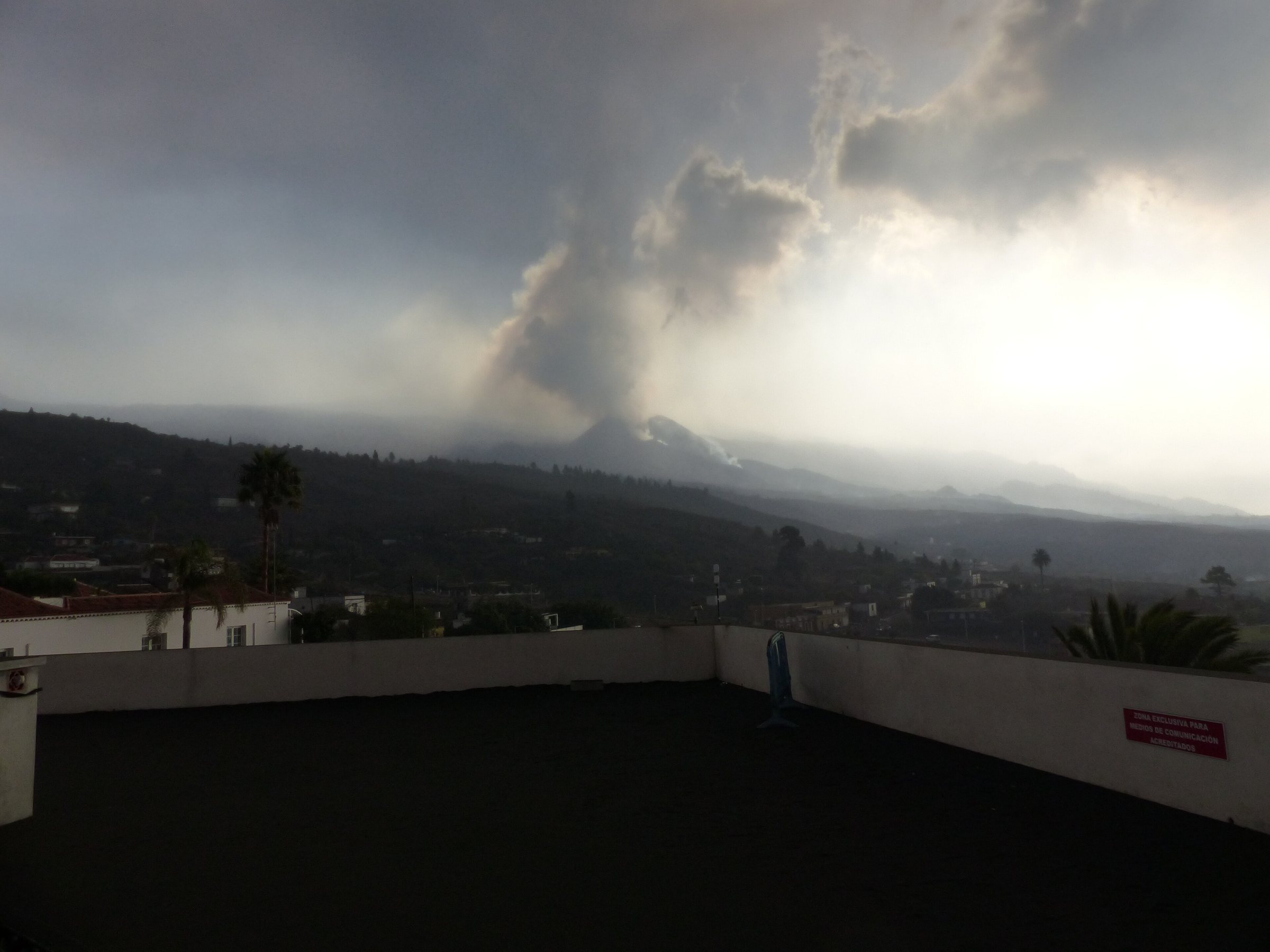
The Tajogaite eruption ran from 19 September to 13 December 2021. According to RTVC on 5 October 2021, 65 hectares of DO vines lay in the lava’s path, 45 of them in El Paso and 20 in Los Llanos de Aridane.
For tastings with DOP cheese, one overview names Bodegas Llanovid, Vega Norte and Llanos Negros. Visitors should check whether these currently receive guests before they go. Visitlapalma.es keeps a directory of wineries and cheesemakers, but prices and opening hours for individual bodegas are not documented.
On bananas, RTVC reports that the lava made 340 hectares of farmland unusable, 217 of them banana plantations. Fruit from ash-affected areas carries a black “del Volcán” label. The source says it looks less attractive but is edible, and the Canary banana has a protected geographical indication (IGP).
Are there guachinches on La Palma, and which rules apply?
A guachinche is a simple eatery where a winegrower serves their own wine. Decreto 83/2013 governs them, according to Diario de Avisos in October 2026. The report deals with Tenerife, but the rules come from a Canary Islands decree. A guachinche may open for four months a year at most and must close once its own wine runs out.
The wine must come from the operator’s own harvest. Only that wine and water may be served, so there is no beer or soft drinks. The menu is limited to three cooked dishes, plus pickles, nuts and regional fruit, and the premises must be in the owner’s home, cellar or farm buildings.
A sign reading “VINO DE COSECHA PROPIA” must hang at the entrance. Operators notify the Cabildo (island government) when they open and close. A text from escapadarural and Diario de Avisos gives the traditional season as November until the end of the grape harvest, then again from April. That is not a primary source.
There is no official list of guachinches for La Palma and no statement from the Cabildo. Individual venues therefore cannot be named, and the sources say nothing about bodegones on the island. Visitors can check the sign and the offer to see whether the rules are followed: few dishes, only the house wine, no branded drinks.
Where are the markets and restaurants on La Palma?
The Mercadillo del Agricultor (farmers’ market) in Los Llanos de Aridane opens on Sundays from 08:00 to 13:00 on Avenida Doctor Fleming, according to the directory mercadillos.org. The Mercadillo de Puntagorda runs on Saturdays and Sundays from 11:00 to 15:00 on Camino del Pinar, with about 40 stalls selling fruit, vegetables, cheese, sweets and crafts. Mercadillos.org is not run by the municipalities, so check the times there.
The Mercadillo de la Villa de Garafía takes place on the first Saturday of the month from 11:00 to 15:00 at the Centro de Promoción Agraria in San Antonio del Monte, according to an eldiario.es extract. The detail comes from a report on a special summer edition. Whether the date applies all year is not documented.
El Jardín de la Sal stands in Las Caletas in Fuencaliente (Carretera La Costa-El Faro 5), next to the old lighthouse and the island’s last sea-salt works. The Michelin Guide gives it a Bib Gourmand (good value for money). The kitchen serves market cuisine with fish such as vieja, medregal or cherna, depending on the catch.
La Placeta in Santa Cruz de La Palma (Pcta. de Borrero 1) received a Solete from the Guía Repsol in summer 2025, with prices under 35 euros. The colonial-era house stands on Plaza Borrero. The menu runs from sandwiches to salmon tartare and beef fillet, with vegetarian and gluten-free options. The cooking is international, not Canarian.
El Sitio in Tazacorte (C. Miguel de Unamuno 11) is listed by the third-party site enprimeurclub with one Repsol Sol and about 30 to 50 euros per person. Confirmation from the Guía Repsol itself is still pending. It also remains unknown how many guachinches the island has and which wine estates welcome visitors. The Cabildo and the regulatory councils would have to publish the data.