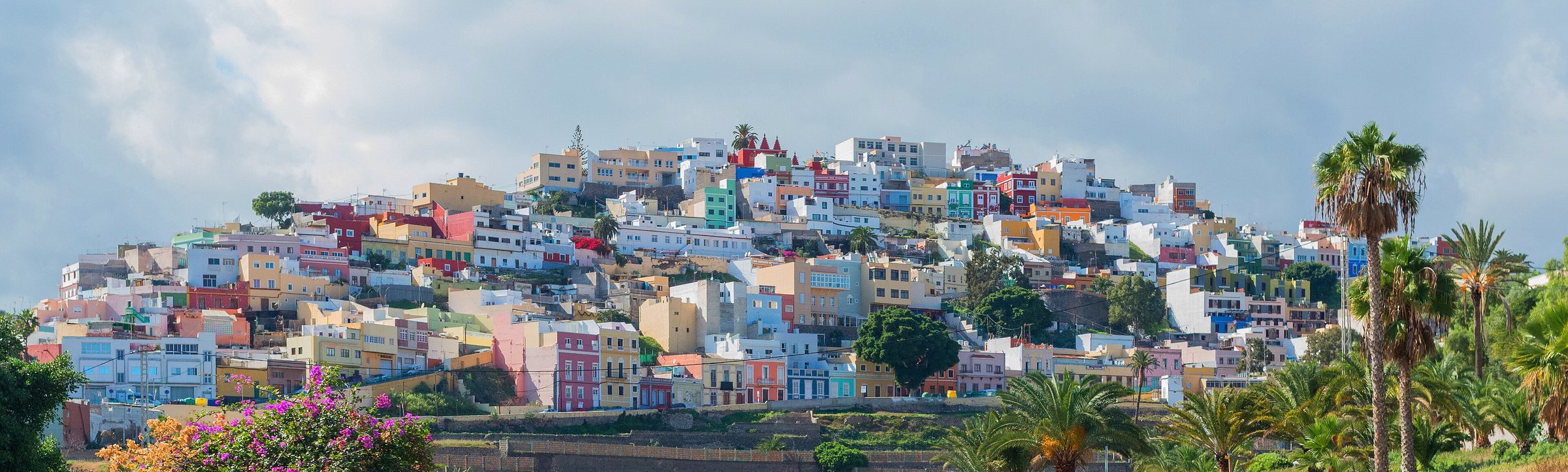
Which restaurants in Las Palmas de Gran Canaria are verified for 2026?
For this guide, two restaurants are backed by sufficient primary data: Verode and Tabaiba. Both appear in the Michelin selection for Las Palmas de Gran Canaria as of 6 October 2026.
Verode is at Calle Lepanto 23, 35010 Las Palmas de Gran Canaria, close to Las Canteras. Michelin classifies the bistro as regional cuisine with fusion elements.
Tabaiba is confirmed by the Michelin overview as a creative restaurant in Las Palmas de Gran Canaria. A full street address is not published in the available sources.
Other Michelin-listed addresses such as Muxgo, Poemas by Hermanos Padrón, El Equilibrista 33, Nákar, Hikari Japanese Roots, El Santo, Deliciosamarta, Rígolo, Qué Leche, Sorondongo and Rêver also appear in the selection. For these, individual visitor information is missing from the available sources.
What makes Verode one of the best restaurants in 2026?
Verode belongs to the circle around Michelin-starred chef Abraham Ortega. Michelin describes the bistro as a contemporary interpretation of regional Canarian cuisine.
The menu is designed for sharing; at the bar and terrace, half portions are available. As a specific example, Michelin names grilled octopus with corn and green mojo.
A price per main course is not published in the source. Booking is advisable, especially in the evening; the source does not confirm a mandatory reservation requirement.
Which districts and markets should you know in Las Palmas de Gran Canaria?
Vegueta and Triana formed the historic core of Las Palmas, which was founded in 1478. Vegueta has a concentration of tascas, bodegones and restaurants that reinterpret island dishes in a modern way.
The Mercado de Vegueta is the oldest municipal market and is suitable for produce, snacks and a visit to the historic centre. The Mercado del Puerto is close to Las Canteras.
The Mercado de Altavista is, according to the city council, a practical option for local meat and fish products at comparatively competitive prices. The Pueblo Canario focuses more on Canarian ingredients and a representative cultural setting.
Las Canteras combines classic beach and port dining; the district's history is closely linked to the growth of tourism.
How does Las Palmas differ from other Canary Islands?
Las Palmas is less exclusively resort-oriented than many coastal towns on Tenerife, Lanzarote or Fuerteventura. The city offers a broader urban range: markets, affordable eateries, international cuisine, port dining, bars and Michelin-recognised options exist side by side.
Gran Canaria also has a particularly strong contrast between the capital and the rural interior. Anyone who only eats in Las Palmas misses products and dishes from mountain regions, fishing villages and farming communities.
Conversely, the capital is the best place to compare several regional cooking styles and international influences in a single day. A top segment emerged, for example, at the Hotel Santa Catalina.
Through trade in the 16th century, people and influences from the Iberian Peninsula, Genoa, Portugal, the Netherlands and northern France came to the city. This cosmopolitan development also shaped the food culture.
What rules and prices apply to restaurant visits?
The available official city sources do not provide a reliable, dated average bill for restaurants. A travel guide should therefore not state a blanket price without updating it in the relevant year.
Prices displayed on site are a reliable guide; guests should also ask about charges for bread, service, terraces or market stalls. The statement about competitive prices relates particularly to the Mercado de Altavista and is a qualitative city description, not a price index.
Consumers are covered by the general Spanish rules on food hygiene, allergen information, prices and receipts. At markets or small eateries, guests should ask specifically about allergens, portion sizes and surcharges; the city sources do not name a uniform tourism-specific special rule for this.
The Mercado del Puerto has been renovated several times and adapted for dining and cultural events.
What should visitors avoid when choosing a restaurant?
A common mistake is to choose only restaurants on the beach promenade and skip Vegueta, Triana or the markets. The city council expressly describes traditional tascas, bodegones and price-oriented markets as part of the offer.
Visitors should not confuse Canarian cuisine with standard Spanish cuisine and should ask specifically about regional specialities. Market dining is not automatically cheap; prices and portion sizes should be compared between stalls.
Historic buildings such as the Mercado del Puerto should not be seen merely as photo opportunities; their current use as dining venues should be appreciated. Going to a highly sought-after top restaurant without a reservation is risky, especially in the Santa Catalina area.
For the other Michelin-listed addresses such as Muxgo, El Santo or Rêver, individual details are missing from the available sources. They should only be visited after checking the respective restaurant website or official social profile.