South or North? The One Question That Decides Everything
Before you even look at a hotel, answer one single question — it decides almost everything: do you want the south or the north?
The south (Maspalomas, Playa del Inglés, Puerto Rico, Mogán) is the classic holiday Gran Canaria: near-guaranteed sun all year, long sandy beaches, resorts, pools, everything geared to tourism. Stay here if you want a beach holiday, warmth and short distances.
The north around the capital Las Palmas is the real, everyday Gran Canaria: a lively city with one of Europe's finest city beaches, great food and Spanish life instead of a tourist strip. The trade-off is slightly more changeable weather with more clouds.
Rule of thumb: pure sun and beach → south. City, culture and authenticity → north. The two are barely an hour's drive apart, so you can sleep in one and visit the other.
Playa del Inglés: Buzz, Beach and Nightlife
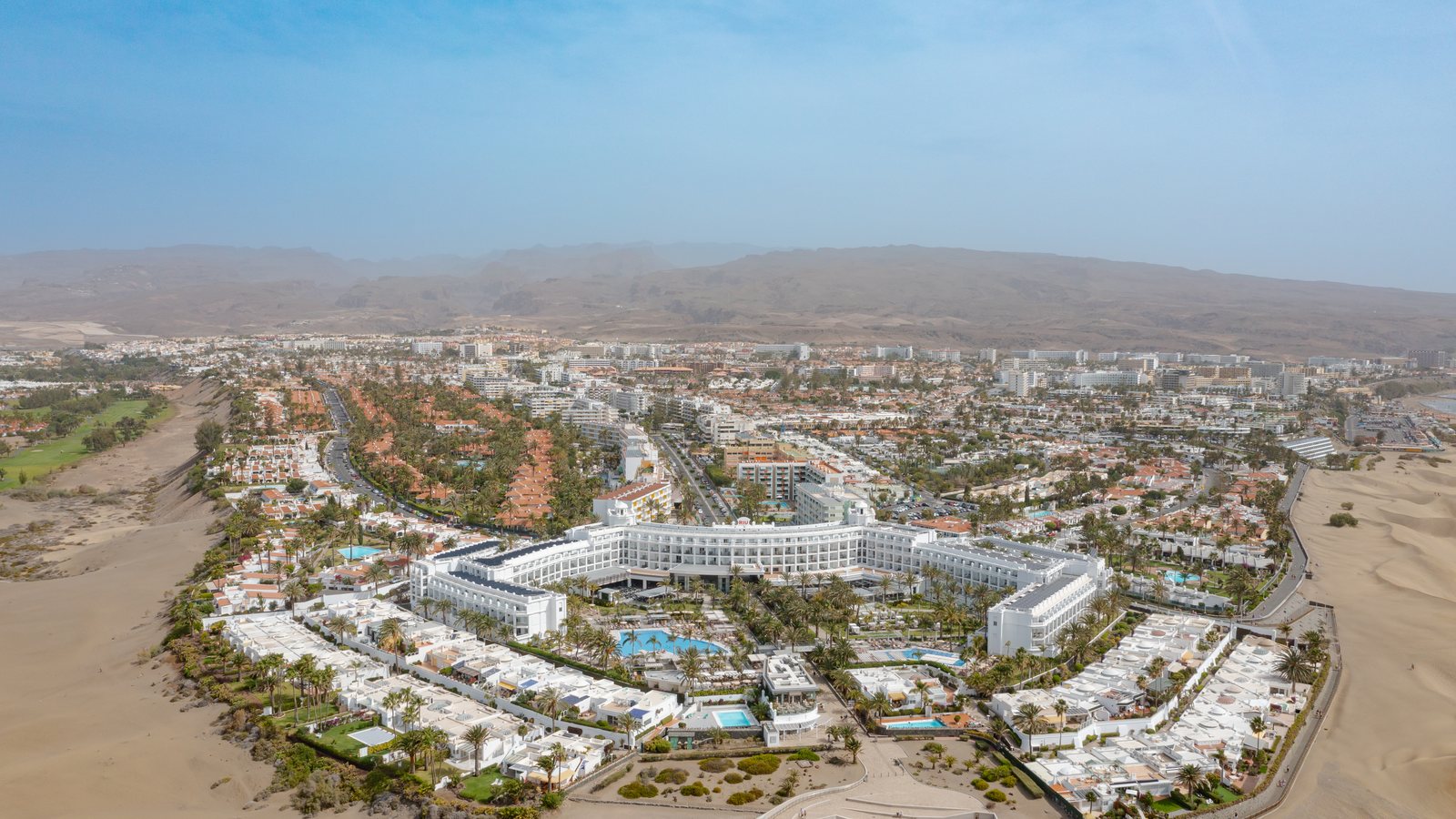
Playa del Inglés is the loudest, liveliest corner of the island — and for many that's exactly why it's right. Hotels, apartments, shopping centres, bars and restaurants sit shoulder to shoulder, and the huge beach flows straight into the Maspalomas dunes.
People come here to do things: nightlife, shopping, entertainment, always something going on. Prices are often lower than in the smarter neighbours next door, and the choice of places to stay is enormous. The LGBTQ+ scene around the Yumbo Centre is at home here too (more in our gay guide).
Who's it for? Young people, groups, couples who like a night out, and anyone who enjoys a buzz. If you're after peace and quiet, look elsewhere.
Maspalomas & Meloneras: Dunes for Families, Elegance for Couples
Right next to Playa del Inglés, but a touch calmer and more polished, lies Maspalomas with its landmark: the golden dunes and the old lighthouse. Generous bungalow complexes and family hotels with gardens and pools set the tone — relaxed, sunny, with plenty of space.
Directly adjoining is Meloneras, the smartest address in the south: modern 4- and 5-star hotels along a pretty seafront promenade with good restaurants and a few boutiques. A bit pricier, a bit more elegant — ideal for couples and anyone who likes comfort without giving up the buzz next door.
Who's it for? Families (Maspalomas) and couples or comfort-seekers (Meloneras). The dunes, several water parks and Palmitos Park are right around the corner.
Puerto Rico, Amadores & Anfi: the Sheltered Family Bays
Head west from the airport and the coast turns rockier, with beaches tucked into sheltered bays. Puerto Rico is the family favourite: a sun-trap bay (statistically even sunnier than the rest of the south), calm water, and a marina full of boat trips, dolphin tours and water sports.
Next door, Amadores has its fine, man-made golden beach — shallow and calm, perfect for little ones. And Anfi del Mar a little further on is the postcard bay with white sand and turquoise water, upscale resort feel included.
Who's it for? Families with children who want calm, safe water and plenty of activities. The catch: these places are built across slopes, so expect the odd flight of steps or a lift.
Puerto de Mogán: the Quiet ‘Little Venice’
Right in the south-west sits the prettiest spot on the island: Puerto de Mogán, an old fishing village with little canals, whitewashed houses, bright flowers and a laid-back marina. Because of the canals and bridges, everyone calls it ‘Little Venice’.
Everything here is a notch slower and more romantic: no big clubs, but cosy waterfront restaurants, a sheltered little beach and the best sunset for miles. On Fridays the big market pulls visitors from all over the island.
Who's it for? Couples, peace-seekers and anyone who values charm over buzz. If you want nightlife, look elsewhere — if you want to switch off, this is it.
Las Palmas & Las Canteras: City, Beach and Real Life
The capital Las Palmas in the north is a completely different experience — and the best one if you want the real Gran Canaria. People live here all year round; there are museums, tapas bars, shopping and the lively old town of Vegueta.
The star is the city beach Playa de las Canteras: a golden arc just over three kilometres long, in the middle of the city and calm as a bathtub thanks to an offshore reef — widely counted among Europe's best urban beaches. Swim in the morning, tapas at midday, a stroll along the promenade in the evening.
Who's it for? City-breakers, solo travellers, foodies, long-stayers and anyone who wants more than a hotel pool. The weather is a little more changeable than the south — but it feels like Spain, not a holiday complex.
The Green North & the Mountains: for Those Who Want More
Away from the big resorts there's a second, green Gran Canaria — and for a couple of nights it's hugely rewarding. In the north-west, Agaete and its pretty harbour Puerto de las Nieves offer natural rock pools, fresh fish, calm — and the ferry to Tenerife leaves from here.
In the island's centre, the mountain village of Tejeda sits around the famous Roque Nublo rock — cooler, greener, star-bright at night. A night or two in a rural finca or small country hotel is the perfect counterpoint to the beach.
Who's it for? Hikers, nature lovers, peace-seekers and anyone who wants to truly understand Gran Canaria. You'll need a rental car up here, though.
Which Area Suits You? The Quick Decision
So you don't have to deliberate for long — here's the short version:
- Party, nightlife, smaller budget: Playa del Inglés.
- Family with kids: Puerto Rico, Anfi/Amadores or Maspalomas.
- Couples, romance, quiet: Puerto de Mogán or Meloneras.
- Luxury & comfort: Meloneras.
- City, culture, real life: Las Palmas / Las Canteras.
- Nature, hiking, switching off: Agaete or Tejeda in the mountains.
- Travelling without a car: the south (all walkable/by bus) or Las Palmas.
And perhaps the best tip to finish: you don't have to pick just one area. Many people combine a few nights of city in the north with a week of beach in the south — the island is small enough for that.
Frequently asked questions
- Where is the best place to stay in Gran Canaria?
- It depends on what you want: the south (Maspalomas, Playa del Inglés, Mogán) for sun and beach, Las Palmas in the north for city and real life. Families love Puerto Rico, couples Puerto de Mogán, party-goers Playa del Inglés.
- South or north — which is better?
- The south has more sun and the classic beaches and resorts; the north has more city life and authenticity. They're only about an hour's drive apart.
- Where's best for families?
- Puerto Rico, Amadores and Anfi del Mar with calm bathing water, plus Maspalomas with dunes and water parks nearby.
- Where's nicest for couples?
- Puerto de Mogán ('Little Venice') for romance and quiet, or Meloneras for upmarket comfort.
- Do I need a car?
- Not necessarily in the south or in Las Palmas — much is walkable or reachable by bus. For the mountains (Tejeda, Roque Nublo) and the green north a rental car is handy.
- When is it cheapest?
- In the low season (early autumn, late spring). Christmas, Easter and high summer are dearest; Meloneras and Anfi are the priciest addresses year-round.
- Which area has the best weather?
- The south, above all Puerto Rico, is known for being especially sun-sure. Las Palmas in the north is a bit cloudier.