What this is about
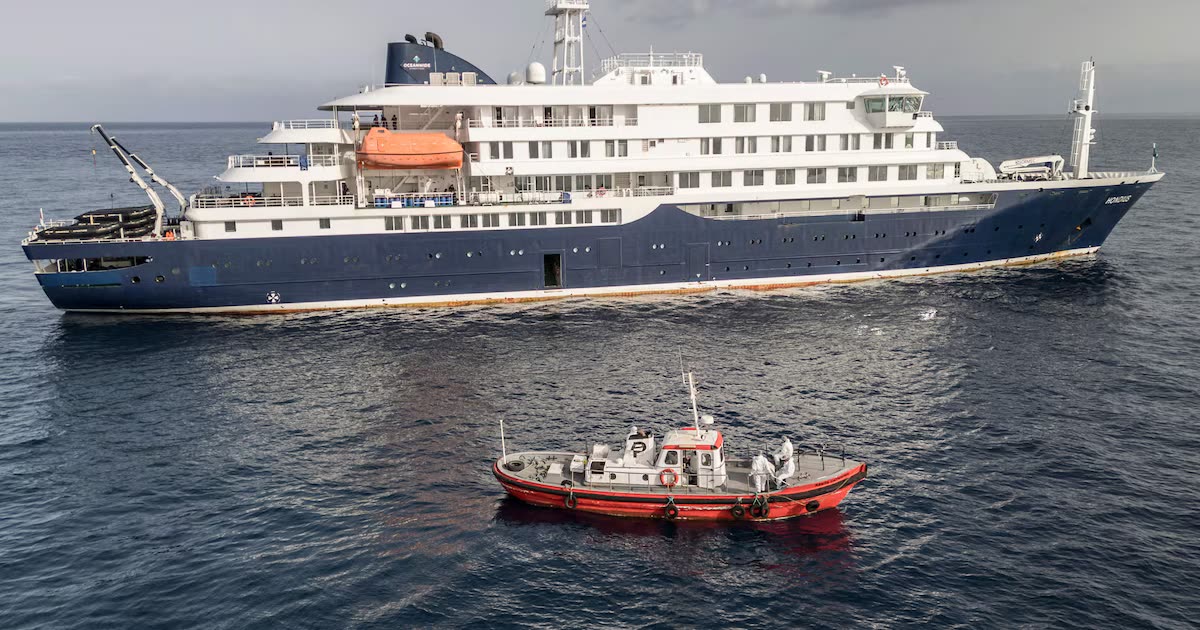
The Dutch expedition ship MV Hondius, operated by Oceanwide Expeditions, was returning from Antarctica and Argentina toward Europe. Three passengers died en route from infection with the Andes strain of hantavirus.
The WHO hypothesis: one passenger had been infected before embarkation during a stay in South America and brought the virus on board. Eight infections are now known, three lab-confirmed — in Swiss, South African and Singaporean hospitals where evacuated passengers are being treated.
Cape Verde refused a port call. At the request of the World Health Organization, the Spanish central government in Madrid agreed on Wednesday to take in the ship.
Today's decision at midday
Canary Islands president Fernando Clavijo had argued for days against a normal port call in Granadilla. His point: La Candelaria hospital has an isolation unit with only a single high-security bed. If several passengers fall seriously ill at the same time, the island would be medically overwhelmed.
At midday Clavijo announced the result of his meeting with health minister Mónica García: the ship stays at anchor, no port call. Tender boats take passengers directly to Tenerife South airport, where aircraft pick them up. Nobody sets foot on Canary soil outside the cordoned-off triage zone at the airport.
Who goes where
The 14 Spanish citizens on board will be flown to the Hospital Central de la Defensa Gómez Ulla in Madrid — the only high-security isolation unit in Spain (UAAN). According to territorial-policy minister Ángel Víctor Torres, quarantine is «mandatory» for as long as medically required.
The remaining passengers — British, Dutch, Canadian, Swiss, US American and others — will be repatriated to their home countries from Monday. The ship's crew continues toward the Netherlands after evacuation.
Why the risk to tourists is low
Hantaviruses are transmitted primarily through contact with the excretions of infected rodents. The Andes strain is a rare exception: according to the WHO, direct human-to-human transmission is documented but «extremely rare» and only with very close contact to severely ill people.
María João Forjaz, president of the Spanish Society of Epidemiology, today publicly confirmed that the risk of spread among the Canary population is very low. Evacuation follows European high-security protocols with separate flight paths, protective suits and full patient isolation up to the hospital.
Tourists will encounter neither the ship nor the evacuation operation.
What changes for tourists
Arriving at Tenerife South: your flight lands as normal. You may see police and ambulances — no need to worry, that is the secured evacuation zone separated from the passenger terminals.
On the other islands: nothing changes. The Hondius is anchored off Tenerife, not off Gran Canaria, Lanzarote or Fuerteventura.
Cruise port days with other ships: other ships dock as normal. The case affects only this single ship. Beach, restaurants, hotels: everything runs as usual.
Frequently asked questions
- Is my beach holiday in the Canaries at risk?
- No. The ship stays at anchor offshore. Nobody sets foot on Canary soil outside a secured evacuation zone at Tenerife South airport. Beaches, restaurants and hotels operate normally.
- Can I be infected by walking near the port of Granadilla?
- No. Hantavirus is transmitted primarily through contact with rodent excretions. Airborne transmission on land is practically impossible. Granadilla is an industrial cargo port, not a tourist promenade.
- When will it all be over?
- The evacuation begins on Monday 11 May 2026, once the ship reaches the area off Granadilla. The operation should be complete by the end of the week.
- Is my flight to Tenerife South affected?
- No. The airport remains open for regular traffic. A separate triage zone is being used for medical evacuation, set apart from the passenger terminals.
- What about cruise port days on the other islands?
- Other cruise ships will dock as scheduled on Gran Canaria, Lanzarote and Fuerteventura. The Hondius case affects only this single ship.