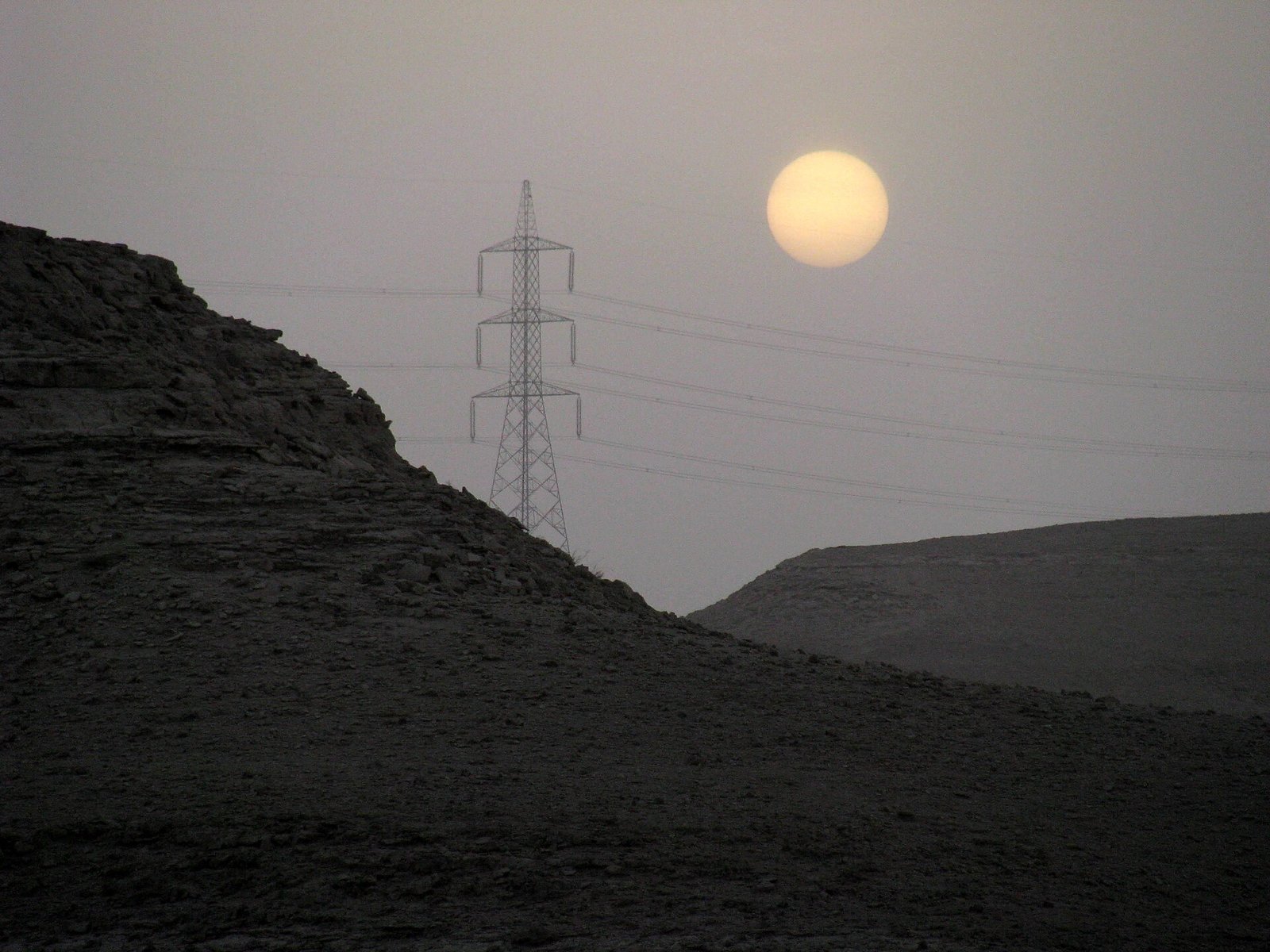
You might have heard whispers about a looming energy crisis in the Canary Islands, perhaps even a specific warning about a big blackout this July. It is a topic that can feel unsettling, especially when you are far from home or settling into a new life under the sun. So, let us talk about it like friends over a coffee: what is actually going on with the power grid, why Gran Canaria keeps getting mentioned, and what you can realistically expect.
The short version is this: the islands' electricity system is under genuine pressure. Official reports do not mince words, describing the situation as "critical" and "fragile." The main culprits are a fleet of ageing, oil-burning power stations that are long past their prime. But, and this is a crucial but, there is no verified official forecast of a catastrophic, prolonged blackout hitting on a specific date. The risk is a slow-burning, structural one, not a sudden, date-stamped emergency. Authorities are very aware and are actively working to shore things up.
Why the Grid is Feeling Its Age
Think of the Canarian power grid as a classic car: charming and functional, but requiring more and more care to keep running smoothly. The system is not one big network but six isolated mini-grids, one for each major island. Only Fuerteventura and Lanzarote share a connection. This means an island like Gran Canaria cannot easily borrow power from a neighbour if a big plant trips offline, making it more vulnerable to shocks.
The numbers behind the "ageing" problem are stark. Around 60% of the archipelago's thermal generation units have exceeded their 25-year design life. Some are over 45 years old. These veteran machines still provide nearly half of the islands' total installed power. Official planning documents project a significant loss of available power by 2028 as these units become increasingly unreliable, with Gran Canaria facing a potential 36% drop. This shrinking safety margin between supply and peak demand is the heart of the concern.
Gran Canaria: A Special Case for Concern
So why does Gran Canaria’s name come up so often? It is a simple equation of high demand, ageing supply, and limited backup. As the second most populous island, it has a huge appetite for electricity, driven by a mix of residents, businesses, and millions of tourists. The thermal generation coverage index, a measure of the supply cushion, has fallen to a moderate 1.6. This means the buffer is thinner than planners would like.
Beyond the big power plants, there are local weaknesses in the high-voltage transport grid. Some municipalities in the north and south have been identified as having a higher risk of supply cuts simply because the wires carrying the power are under strain. Reinforcements around the capital, Las Palmas, are a priority. While the system is currently guaranteeing a continuous supply, the combination of these factors makes Gran Canaria a focal point in every official risk discussion.
Learning from Recent Blackouts
To understand the risk, it helps to look at what has already happened. The Canaries have seen several island-wide "zero energy" events in recent years. In 2019, a technical failure at a substation plunged all of Tenerife into darkness for several hours. In 2023, a fire at La Gomera's only power station left the entire island without electricity, with essential services running on backup generators. La Palma has also faced multiple outages linked to generator issues.
These events share a pattern: a single point of failure—a generator trip, a fire, a substation fault—can cascade into a total blackout on an isolated grid. However, they also show a pattern of recovery. Power is typically restored within minutes to a few hours, not days. Hospitals, airports, and ports have robust backup systems that kick in. These incidents are disruptive and frustrating, but they are not unmanageable catastrophes. They confirm the "fragile" label without pointing to an imminent, unending collapse.
What This Means for Your Daily Life
So, what does a "fragile" grid mean for you, whether you are working remotely from a terrace in Las Palmas or on holiday in Maspalomas? Realistically, it means you should be mentally prepared for the possibility of occasional, temporary power cuts. These could be a brief flicker or an outage lasting a few hours, most likely triggered by a technical fault rather than a simple lack of generation. It is an inconvenience, not a reason to rethink your life plans.
The authorities are not sitting idle. The regional government has declared an "energy emergency" and is fast-tracking emergency generation plants, explicitly to mitigate blackout risk. A second one is underway for Fuerteventura. Red Eléctrica, the grid operator, is investing in energy storage systems to improve stability. The situation is being actively managed. A bit of sensible preparation—a flashlight, some bottled water, a power bank for your phone—is a proportionate and calming response to a known, structural risk.
Common questions
- Is a major blackout guaranteed to happen this summer?
- No. There is no official forecast of a specific, major blackout in mid-July 2026. The risk is structural and ongoing, not tied to a date.
- Which islands are most at risk?
- Official reports consistently highlight Gran Canaria, Tenerife, Lanzarote, and Fuerteventura due to ageing plants and generation deficits.
- How long do blackouts typically last here?
- Based on recent events, most island-wide outages have been resolved within a few hours, with essential services maintained by backup generators.
- What should I do if the power goes out?
- Stay calm. Use a flashlight, not candles. Unplug sensitive electronics to avoid a surge when power returns. Follow local emergency services on social media for updates.
- Is the government doing anything to fix this?
- Yes. The Canary government is deploying emergency generation and pushing for plant renewals. The grid operator is investing in storage and network upgrades.
Read on
- Las Palmas Gran Cabalgata 20 Feb: 7 km, 100,000+ taking partGran Canaria · 14 October
- Vecindario: San Rafael 2026 fiestas with Braulio, GofionesGran Canaria · 14 October
- Hepatitis A at a nursery on Gran Canaria: what happened — and what parents need to knowGran Canaria · 19 June
- Everyone knows RE/MAX. Almost no one reads their contract. You should.Gran Canaria · 28 May
- Maspalomas Winter Pride: 2–8 November 2026Gran Canaria · 12 October
- All events on Gran Canaria →
Stand 15 July 2026. This article reflects the verified official assessments and technical reports available at the time of writing. The situation is dynamic and subject to change.