First papal trip to Spain since 2011 — with the Canaries at the centre
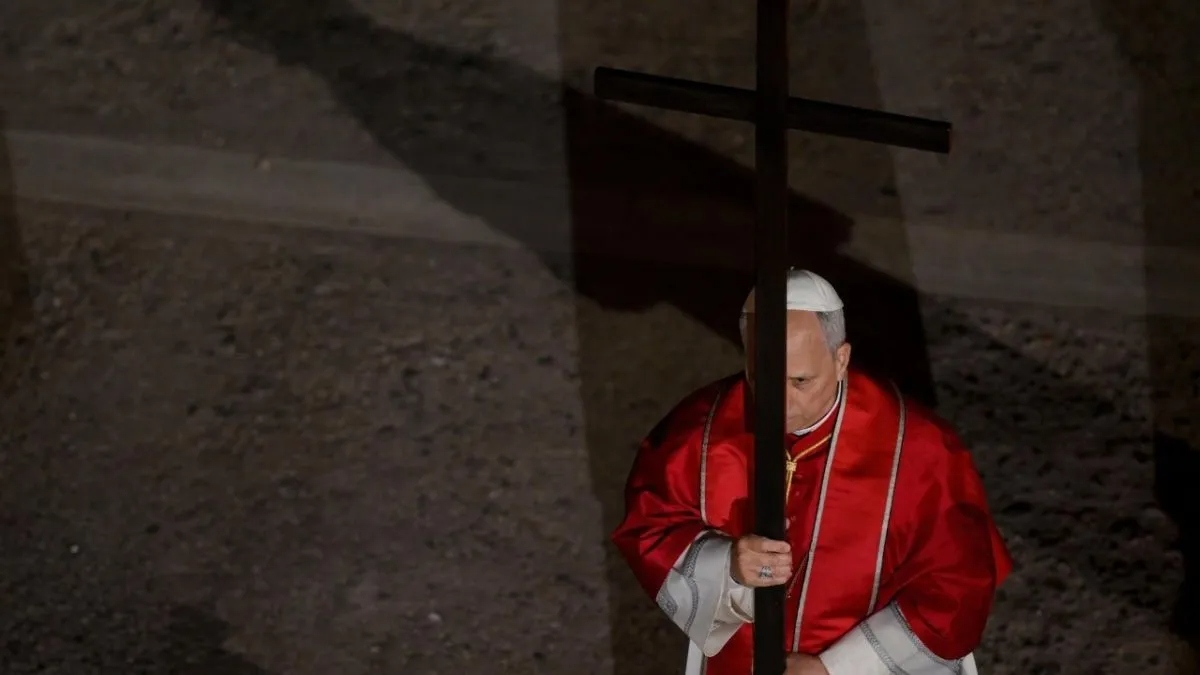
It is the first papal trip to Spain since 2011 — and the Canary Islands are at the centre. Pope León XIV will visit Spain from 6 to 12 June 2026, with stops in Madrid, Barcelona, Gran Canaria and Tenerife. The Vatican confirmed the first concrete programme items this week.
The trip — officially a "Viaje Apostólico" — follows an invitation from King Felipe VI and the Spanish Bishops' Conference. It is León XIV's fourth foreign trip since his election in May 2025, and the first papal visit to the Canary Islands ever.
The Canary leg: Arguineguín, Cathedral, Stadium
On Thursday, 11 June, the Pope will begin his Canary visit in Arguineguín on Gran Canaria. The port in the south of the island became internationally known in 2020 as the "Muelle de la Vergüenza" (Pier of Shame), when over 2,300 migrants camped there in undignified conditions. The diocese proposed this location to the Vatican — and the Pope agreed immediately.
There, León XIV will meet migrants and honour those the Church calls the "Angels of the Ocean": the sea rescuers of Salvamento Marítimo, the Guardia Civil, the Policía Nacional, and the fishing cooperatives who are often first to help when boats arrive on the coast.
The bishop of the Canary Diocese, José Mazuelos, explained that the migration crisis is a central motive for the papal trip to the islands. León XIV is fulfilling an explicit wish of his predecessor Francis, who before his death had expressed a desire to visit the Canary people and recognise their humanitarian work.
After Arguineguín, a visit to Santa Ana Cathedral in Las Palmas de Gran Canaria is planned, together with a Popemobile procession around the cathedral — though this part has not yet been confirmed by the Vatican. Bishop Mazuelos put the probability that the Pope will spend the night in Las Palmas at "90.9 per cent".
The highlight on Gran Canaria will be a Mass at the Estadio de Gran Canaria in Siete Palmas. The diocese is planning for a capacity of 60,000 — if the pitch is released, up to 80,000 could attend. Marian statues from different parishes will be brought to the Mass. Access is by advance registration on the official website conelpapa.es; around 2,000 registrations had already been received by Friday.
On Friday, 12 June, the Pope travels on to Tenerife, where he will celebrate a closing Mass at the port of Santa Cruz de Tenerife for an expected 50,000 people — the finale of the entire Spain trip.
Madrid and Barcelona: Vigil, Corpus Christi, Sagrada Familia
The visit begins on 6 June in Madrid with a large prayer vigil for young people at Plaza de Lima. On 7 June, the feast of Corpus Christi, León XIV will celebrate a Mass at Plaza de Cibeles with a subsequent procession — a historically unique image.
On 10 June, Barcelona is on the programme: the Pope will inaugurate the new, tallest tower of the Sagrada Familia — as part of the centenary of Antoni Gaudí's death.
Programme at a glance
- 6 June: Arrival Madrid, youth vigil at Plaza de Lima
- 7 June: Mass at Plaza de Cibeles, Corpus Christi procession
- 10 June: Barcelona, Mass at the Sagrada Familia, tower inauguration
- 11 June: Gran Canaria — Arguineguín (migrants), Santa Ana Cathedral, Mass at the Estadio de Gran Canaria
- 12 June: Tenerife — closing Mass at the port of Santa Cruz
The anthem: "Alza la mirada"
On 16 April, the official anthem of the papal trip was presented: "Alza la mirada" (Raise Your Gaze). The song was recorded simultaneously on 21 March in four cathedrals — the Almudena in Madrid, the Sagrada Familia in Barcelona, the cathedral of La Laguna on Tenerife, and the cathedral of Gran Canaria. Over 1,700 volunteers sang along.
Musical direction was by Tenerife-born producer Pablo Cebrián. Eleven composers from different areas of Spanish Catholic music were involved, including members of the groups Hakuna and TUYO. Revenue from streaming reproductions will go to the Church's social projects, with a particular focus on the migration crisis in the Canary Islands.
Organisation and financing
The Spanish Bishops' Conference has set up a National Organising Committee, led by coordinator Yago de la Cierva. The visit is not financed by the Spanish state — the costs are borne by the Church, the faithful and sponsors. A patronage system with contributions from 1,000 to one million euros has been set up; the books will be audited and disclosed. Bishop Mazuelos emphasised that the funds "stay here and do not go to the Pope or the diocese".
On the Canaries, 500 additional volunteers are still being sought — of the 1,500 needed, 1,000 have registered so far. Registration for visitors and volunteers is via conelpapa.es.
What the visit means for the Canaries
The auxiliary bishop of the diocese, Cristóbal Déniz, described the visit as "a great gift of promotion for the Canaries" — thousands of visitors and international media attention are expected. At the same time, the aim is that the visit does not just remain a historic event, but "leaves a positive imprint on our coexistence".
All events are public and free, but prior registration is mandatory for security reasons. The final agenda still depends on final confirmation by the Vatican.