Three Days, Nine Meetings, One Pitch
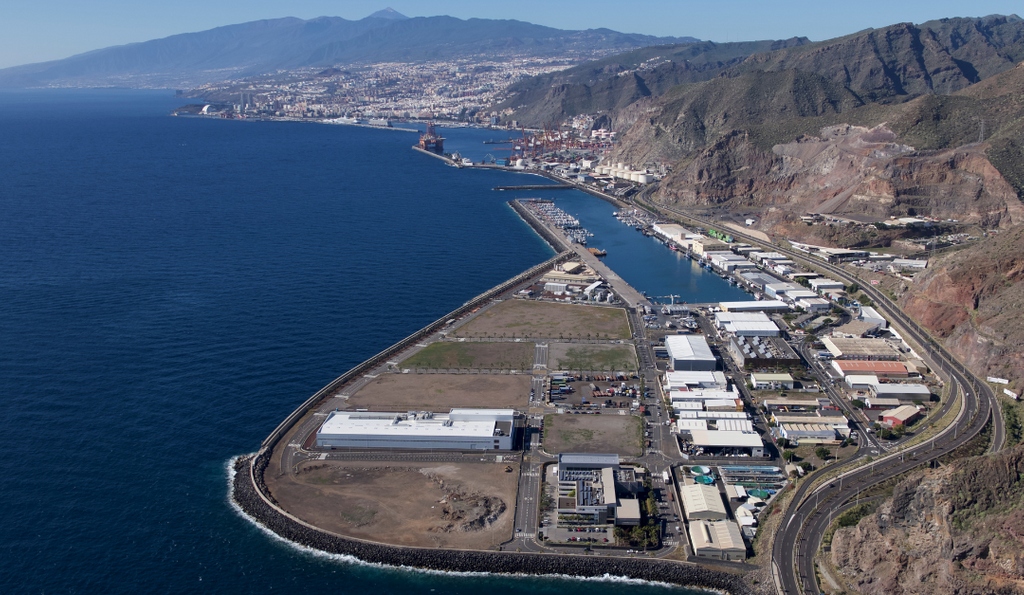
Between 16 and 18 March 2026, a delegation from the Zona Franca de Gran Canaria carried out an intensive programme in Santiago de Chile. The mission formed part of the "Estrategia de Promoción Internacional en América Latina 2025–2026" — an offensive designed to position the archipelago as a tricontinental logistics hub between Latin America, Europe and Africa.
The counterparts read like a who's who of the Chilean economy: the Confederación de la Producción y el Comercio (CPC), SOFOFA (the country's largest industrial association), the Cámara Nacional de Comercio, the Asociación Logística de Chile (ALOG), Frutas de Chile, the Sistema de Empresas Públicas (SEP), ProChile, the Cámara de Comercio de Santiago and ChileAlimentos.
What the Canaries Offer Chile
- Geographic bridge: The Canaries sit halfway between South America and African and European markets — a position that can reduce logistics costs
- ZEC tax regime: The Zona Especial Canaria offers a corporate tax rate of just 4% — one of the lowest in the EU
- Customs exemptions: Companies in the free trade zone benefit from duty-free status, flexible import regulations and direct access to the EU single market
- REF incentives: The Canarian special economic regime (REF) provides additional investment incentives such as the Reserva para Inversiones en Canarias (RIC)
Chile's Interest: Reaching Africa via the Canaries
According to the Zona Franca, the mission produced concrete results. Chilean counterparts showed particular interest in using the Canaries as an access platform to African and European markets. Specific opportunities identified include: incorporating the Canaries into future Chilean trade missions to Spain, coordinating joint actions with logistics and agro-export associations, and exploring collaboration in technology, food and aquaculture sectors.
For Chile, Africa represents a growing export market — the continent is projected by the UN to reach nearly 2.5 billion inhabitants by 2050, with a rising middle class. The Canaries offer themselves as a logistical hub: 100 kilometres from the African coast, but with full EU infrastructure, European legal frameworks and direct trade routes in both directions.
The Strategic Context: Canarias as an Atlantic Hub
The Chile mission is not an isolated initiative. It fits into a broader strategy the Canarian government is pursuing under the "Marca Canarias" brand. In early 2026, the Consejo Regional de Internacionalización (CRI) updated the islands' foreign trade roadmap in Lanzarote — with priorities on African expansion and a new umbrella brand for the archipelago.
On 2 March, Canarian President Fernando Clavijo presented the first official "Estrategia Canarias-África" — a document positioning the archipelago as a hub for transport, health, education, port management and the digital economy on the African continent. Proexca, the regional economic development agency, coordinates both tracks: the Zona Franca's Latin American offensive and the government's Africa strategy.
The Gran Canaria Free Trade Zone had already undertaken a similar approach to Colombia and Peru in 2024. At a meeting in Madrid with ambassadors from Chile, Colombia, Ecuador, Panama, Peru and the Mexican-Spanish business chamber, Delegate Gabriel Corujo presented the Canaries as a strategic investment platform.
What This Means for Businesses
For Chilean companies — particularly in the salmon industry, fruit exports and the technology sector — the Canaries offer a concrete proposition: a fiscally highly attractive EU jurisdiction with physical proximity to Africa and established logistics to Europe. The ZEC allows companies meeting certain investment and employment requirements to reduce their tax burden by up to 90 per cent.
Aquaculture is a particularly promising field. Chile is the world's second-largest salmon producer. The Canaries possess research infrastructure in marine biotechnology — including at the Instituto Tecnológico de Canarias (ITC) and the Plataforma Oceánica de Canarias (PLOCAN). Collaboration in this sector could prove strategically valuable for both sides.
The Zona Franca announced it would continue to develop the contacts established during the Chile mission and further position the archipelago as a gateway to global markets.