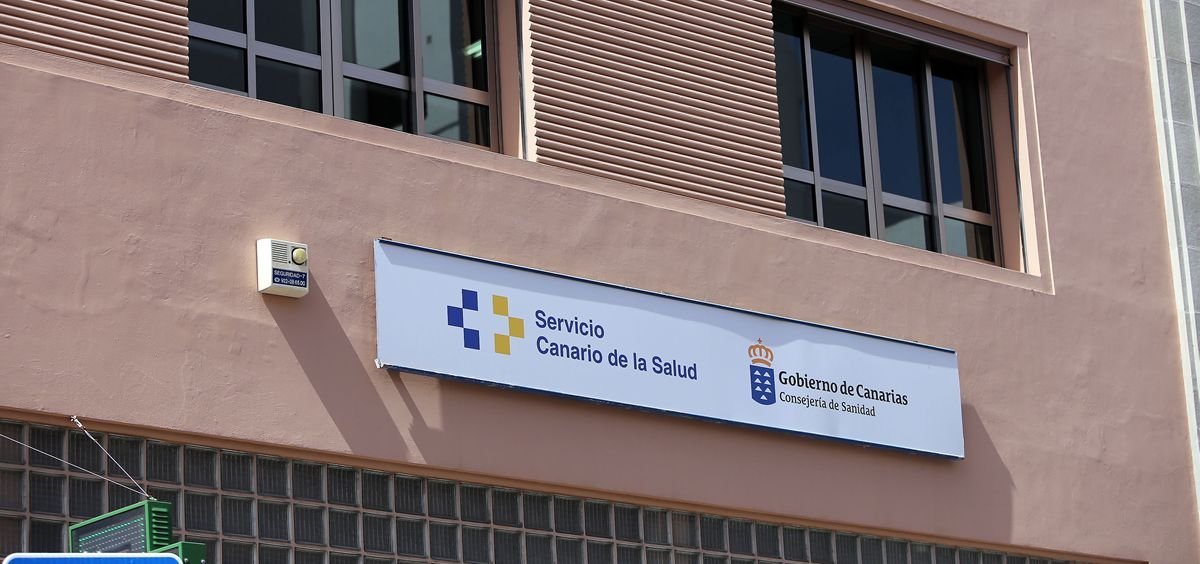
Public system: Sistema Nacional de Salud (SNS), managed by the Servicio Canario de la Salud (Gobierno de Canarias)
Access: Tarjeta Sanitaria — requires Empadronamiento + NIE + social security contributions
Convenio Especial: ~€60/month (under 65), ~€157/month (over 65) for those not eligible
Private insurance: From €50–150/month, mandatory for many visa types
Emergency: 112 (general), 061 (medical) — treatment for everyone regardless of status
The public system: SNS
Spain has one of the best public healthcare systems in the world — the WHO ranks it 7th globally. In the Canary Islands, it's managed by the Servicio Canario de la Salud (Gobierno de Canarias). Anyone living in Spain and paying social security contributions is entitled to free medical care — including spouses and children.
| Insurer | Est. Monthly Cost (adult) | Network in Gran Canaria | English-language service |
|---|---|---|---|
| Sanitas | €60–€130 | Yes (own clinics + partners) | Yes |
| Adeslas | €50–€120 | Yes (wide partner network) | Partial |
| Asisa | €55–€125 | Yes | Partial |
| DKV | €60–€140 | Yes | Yes |
| Mapfre Salud | €50–€110 | Yes | Partial |
The first step is getting your Tarjeta Sanitaria, the Spanish health card. You need three things: an Empadronamiento (address registration), a NIE number and proof that you're paying social security. Take these documents to your local Centro de Salud and register.
EU citizens with a European Health Insurance Card (EHIC) can access the public system during temporary stays. For long-term residence, you should register properly.
Who doesn't qualify?
Not everyone automatically gets access to the public system. If you don't pay social security contributions — such as retirees without a Spanish pension, unregistered freelancers or digital nomads — you need either private insurance or the Convenio Especial.
The Convenio Especial is a government pay-in scheme: around €60 per month for those under 65 and approximately €157 for those over 65. It gives you access to the public system without paying social security. Apply through the Instituto Nacional de la Seguridad Social (Seguridad Social).
Private health insurance
More than 25 percent of Spanish residents have private supplementary insurance — and for many expats it's mandatory. Anyone applying for a Non-Lucrative Visa, Golden Visa, Student Visa or Digital Nomad Visa must show private insurance with no co-payments (sin copagos).
The main providers in Gran Canaria are Sanitas (Bupa subsidiary, English-language service), Adeslas (largest network), Cigna, DKV and Asisa. Costs range from €50 to €150 per month depending on age and coverage. For over 70s it can be significantly more — up to €250 monthly.
Private advantages: Shorter waiting times, choose your own doctor, English-speaking staff, dental included
Public advantages: Free (with social security), all pre-existing conditions covered, no age limit
For visas: Insurance must be sin copagos, cover pre-existing conditions, valid for entire stay
Hospitals in Gran Canaria
Gran Canaria has two major public hospitals: the Hospital Universitario de Gran Canaria Doctor Negrín (Gobierno de Canarias) and the Hospital Universitario Insular de Gran Canaria, both in Las Palmas. There's also the Hospital Universitario Materno-Infantil for children and maternity.
Centro de Salud: Your GP
Primary care runs through the Centros de Salud — health centres spread across the island. Everyone is assigned one based on their registered address. Here you get your GP (médico de cabecera), vaccinations, prescriptions and referrals to specialists.
In the south, where many expats live, there are Centros de Salud in Maspalomas, Playa del Inglés, San Fernando, Arguineguín and Puerto de Mogán. In Las Palmas the largest are in Guanarteme, Schamann and Miller Bajo. If you're still looking for accommodation, check the latest property prices in Gran Canaria.
Pharmacies and medication
Farmacias (pharmacies) are everywhere on the island — look for the green cross sign. Many medications that require a prescription in the UK or US are available over the counter in Spain. Prescription medication through the public system is subsidised — workers pay 40 percent, pensioners 10 percent.
Dental care is not covered by the public system and must be paid out of pocket or through supplementary insurance.
Emergency: What to do
In an emergency, call 112 — that's the general emergency number. 061 is specifically for medical emergencies. Important: everyone is treated in A&E regardless of insurance status or residence permit. The bill comes later.
The main hospitals in Las Palmas have 24/7 A&E departments. In the south, Hospital San Roque Meloneras is the nearest option. Those who regularly travel between islands can use the inter-island ferry connections to reach specialists in Tenerife.
Checklist: What do you need?
For Tarjeta Sanitaria: Empadronamiento + NIE + social security proof → go to Centro de Salud
For Convenio Especial: NIE + Empadronamiento + apply at INSS → ~€60/month
For visa: Private insurance sin copagos + pre-existing conditions covered + full stay duration
EU citizens short-term: EHIC card (apply before you travel!) → access to public system
Emergency: 112 or 061 → treatment for everyone