The basis: the new Law 3/2026 on island councils (published in the BOC on 16 June, in force since 30 June)
What is special: for the first time the eighth inhabited island appears by name in an institution — a precedent
The limit: administratively nothing changes for now — La Graciosa remains part of the municipality of Teguise and has no council of its own
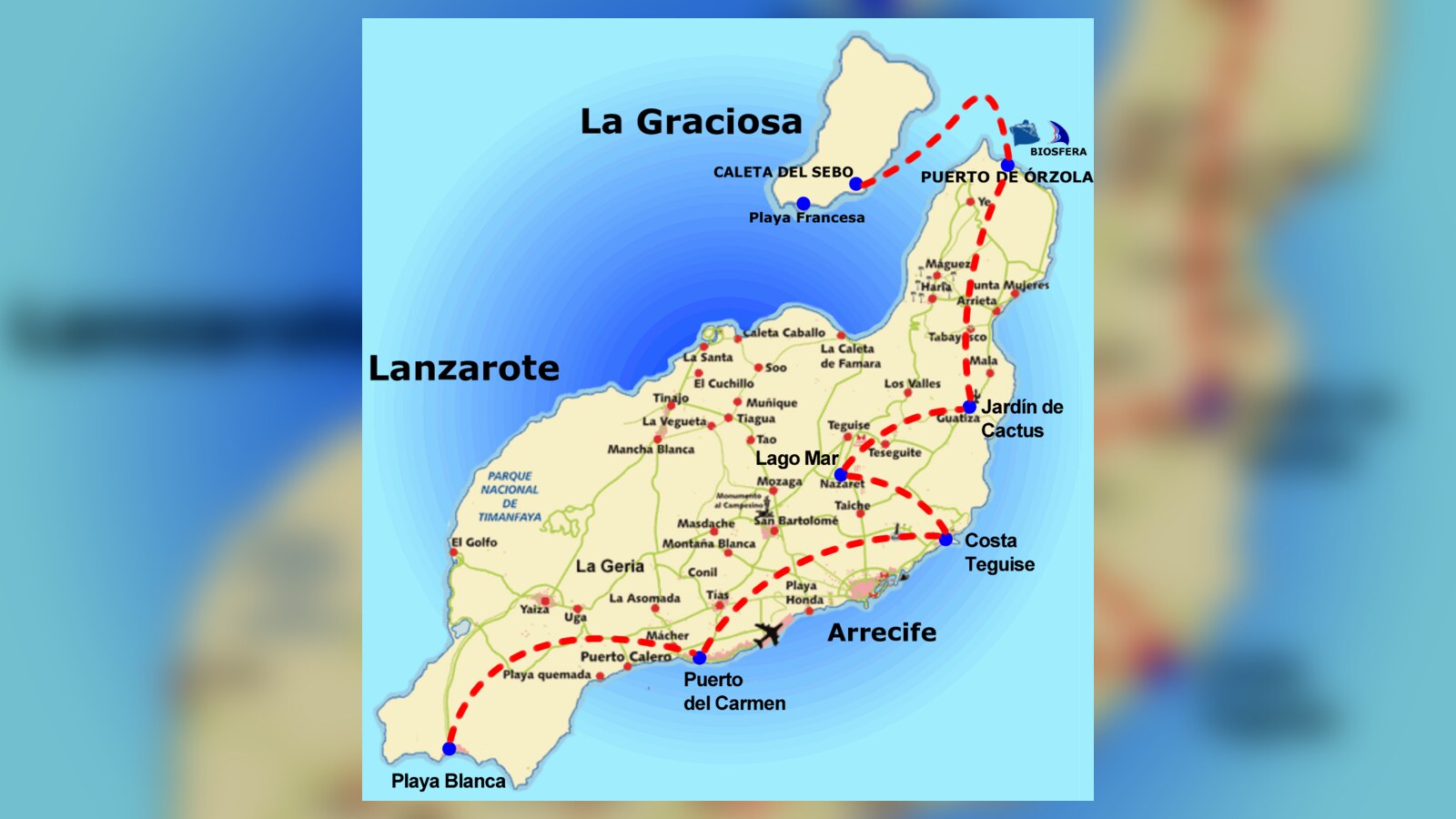
The island: around 700 inhabitants, about 29 km², main town Caleta de Sebo, part of the Chinijo archipelago
Sources: Cabildo de Lanzarote y La Graciosa, Boletín Oficial de Canarias, eldiario.es/Canarias Ahora
Let's start with what actually happened. With the new law on island councils coming into force on 30 June, the institution was officially renamed.
The change is anchored in the law's fourth additional provision. It is justified by the recognition of La Graciosa as an inhabited island in the Canaries' Statute of Autonomy.
Island president Oswaldo Betancort called it an important day for the institution and for the citizens of both islands. The new name, he said in essence, makes this reality visible and does justice to the role La Graciosa plays in the island administration.
A milestone — with clear limits
As welcome as the symbolic step is, nothing changes in everyday life on La Graciosa for now. The island remains administratively part of the municipality of Teguise and gets no council of its own.
The new law recognises Caleta de Sebo as the "administrative capital" within the council's structure. But that does not come with a political governing body of its own — such as the other islands have.
At the same time, Teguise's plenary rejected a proposal to reinstate a dedicated district councillor ("concejal delegado") for the eighth island. Administration therefore stays centralised with Teguise.
The step is thus above all about identity and history. It makes visible what has applied since 2018, without changing the balance of power.
Why it matters for La Graciosa
La Graciosa has fought for recognition for decades. In 2013, more than 4,000 signatures for greater self-determination went to the island council.
On 26 June 2018 the Spanish Senate recognised the island as the eighth inhabited Canary island — before that it counted only as an "islote". The current name change is the next, visible step in this long story.
Frequently asked questions
- What is the island council called now?
- Officially the "Cabildo Insular de Lanzarote y La Graciosa", since 30 June 2026.
- Does La Graciosa now get its own council?
- No. The island remains part of the municipality of Teguise and has no council of its own. The change is symbolic and about identity.
- Since when is La Graciosa the eighth island?
- Since 26 June 2018, when the Spanish Senate recognised it as the eighth inhabited Canary island.
- How many people live there?
- Around 700 (734 in 2024), almost all in the main town Caleta de Sebo. It is the most sparsely populated of the eight inhabited islands.
- How do you get there?
- By ferry, usually from Órzola (northern Lanzarote) to Caleta de Sebo. There are no asphalt roads on the island.
Read on
- Teguise Christmas market 3-8 December 2026: 35 stallsLanzarote · 14 November
- Puerto del Rosario: El Romanticismo concert, 16 NovemberFuerteventura · 14 November
- Canary strike 11 Nov: Titsa ran 75%, no new date setTenerife · 14 November
- La Palma LP-2 road closure: lava stretch shut until 2027La Palma · 14 November
- Tenerife: Handel organ concert on 13 December, 15 eurosTenerife · 14 November
- All events on La Graciosa →
As of 01/07/2026. Sources include the Cabildo de Lanzarote y La Graciosa, the Boletín Oficial de Canarias (Law 3/2026) and eldiario.es/Canarias Ahora. Population figures per official data (2024). This article is general information. Illustration.