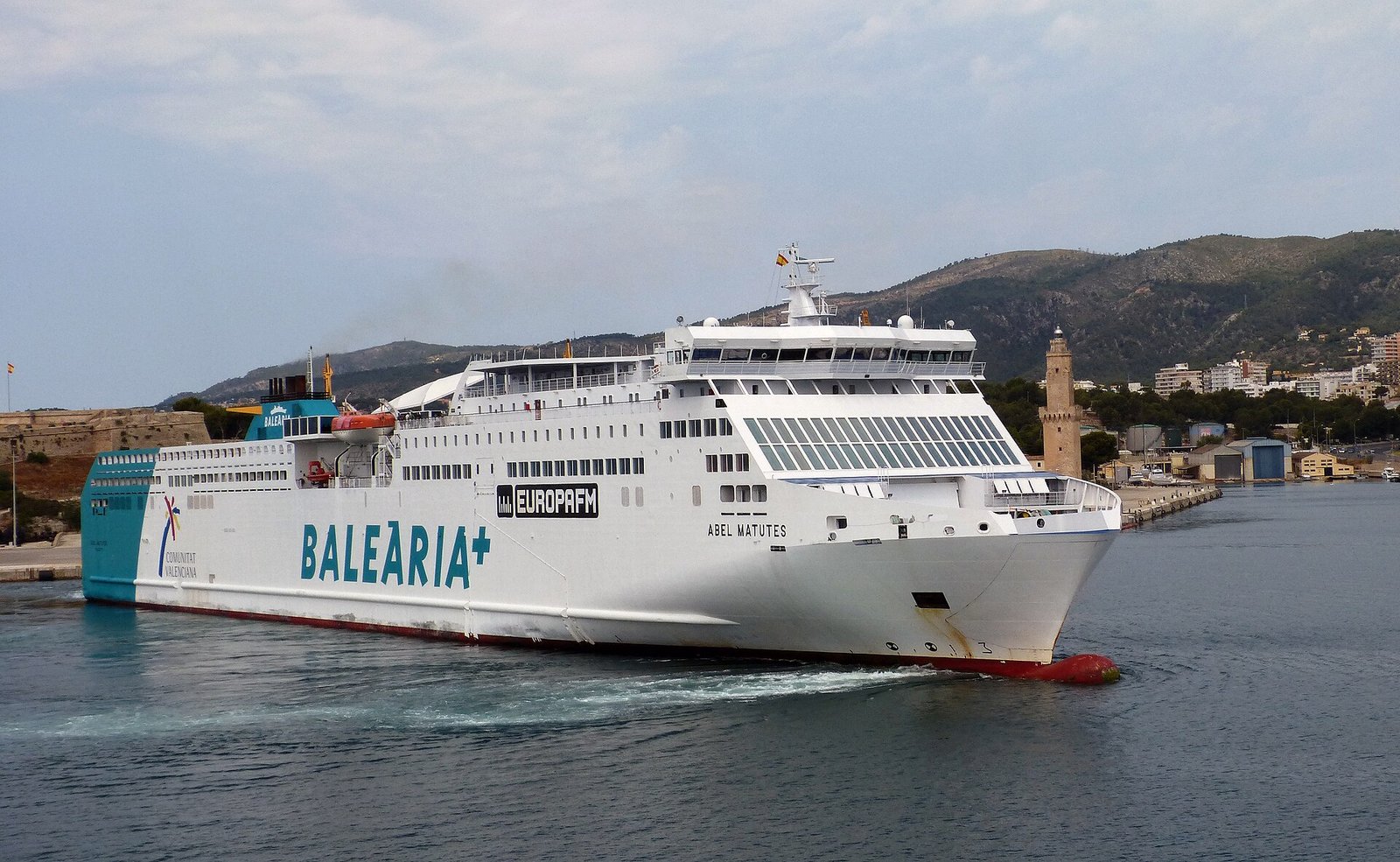
If you live on Fuerteventura or regularly ship goods to the island, a quiet but significant change is about to hit your travel plans. From 30 June 2026, the familiar weekly ferry that glides into Puerto del Rosario from Cádiz will no longer call at the island. The operator, Naviera Armas Trasmediterránea—now part of the Baleària group—has confirmed it is dropping the stop, leaving Fuerteventura without its only direct maritime link to the Spanish mainland.
This is not a temporary glitch or a seasonal adjustment. It is a commercial decision that coincides with the expiry of the current public service contract, known as an Obligación de Servicio Público, or OSP. While the ship will still sail from Cádiz to Arrecife in Lanzarote, Fuerteventura is being left off the itinerary. For an island that relies heavily on this connection for everything from fresh produce to family visits, the news has landed like a storm swell in the port.
What exactly is happening with the route?
The Cádiz–Canarias OSP line is a long-haul maritime corridor that has, for years, stitched the archipelago to the Iberian Peninsula. Operated by Naviera Armas Trasmediterránea, the weekly rotation typically calls at Santa Cruz de Tenerife, Las Palmas de Gran Canaria, Arrecife in Lanzarote, Puerto del Rosario in Fuerteventura, and Santa Cruz de La Palma. It is a floating bridge for trucks, cars, trailers, and passengers who prefer the rhythm of the sea to a three-hour flight.
The current OSP contract, approved in 2022, expires on 30 June. It is already in a legal extension and cannot be renewed under its existing terms. The Spanish Ministry of Transport, through the Dirección General de la Marina Mercante, is drafting a new tender and intends to publish it “as soon as possible.” But in the meantime, Baleària’s president, Adolfo Utor, has publicly stated that the connection to Puerto del Rosario will disappear from the end of June. The Cádiz–Arrecife trunk route will continue, but Fuerteventura’s direct call is being cut.
Why this matters for Fuerteventura
To understand the concern, you have to picture the map. For Fuerteventura, the Cádiz–Puerto del Rosario line is not just one option among many—it is the only direct ferry route from the Spanish mainland currently available. Without it, freight that once rolled off the ship and straight onto the island’s roads must now be re-routed. Goods will likely travel to Arrecife or Las Palmas and then be transshipped via inter-island services, adding cost, time, and complexity to supply chains that local businesses depend on.
For passengers, the change is equally tangible. Instead of boarding a single ferry in Cádiz and waking up in Fuerteventura roughly 30 hours later, travellers will face an intermodal puzzle. Utor himself described the replacement option: a combination of bus, or “guagua,” from Corralejo to Playa Blanca, followed by a ferry to Arrecife, and then the long-haul sailing from there. It is a workaround, not a solution, and it chips away at the ease of connection that residents have long taken for granted.
Who is fighting to keep the link alive?
The decision has not gone unnoticed in the halls of Canarian politics. Regional press reports that the Canary Islands Government and the island cabildos are making their voices heard in Madrid. Their demand is clear and simple: the Cádiz–Canarias maritime link must be guaranteed as an obligatory public service, and the new OSP contract must explicitly include the call at Puerto del Rosario. They argue that leaving such a vital connection to commercial discretion undermines territorial cohesion and hits the eastern islands—Lanzarote, Fuerteventura, and La Palma—hardest, as these have fewer alternative long-distance freight options than Tenerife or Gran Canaria.
The Ministry of Transport acknowledges the need for a new OSP regime and says a tender is being prepared. But the detailed wording of that tender is not yet public, and the political push from the Canaries is precisely about shaping it before the ink dries. The fear is that if Fuerteventura is not named as an obligatory stop, the temporary cut could become permanent.
The confusing state of play right now
Here is where the situation gets a little murky. While Baleària has announced the suppression of the Puerto del Rosario call from 30 June, the Ministry has more recently approved an extension for Armas Trasmediterránea to keep operating the Cádiz–Canarias OSP line for one more year, until 30 June 2026. That extension explicitly lists Fuerteventura among the islands served, with the ferry “Ciudad de Valencia” as the primary vessel and “Volcán de Tinamar” as support.
So, officially, the OSP framework still contemplates Fuerteventura as part of the service. Commercially, however, the operator plans to drop the direct call. This discrepancy means the exact schedules and intermediate stops after 30 June are not fully harmonised between public announcements and company planning. Final implementation will likely depend on the detailed terms of the new OSP tender and any subsequent negotiations between Madrid, the operator, and the Canarian authorities.
Common questions
- Is the Cádiz–Canarias ferry being cancelled completely?
- No, the Cádiz–Arrecife trunk route continues. Only the direct call at Puerto del Rosario in Fuerteventura is being cut from 30 June 2026.
- What is the alternative for travelling from Cádiz to Fuerteventura?
- Passengers will need to take a bus from Corralejo to Playa Blanca, then a ferry to Arrecife, and board the Cádiz ship there. It is an intermodal journey rather than a direct sailing.
- Why is this route so important for Fuerteventura?
- It is currently the island’s only direct ferry link to mainland Spain. Losing it affects both freight deliveries and passenger mobility, forcing longer, more expensive routings.
- Who decides whether the route becomes an obligatory public service?
- The Spanish Ministry of Transport, through the Dirección General de la Marina Mercante, drafts and awards the OSP contract. Canarian institutions are lobbying for Fuerteventura’s call to be included.
- When will we know the final decision?
- The Ministry is drafting a new OSP tender and intends to publish it as soon as possible. The final list of obligatory island calls will only be clear once that tender is made public.
Read on
- Fuerteventura: 5 acts at Arena Negra de Día, 7 NovemberFuerteventura · 19 October
- Costa Calma: Santa Marta fiestas from 21 to 25 OctoberFuerteventura · 19 October
- Fuerteventura: safety check for Playa de la Escalera stepsFuerteventura · 18 October
- Lanzarote and Fuerteventura this weekend, 23–25 October 2026: BluesFuerteventura · 19 October
- Fuerteventura rain 18 October, then often cloudyFuerteventura · 18 October
- All events on Fuerteventura →
Stand 20 July 2026. This article reflects the situation as publicly known on this date. Ferry schedules and OSP contract details are subject to change pending the publication of the new official tender.