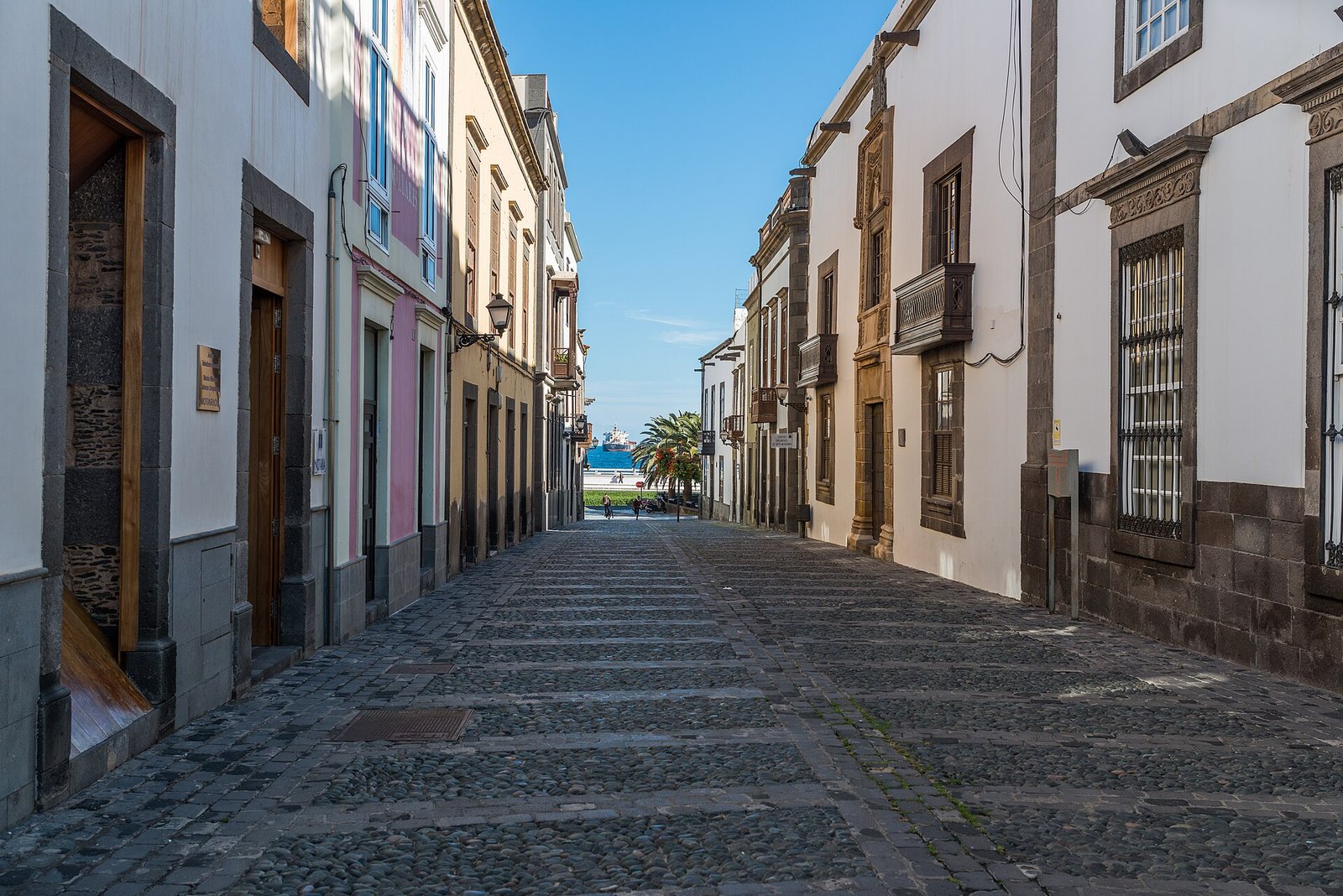
If your summer plans in Gran Canaria involve long, balmy nights on a lively terrace, you might need to adjust your schedule. The city council in Las Palmas de Gran Canaria has enforced a strict 22:00 closing time for terraces in the Joaquín Costa area and its surrounding streets. This isn't a suggestion or a temporary trial; it's a direct response to a judicial order aimed at tackling chronic noise pollution and protecting the fundamental right of residents to a good night's sleep.
The move has drawn a sharp line between two essential parts of the city's identity: its vibrant, open-air social life and the peace of its neighbourhoods. For the hospitality sector, it's a direct threat to their busiest hours. For many locals, it's a long-overdue measure to reclaim their homes from constant disturbance. For you, the visitor or new resident, it means understanding that the rhythm of the night in this specific pocket of the city has just changed.
Where and Why the 22:00 Rule Applies
The restriction is highly localised, targeting the terraces of "Joaquín Costa y alrededores." This isn't a blanket ban across the whole city or island, but a surgical measure in an area known for its dense concentration of bars and restaurants. The city council has been explicit: they are applying this limitation "por orden judicial"—by court order. The goal is to reduce noise and guarantee residents' rest, a legal obligation the council must now enforce.
This situation is a classic case of a Spanish municipality using its powers under environmental noise ordinances. When complaints and measured sound levels in a specific zone consistently breach legal thresholds, a council can declare it an acoustically saturated zone. In such areas, they can cut terrace hours, limit capacity, or freeze new licences. While Spain has no single national law forcing a 22:00 closure, this local application, backed by a judge, has the full force of law. The precise details of the court judgment aren't public, but the outcome is clear: when the clock strikes ten, the chairs go up.
The Hospitality Sector's Alarm: Jobs and Summer Vibe at Risk
From the perspective of bar and restaurant owners, a 22:00 terrace closure in a prime nightlife zone during summer is an economic body blow. The sector's argument is that this cuts off the most profitable part of the day. In a warm climate, the peak dining and socialising hours often start at 21:00 or later. Losing two to three hours of terrace service can decimate a business's daily revenue, threatening its viability.
The impact cascades down to jobs. Fewer open hours mean fewer shifts for waiters, kitchen staff, and bartenders, and a significant drop in tips. Some operators may be forced to reduce their workforce. Nationally, groups like España de Noche have consistently warned that restricting hours damages an industry that relies on late-night spending and is central to Spain's international image. The fear in Las Palmas is that this rule chips away at the Canary Islands' brand as a warm, open-air, late-night destination, potentially pushing visitors to other areas with more relaxed rules.
Residents' Relief: A Fight for the Right to Rest
On the other side of this debate are residents who have likely been fighting for this outcome for years. The council's reference to a judicial order strongly suggests a history of documented complaints, sound measurements, and legal petitions. For people living above or next to these terraces, the nightly noise of music, conversations, and moving furniture isn't a sign of a good time—it's a source of chronic stress and sleep deprivation.
Their argument is framed around health and fundamental rights. Excessive night noise is increasingly treated as a public health issue, and Spanish courts have sometimes prioritised the right to rest and a healthy environment over commercial interests. This measure is seen not as an attack on fun, but as a necessary enforcement after years of failed voluntary self-regulation. It reflects a wider sentiment in the Canary Islands, where resident movements are becoming more vocal about overtourism and its impact on daily life, from housing costs to neighbourhood peace.
What This Means for Your Night Out in Las Palmas
For tourists and diners, the practical effect is straightforward but significant in the affected micro-zone. You won't be able to linger over a drink on a Joaquín Costa terrace after 22:00. That spontaneous, late-night street atmosphere will be muted here. If you're expecting a classic Spanish late dinner al fresco on these specific streets, you'll need to arrive much earlier.
However, the nightlife of Gran Canaria is far from dead. This rule is about redistribution, not abolition. The island is full of other bars, restaurants, and clubs in Las Palmas and beyond that operate well past midnight. Think of it as a nudge to explore a different neighbourhood. This is part of a broader, delicate rebalancing act the Canary Islands are undertaking to manage tourism's impact while preserving local quality of life. You can still have a fantastic, late night out; you just might need to choose a different postcode for it.
Common questions
- Is this a curfew for the whole of Gran Canaria?
- No, the 22:00 terrace closure is a local measure for the Joaquín Costa area and surroundings in Las Palmas de Gran Canaria only.
- Can I still eat dinner indoors after 22:00 in this area?
- The rule specifically targets outdoor terraces. Indoor service in restaurants may continue, but it's best to check directly with the venue.
- Why was this rule introduced?
- The city council enforced it under a judicial order to reduce chronic noise pollution and guarantee the residents' right to rest.
- Will this affect my holiday in other parts of the island?
- No, popular tourist areas like Maspalomas, Playa del Inglés, and Puerto de Mogán have their own local rules and are not affected by this specific order.
- Is this a permanent change?
- It is enforced by a court order, making it the current legal reality. Any change would require a new legal process or a successful appeal.
Read on
- Gran Canaria: KM.0 fair in Santa Brígida on 24–25 OctoberGran Canaria · 15 October
- Las Palmas rent cap process opens on 15 OctoberGran Canaria · 15 October
- Nightlife in Las Palmas: Vegueta, Las Canteras and where the dancing actually happensGran Canaria · 21 May
- Las Palmas Gran Cabalgata 20 Feb: 7 km, 100,000+ taking partGran Canaria · 14 October
- Vecindario: San Rafael 2026 fiestas with Braulio, GofionesGran Canaria · 14 October
- All events on Gran Canaria →
Stand: 16 July 2026. This article is based on verified municipal communications and sector-wide reactions. Specific quotes from local business associations are not available at this time.