Regulated electricity bill to rise more than 22% in August
The August electricity bill is set to be more than 22 percent higher for households on the regulated PVPC tariff than in August 2025. That is what experts point to, based on simulations run with the price comparator of Spain's regulator CNMC, circulated by the Europa Press news agency and picked up by the newspaper Diario de Avisos.
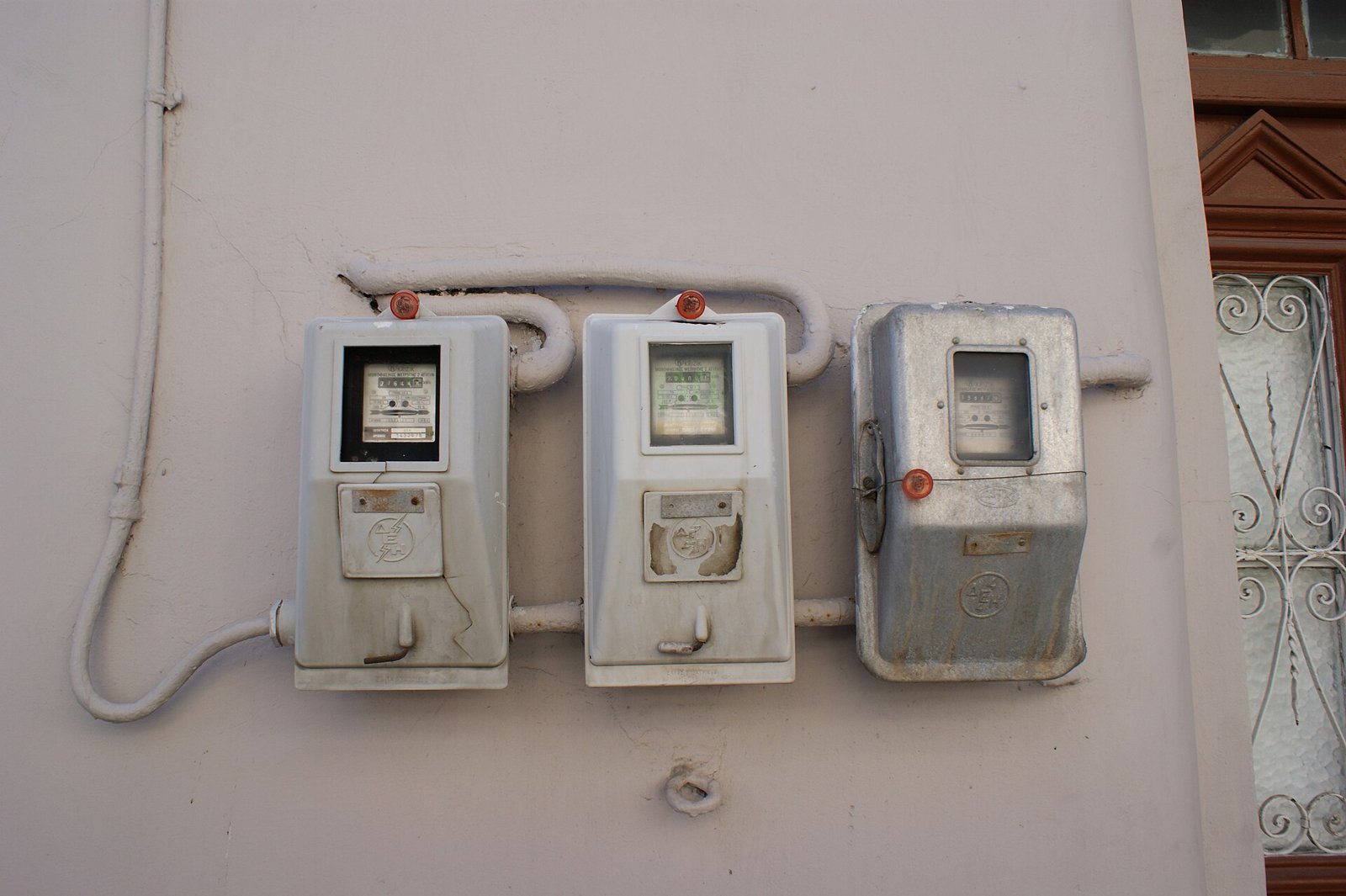
Photo: Asurnipal, CC BY-SA 4.0 (Symbolbild).
For the so-called average consumer (consumidor medio) on the PVPC tariff, the estimated bill over the first 21 days of August 2026 comes to 61.33 euros, against about 50 euros in the same period of 2025. That is roughly eleven euros more, an increase of over 22 percent. One key point: this is a nationwide estimate for the whole of Spain, not a figure specific to the Canary Islands.
What the data show
According to the calculations circulated by Europa Press, the average PVPC consumer's bill reaches 61.33 euros over the first 21 days of August 2026. In the same stretch a year earlier it stood at around 50 euros. The gap of roughly eleven euros equals a rise of more than 22 percent.
Broken down, the simulations put the amount at about 7.60 euros for the fixed capacity term, 39.63 euros for consumption, 2.44 euros in electricity tax and 10.64 euros in VAT. The basis is the CNMC price comparator, which models a household's real consumption profile.
Why prices are rising
Experts point above all to high demand during the heatwaves and to higher gas prices, which push up generation costs. When a large share of power comes from gas-fired plants, the more expensive fuel feeds through into the market price.
On the wholesale market (the so-called pool), the average daily price over the first 23 days of August 2026 was above 124 euros per megawatt-hour, according to Europa Press, the highest level since February 2023. Gas traded above 65 euros per megawatt-hour over the same period. If the trend holds, August 2026 would be among the most expensive months in recent years.
A national estimate, not Canary-specific
The figures refer to the regulated PVPC tariff across the whole of Spain, which according to Europa Press covers around eight million households. The analysis therefore also applies to Canary households on the PVPC tariff, but it provides no separate figure for the Canary Islands alone and no data for customers on the free market.
The PVPC (Precio Voluntario para el Pequeño Consumidor) is the state-regulated electricity tariff, whose price tracks the wholesale market. Customers on a fixed-price free-market contract feel the pool's daily swings differently, or not immediately at all.
A forecast from partial data
The more-than-22-percent figure is a projection from the first three weeks of August, not final billed amounts. The 61.33 euros cover the first 21 days, and the pool figure the first 23 days. The month had not yet closed when the estimate was made.
The actual final amount depends on how wholesale prices move over the closing days of August. If the pool falls, the final bill could come in below the forecast; if it stays high, the increase is confirmed.
What it means for consumers
For an individual household, the real burden depends on consumption, on the contracted capacity and on the chosen tariff. The 61.33 euros describe an average profile, not any one bill. Households on the PVPC can shift usage into the cheaper daytime hours with plenty of solar power, when the pool at times drops towards zero or into negative territory.
Comparing the PVPC with fixed-price free-market offers can pay off, depending on the usage profile. No universal recommendation, however, can be drawn from a nationwide average alone.
The official CNMC price comparator helps compare the PVPC and fixed-price offers for your own profile.
This analysis offers no figures for free-market customers and no separate value for the Canary Islands.
Key figures
- August bill increase: more than 22 percent versus August 2025, on the regulated PVPC tariff (experts, CNMC comparator, via Europa Press / Diario de Avisos)
- Average consumer: 61.33 euros over the first 21 days of August 2026, against about 50 euros a year earlier (roughly +11 euros)
- Breakdown: about 7.60 euros capacity, 39.63 euros consumption, 2.44 euros electricity tax, 10.64 euros VAT
- Wholesale market (pool): above 124 euros/MWh on average over the first 23 days, the highest since February 2023 (Europa Press)
- Causes: high demand during the heatwaves and higher gas prices (above 65 euros/MWh)
- Scope: nationwide estimate, around eight million PVPC households; no separate Canary figure, no free-market data
FAQ
- How much is the August electricity bill rising?
- By more than 22 percent versus August 2025 for households on the regulated PVPC tariff, per experts using CNMC simulations circulated by Europa Press.
- Is the figure specific to the Canary Islands?
- No. It is a nationwide estimate for the whole of Spain on the PVPC tariff. It also applies to Canary PVPC households, but there is no separate Canary value.
- What does the average consumer pay exactly?
- About 61.33 euros over the first 21 days of August 2026, against roughly 50 euros in the same period of 2025, per the calculations circulated by Europa Press.
- Why are prices rising?
- Because of high demand during the heatwaves and higher gas prices. On the wholesale market the average was above 124 euros/MWh over the first 23 days.
- Is this the final bill already?
- No. It is a forecast from the first weeks of August. The final amount depends on how wholesale prices move afterwards.
Read on
- Canary Islands on 13 Oct: fiestas, opera and storytellingCanary Islands · 13 October
- Grandchildren’s Law: vote suspended for 163,020, report saysCanary Islands · 13 October
- Canary Islands Inter-Island Flights Get Up to 9.5% More Expensive From AugustCanary Islands · 1 August
- Canaries: housing costs 91.5% more than in 2015Canary Islands · 4 October
- Canaries 12 Oct: Pilar fiestas, Fetish Pride, DJ brunchCanary Islands · 12 October
- All events on the Canary Islands →