Industrial prices in the Canary Islands jump 18.5% in July, second-steepest rise in Spain
The industrial price index (IPRI) in the Canary Islands climbed to an annual rate of 18.5% in July 2026, the second-highest increase of any region in Spain, behind only Asturias (19%). The figures come from Spain's statistics institute INE and were reported by the newspaper La Provincia on 25 August 2026.
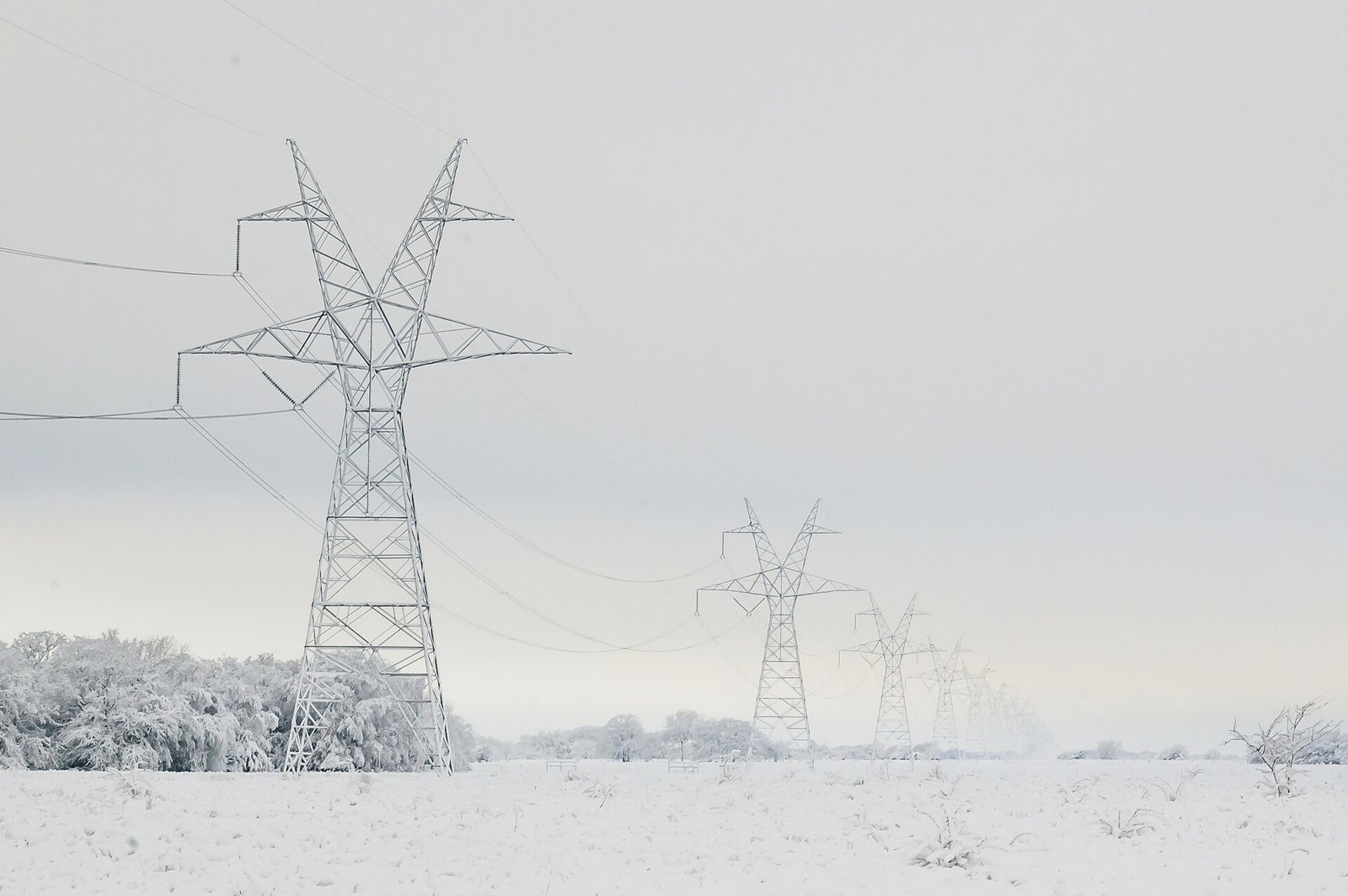
Photo: Matthew T Rader, CC BY-SA 4.0 (Symbolbild).
The number should be read with care: the IPRI measures the prices at which industry sells its output at the factory gate, before taxes and distribution, not what households pay in the shop. It is a gauge of industrial inflation, distinct from the consumer price index (CPI), which tracks the household shopping basket.
18.5% year on year, second-highest in Spain
According to the INE data reported by La Provincia, industrial prices in the Canary Islands rose 18.5% year on year in July 2026. That was the second-largest regional gain in the country, behind Asturias, which topped the table at 19%. Andalusia came third, at 17.4%.
These are very high rates compared with the national average. The Canaries' place near the top of the ranking stands out in an archipelago with a small industrial base and heavy reliance on energy, though a sector-by-sector figure specific to the islands does not appear in the published coverage.
Roughly double the Spanish average
The annual IPRI rate for Spain as a whole stood at 9.2% in July, up 2.2 points from June, according to INE. That means the Canary figure of 18.5% is roughly double the national average.
The pick-up was broad-based across the country, but with marked differences between regions. While some areas posted only moderate gains, a group led by Asturias, the Canary Islands and Andalusia ran well above the average, pointing to factors concentrated in particular sectors and territories.
Energy is the main driver
The engine of the increase is energy. Nationally, the annual rate of the energy component rose 20.8% in July, 6.5 points more than in June, according to INE. The institute links this above all to the "production, transport and distribution of electrical energy" and to "petroleum refining".
In monthly terms, industrial prices rose 3% in July compared with June, driven by those same energy factors. It is worth stressing that this breakdown of the energy effect refers to Spain as a whole; the published coverage does not provide a sector breakdown specific to the Canary Islands.
What the IPRI is, and how it differs from the CPI
The IPRI (industrial price index) measures how the prices of industrial goods move at the factory gate, that is, the prices producers receive before taxes and distribution margins. It reflects what production costs, not what the consumer ultimately pays.
The CPI (consumer price index), by contrast, measures the prices households pay for a basket of consumer goods and services, taxes included. The two indicators can move differently: a sharp rise at the factory gate does not feed through automatically or immediately, nor in the same proportion, to shop prices.
What it means for households, and what it does not
An IPRI of 18.5% signals cost pressure in industry, particularly in energy. Over time, part of those costs can seep into other prices, but the figure does not mean the shopping basket in the Canary Islands is rising 18.5%.
The caution is twofold: the index captures producer prices, not retail prices, and no separate detail on the weight of the energy component is published for the islands. To gauge the real effect on Canary households, one would need to look at the region's CPI, which is a different indicator.
A sharp rise in the IPRI shows cost pressure in industry, mainly from energy, but it does not translate automatically, or to the same degree, into the shopping basket.
What is more, the sector explanation for the rise (electrical energy and petroleum refining) refers to Spain as a whole; the published coverage does not include a breakdown specific to the Canary Islands.
Key facts
- Canary Islands IPRI: +18.5% year on year in July 2026, the second-highest regional rise in Spain (INE, via La Provincia)
- Top of the table: Asturias, at 19% year on year; third, Andalusia, at 17.4% (INE)
- National IPRI average: 9.2% in July, up 2.2 points from June; the Canaries roughly double it (INE)
- Energy component (national): +20.8% year on year, 6.5 points more than in June (INE)
- Factors cited: production, transport and distribution of electrical energy, and petroleum refining (INE)
- Monthly rate: industrial prices rose 3% in July versus June (INE)
FAQ
- How much did industrial prices rise in the Canary Islands?
- By 18.5% year on year in July 2026, according to INE data reported by La Provincia. It is the second-largest rise among Spain's regions, behind only Asturias (19%).
- Does that mean the weekly shop is 18.5% dearer?
- No. The IPRI measures industrial prices at the factory gate, before taxes and distribution. The prices households pay are measured by the CPI, a different indicator.
- Why are industrial prices rising so sharply?
- Mainly because of energy. Nationally, the energy component rose 20.8% year on year, linked to the production, transport and distribution of electricity and to petroleum refining, according to INE.
- How does the Canaries compare with the Spanish average?
- The national IPRI average was 9.2% in July, so the Canary figure of 18.5% is roughly double it, according to INE.
- Is there a sector breakdown for the Canary Islands?
- The published coverage does not provide a sector detail specific to the islands. The weight of energy (electricity and refining) is given at the national level.
Read on
- Canary Islands on 13 Oct: fiestas, opera and storytellingCanary Islands · 13 October
- Grandchildren’s Law: vote suspended for 163,020, report saysCanary Islands · 13 October
- Canary Islands Records Second-Highest Mortgage Surge in SpainCanary Islands · 20 July
- Canary industrial prices up 27.3%, but only 4.8% without energyCanary Islands · 25 September
- Canaries 12 Oct: Pilar fiestas, Fetish Pride, DJ brunchCanary Islands · 12 October
- All events on the Canary Islands →