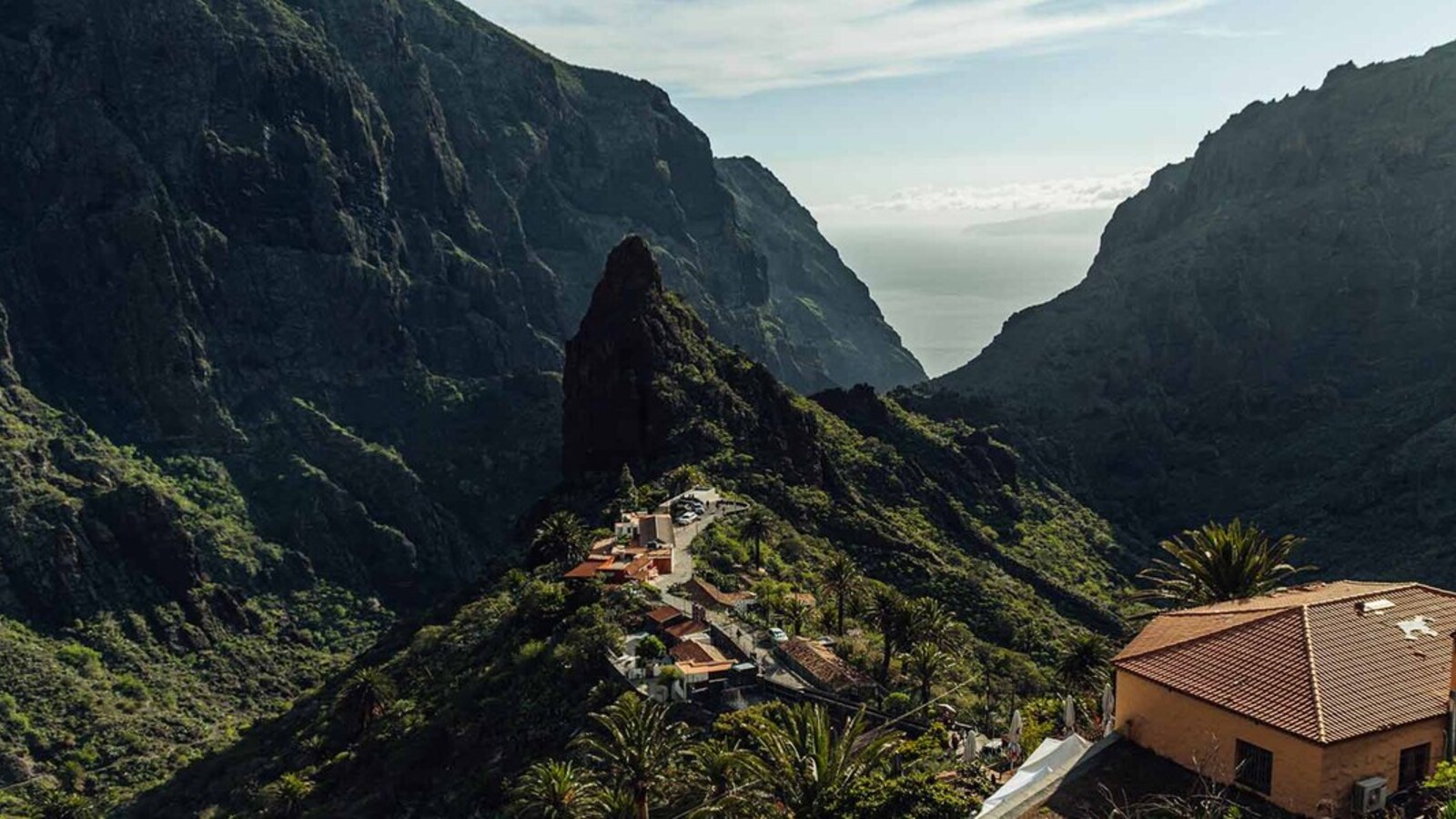
The archipelago: the Canaries were crowned Europe's best "all-rounder"
Who measures: the study comes from the British travel provider Saga Holidays — not a neutral institution
The scope: 80 European islands were compared
The weighting: green space 45%, weather 35%, food and drink availability 20%
Sources: Saga Holidays (via Euronews), Travel And Tour World
The headline is welcome for the islands. Tenerife leads the ranking as Europe's best island, with 95 out of 100 points.
La Palma, the UNESCO Biosphere Reserve nicknamed "La Isla Bonita", follows close behind with 94 points. Madeira in Portugal takes third place.
Who is behind the ranking
Before celebrating, it is worth looking at the source. The study comes not from a neutral authority but from the British travel provider Saga Holidays, which specialises in trips for the over-50s.
That is no reason to dismiss the result, but a reason for context. A travel provider has a commercial interest in attention-grabbing league tables.
How it was measured
Eighty European islands were compared against three criteria. Green space counted most at 45 percent, followed by weather at 35 percent and food and drink availability at 20 percent.
That weighting explains the Canary result. Stable weather and plenty of sunshine are all but guaranteed here, which scores points in the weather category.
According to the study, the win rests on the mix of natural scenery, fresh food and — its highest single metric — sunshine. Other categories have other leaders: Italy wins on food, Croatia on pure green space.
Frequently asked questions
- Which Canary island is first?
- Tenerife with 95 out of 100 points, followed by La Palma with 94. Madeira (Portugal) is third.
- Who compiled the ranking?
- The British travel provider Saga Holidays, which specialises in trips for the over-50s — not a neutral institute.
- By what criteria was it judged?
- By three weighted pillars: green space (45%), weather (35%) and food and drink availability (20%), across 80 islands.
- So are the Canaries objectively the best?
- No. It is the result of this one methodology. A different weighting would have produced different winners.
- What won in the individual categories?
- Italy on food (Capri, Sardinia), Croatia on green space (Mljet, Korčula) with Madeira second.
As of 06/07/2026. Source of the ranking data: a study by Saga Holidays, reported among others by Euronews and Travel And Tour World. It is a commercial ranking by a travel provider with self-chosen, weighted criteria, not an official statistic. Scores and placings reflect this one methodology. This article is general information, not travel or booking advice. Illustration.