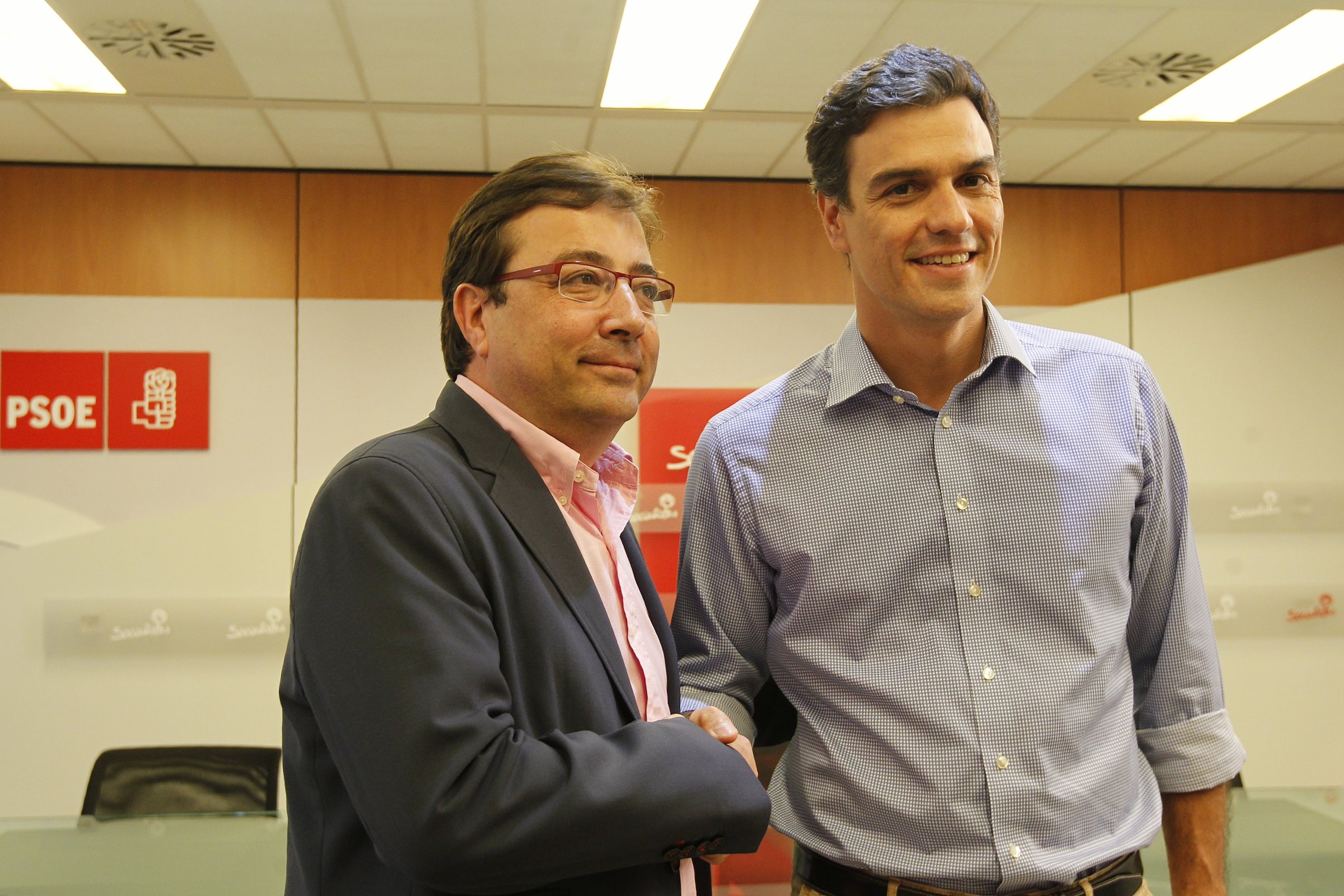
What did Sánchez promise owners of holiday homes?
Sánchez spoke in Alcorcón on Sunday 15 November 2026 to 5,500 people, according to the PSOE, his Socialist party. He said the party's programme for the 29 November election includes a tax reform for owners of several properties.
He means big investment funds and owners who leave homes empty, run them as holiday flats or let them at rents he calls unaffordable for the middle class. Sánchez said: “We will tax them more.”
Sánchez gave no rate, threshold or start date in Alcorcón. He also left open which tax he wants to change: income tax, property tax, VAT or a new levy.
What changes for landlords and owners in the Canaries?
Nothing changes for owners in the Canaries since 15 November, because this is an election promise and not a law. There is no draft and no concrete figure.
The pledge most likely targets owners of several holiday or empty homes, including foreign ones. Nobody has yet defined where a “large owner” begins, and it is unclear whether the Canaries would be treated differently.
A PSOE bill from May 2025 set 21% VAT on holiday lets, which could make holiday rentals dearer. Whether the 15 November promise means the same is not confirmed, and no official guidance for owners exists.
Which taxes on empty homes already exist?
Spain's housing law 12/2023 lets councils add 50% to 150% to the IBI, the municipal property tax, on homes left empty long term. The longer a home stays empty and the more empty homes one person owns, the higher the surcharge.
One common account gives the rule as more than two years empty without reason and four or more homes owned. Other reports say three years, and none of it could be checked in the BOE, the Spanish state gazette.
Each council must adopt the surcharge itself by bylaw and keeps the revenue. Reports say exemptions apply to homes in legal disputes or under renovation, and to owners who moved away for work or study.
La Laguna town council has passed a motion by Drago Verdes Canarias for a higher IBI on empty homes. Working groups are drafting the bylaw with no amounts named, and the research found no list of Canarian councils that apply the surcharge.
Podemos Canarias proposes a levy of 10 euros per square metre a year on homes left empty without reason. The sum would grow with the time empty, and it needs a regional law that the party wants to put to the Parlamento de Canarias, the regional parliament.
How many holiday homes and empty homes are there?
ISTAC, the Canarian statistics institute, counted 47,648 registered holiday homes in May 2025, 6.8% more than in May 2024. Tenerife had 19,286 of them, around 40% of the total.
In May 2026 ISTAC counted 38,337 homes advertised on platforms, around 20% fewer than a year earlier. The number of beds fell by 21%; the institute gave no cause, but the drop coincides with the new Canarian law.
According to ISTAC, Tenerife accounted for 41% of listings in May 2026, Gran Canaria for 22%, Lanzarote for 16% and Fuerteventura for 14%. Of the advertised homes, 78.43% (30,066) had at least one booking.
The research found no current official count of empty homes in the Canaries. By one citation of the 2021 census of the INE, Spain's national statistics institute, 17.3% of homes in Santa Cruz de Tenerife stood empty, the highest figure among Spain's 30 cities with more than 200,000 residents.
What is still open and what happens next?
The general election is on 29 November 2026, and any tax change would then need a government and the approval of parliament. Sánchez gave no timetable, and the research found no official source on the pledge, such as a PSOE programme or a BOE text.
The plans are not new: in January 2025 Sánchez announced twelve housing measures, including taxing holiday homes as an economic activity. A review dated 18 January 2026 said the empty-home surcharge, the 21% VAT on holiday lets and the tax on buyers from outside the EU had not been put in place.
The Canarian law 6/2025 appeared in the BOC, the Canarian official gazette, No. 246 on 12 December 2025 and has applied since 13 December 2025. Responsibility is split: the regional parliament regulates tourist use, councils decide the IBI surcharge and the state sets taxes such as income tax.