There is a moment in every Canarian summer when the heat settles into the cobblestones and the air fills with the sound of timples and laughter. In Firgas, that moment has a name: San Roque. The town hall has officially presented the programme for the 2026 patron saint fiestas, stretching a generous window from 31 July right through to 17 August. It is the kind of celebration that turns a quiet mountain village into the beating heart of Gran Canaria’s north, and if you have never experienced it, this summer might be the perfect time.
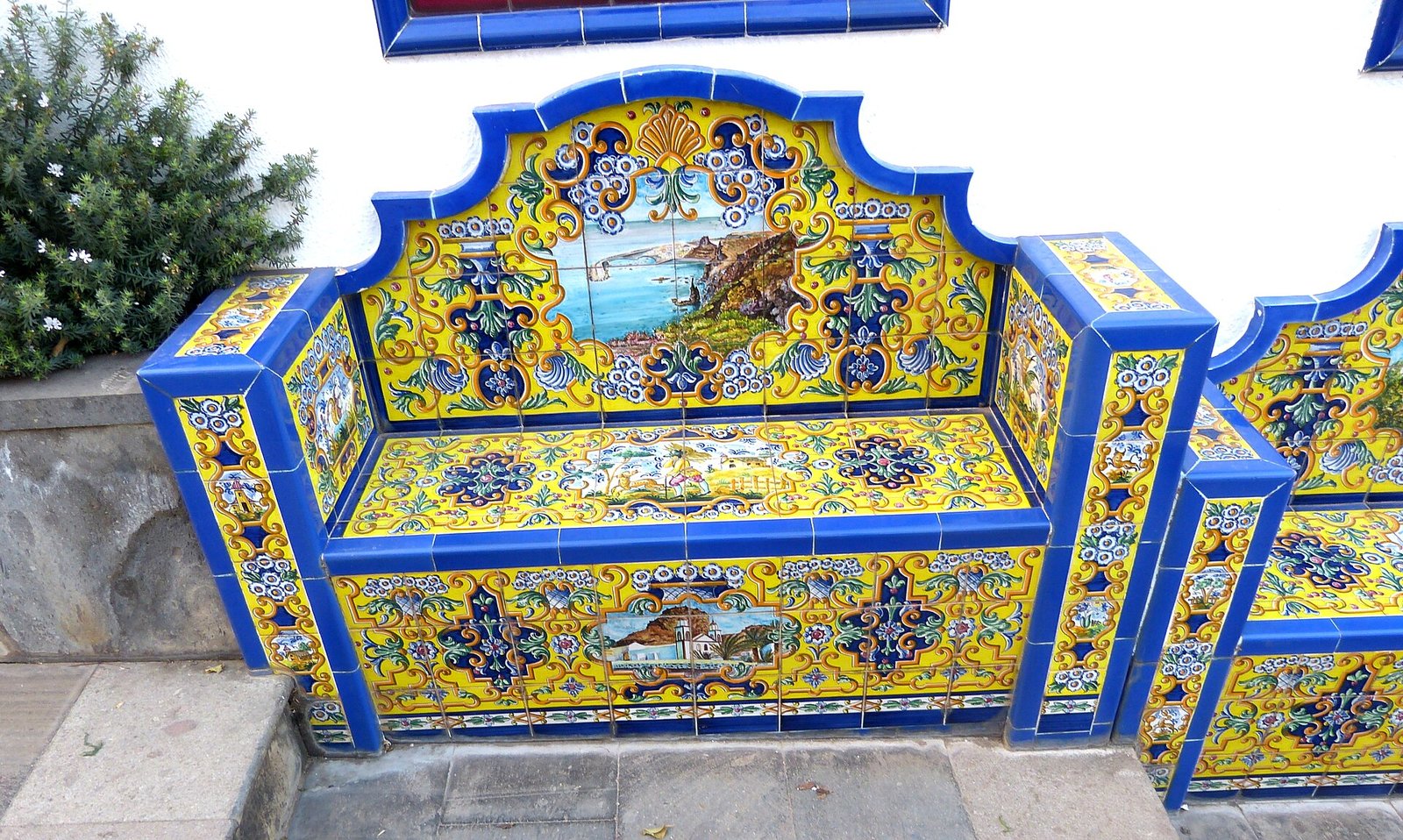
Firgas is not a place that needs to try hard to charm you. Known across the islands for its bottled water and its stunning Paseo de Canarias — a pedestrian walkway lined with hand-painted tiled benches representing every island in the archipelago — the town already feels like a living postcard. Add a patron saint fiesta to that backdrop, and you get something genuinely special: a compact, walkable centre that transforms into a stage for processions, parrandas, and long nights under the stars. The San Roque programme, as outlined by the municipality, mixes religious devotion with popular revelry in a way that feels effortless and authentic.
The Heart of the Fiesta: Romería and Religious Acts
At the core of the San Roque celebrations lies a deep-rooted devotion that has shaped Firgas for generations. The two standout dates on the calendar are 15 and 16 August, and they represent the spiritual and communal peak of the entire fortnight. On 15 August, the town holds its traditional Romería de San Roque, a pilgrimage-offering that sees decorated carts, oxen, and folk groups in traditional dress winding through the streets towards the Plaza de San Roque. It is a spectacle of colour, music, and generosity, as locals carry offerings to the saint in a procession that feels both solemn and joyfully alive.
The following day, 16 August, is the religious feast day of San Roque himself. Solemn acts in his honour take centre stage, with the parish community gathering to celebrate the town’s patron with masses and devotional ceremonies. For many Firgas families, this is the most important moment of the entire summer — a day when faith and local identity come together in a quiet, powerful way. Even if you are not religious, witnessing the town united around its patron saint offers a genuine glimpse into Canarian village life that no museum can replicate.
The Traída del Palo: A Firgas Tradition Like No Other
If there is one event that defines the opening chapter of San Roque, it is the Traída del Palo on 1 August. This is not your typical fiesta act — it is a community ritual deeply embedded in Firgas folklore. The tradition involves bringing a large wooden pole, or palo, into the town, accompanied by music, dancing, and a palpable sense of collective effort. It is one of those moments that makes locals swell with pride and leaves visitors wide-eyed, trying to understand exactly what they are witnessing.
The Traída del Palo sets the tone for everything that follows. It signals that the fiesta has truly begun, and it does so with a raw, unpolished energy that feels miles away from packaged tourist entertainment. If you plan your visit around just one early moment, make it this one. The streets fill early, the parrandas strike up, and the whole town seems to move as one. It is the kind of authentic experience that reminds you why small-town fiestas in the Canary Islands are so treasured.
Music, Verbenas and the Sound of Summer Nights
No Canarian fiesta is complete without music, and San Roque 2026 promises a full programme of verbenas, parrandas, and live performances that will keep the Plaza de San Roque buzzing well into the early hours. The town hall has confirmed that popular music and dance will be a central thread running through the entire celebration, with open-air stages and impromptu gatherings creating a soundtrack of folk melodies and Latin rhythms. For many visitors, this is the real magic: sitting at a plaza terrace, a cold drink in hand, while a parranda group wanders past and the crowd spontaneously joins in song.
The verbenas — traditional open-air dances — are where generations mix most naturally. You will see grandparents dancing with grandchildren, teenagers laughing with friends, and couples swaying under strings of coloured lights. It is inclusive, unpretentious, and utterly infectious. The programme also includes sports events and community competitions, adding a playful, family-oriented layer to the festivities. Whether you come for the music, the sport, or simply the people-watching, the evenings in Firgas during San Roque have a way of making you feel like you belong.
Fireworks and the Grand Finale
As the fiesta builds towards its closing days, the night sky above Firgas becomes a canvas. Fireworks — fuegos artificiales — are a traditional part of the San Roque celebrations, and the 2026 programme specifically highlights them among the headline moments. While exact dates for the displays may still be subject to final confirmation in the full programme PDF, past editions have typically closed key nights with spectacular pyrotechnics that draw gasps from the crowd gathered in and around the plaza.
There is something about fireworks in a mountain setting that feels more intimate than a big coastal display. The sound echoes off the surrounding hills, the lights reflect in the windows of the old houses, and the whole town seems to pause and look up together. It is a fitting punctuation mark for a fiesta that balances the sacred and the celebratory so gracefully. If you are staying anywhere in northern Gran Canaria — from Arucas to Teror to Las Palmas — Firgas is an easy and rewarding trip for an evening that ends with a bang.
Common Questions About San Roque 2026 in Firgas
- When exactly do the San Roque fiestas take place?
- The official programme runs from 31 July to 17 August 2026, with the main events concentrated around 1 August, 15 August, and 16 August.
- What is the Traída del Palo?
- It is a traditional community act held on 1 August, involving the ceremonial bringing of a large wooden pole into town, accompanied by music and dancing.
- Is the Romería suitable for visitors?
- Absolutely. The Romería on 15 August is a public, open-air pilgrimage with decorated carts and folk groups — visitors are welcome to watch and soak up the atmosphere.
- Where is the best place to experience the fiesta?
- The area around the Plaza de San Roque and the Paseo de Canarias is the epicentre of most activities, from religious acts to verbenas.
- Will there be fireworks?
- Yes, fireworks are a traditional highlight of the San Roque celebrations, typically closing key nights of the programme.
Read on
- Gran Canaria: hotel cleaner arrested over gold chain theftGran Canaria · 18 October
- Gran Canaria cheapest petrol €1.375 a litre, 17 OctoberGran Canaria · 18 October
- Vecindario: San Rafael fiestas run until 1 November 2026Gran Canaria · 17 October
- Guanarteme: Fiestas del Pilar end on 12 OctoberGran Canaria · 5 October
- Gran Canaria 17 Oct: free Oktoberfest, cheese, bodyboardGran Canaria · 17 October
- All events on Gran Canaria →
Stand: 21 July 2026. Programme details based on official town hall announcements; some individual act dates may be subject to final confirmation in the full PDF programme.