New Undersea Cable Improves Fuerteventura's Connectivity
Fuerteventura is now better plugged into the digital world. On 8 August 2026, network operator Canalink completed the undersea laying of a new fibre-optic branch that ties the island into the eastern Canaries cable network. The sources are explicit that this is a fibre-optic telecommunications cable – not an electrical interconnection.
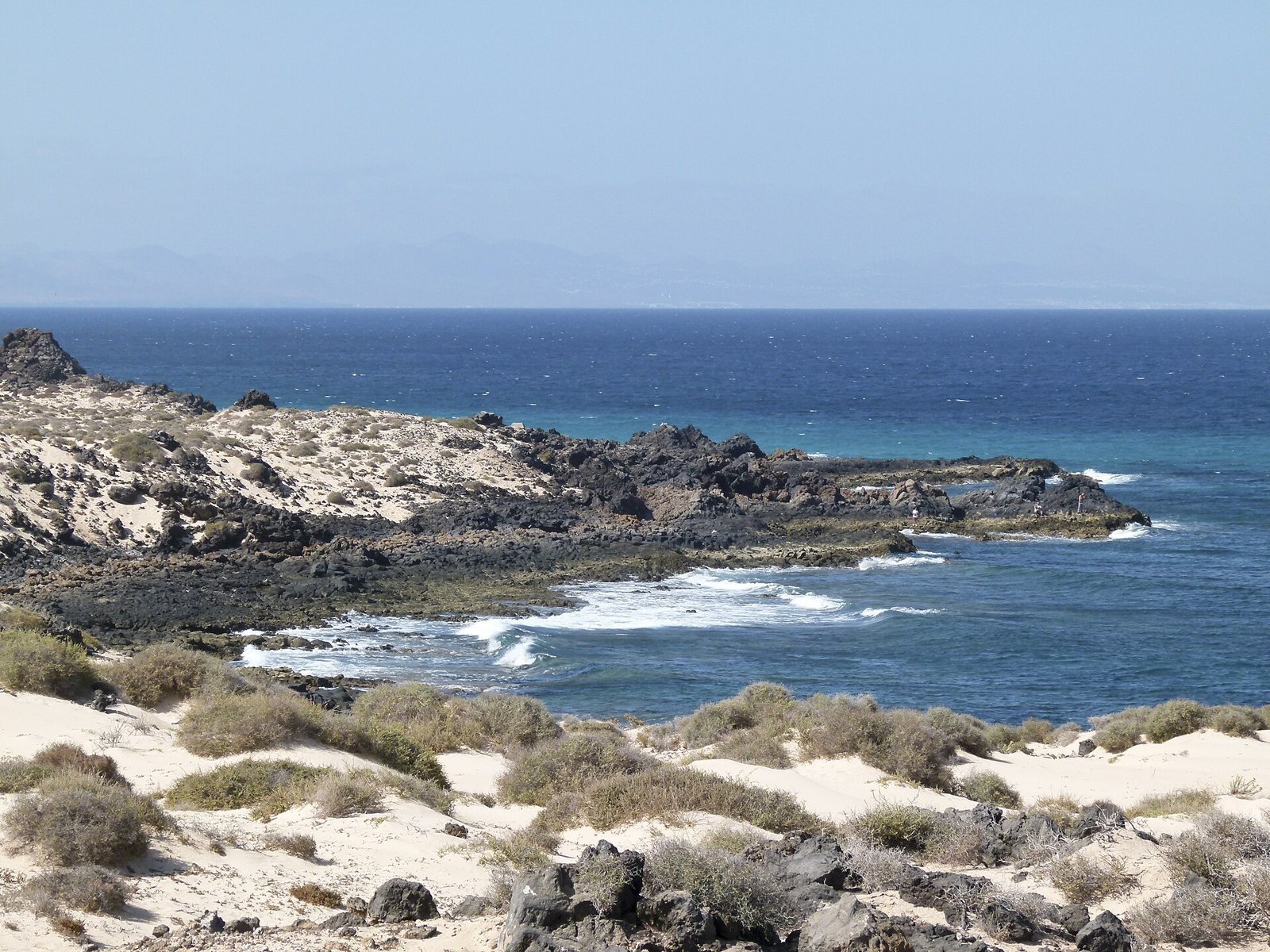
Photo: Norbert Nagel, Mörfelden-Walldorf, Germany, CC BY-SA 3.0 (Symbolbild).
The link forms part of the RING project, which joins Gran Canaria, Fuerteventura and Lanzarote by sea. For residents, businesses and the tourism sector, it promises more capacity and, above all, greater resilience.
What was completed
According to Canalink, the new branch for southern Fuerteventura was connected to the main trunk via a subsea branching unit. The route runs from Ojos de Garza beach on Gran Canaria to the coast near Matas Blancas (Costa Calma, in the municipality of Pájara). The cable ship Teliri carried out the deployment.
Project descriptions point to two landing points on Fuerteventura – near Puerto del Rosario and Corralejo – now complemented by the southern connection at Matas Blancas.
Who is behind it
The operator is Canalink, a public company owned by Tenerife's island council (Cabildo) and run through its technology and renewable-energy institute, ITER. Managing director Rubén Molowny was quoted as saying the connection will give Fuerteventura “an infrastructure with greater capacity and more continuity guarantees” – critical for an island that depends on robust communications.
The RING project in context
RING lays two independent submarine cables in a ring, so traffic can be rerouted if one line is damaged. Media reports put the full ring at around 553 kilometres of subsea cable, replacing older infrastructure estimated to be about 25 years old. Total investment is reported at roughly €34 million, of which some €23 million comes from the EU's Connecting Europe Facility.
Why it matters for the island
The main benefit is resilience: if one line fails, the second takes over. That protects services that rely on stable links – card payments in shops and hotels, digital public services, and everyday phone and internet at home. For an island whose economy leans heavily on tourism, dependable connectivity is a tangible economic asset.
What happens next
The new southern branch was backed by a direct subsidy of about €4.8 million approved by Spain's Council of Ministers on 30 October 2025 and channelled through the Ministry for Digital Transformation. The complete ring is expected to be finished by late September 2026, weather permitting. Operators served reportedly include Vodafone, Masorange and Maroc Telecom.
For critical video calls, a mobile (4G/5G) backup is still worth keeping.
Also, a completed subsea lay does not automatically mean faster internet for end users right away – full commissioning of the ring is only announced for late September 2026.
Key facts
- Cable type: fibre-optic telecommunications cable (not electrical) – per Canalink
- Operator: Canalink (Cabildo de Tenerife / ITER); managing director Rubén Molowny
- Route: Ojos de Garza (Gran Canaria) to Matas Blancas (Pájara, Fuerteventura); cable ship Teliri
- Laying completed: 8 August 2026
- Southern-branch funding: about €4.8 million (Council of Ministers, 30 Oct 2025)
- Full ring: about 553 km and roughly €34 million (some €23 million EU/CEF) – per media reports
FAQ
- Is this a power cable or a data cable?
- A data cable: Canalink states it is a fibre-optic telecommunications cable, not an electrical interconnection.
- Which islands does it connect?
- It links Gran Canaria, Fuerteventura and Lanzarote as part of the RING project.
- Who built it?
- Public operator Canalink (Cabildo de Tenerife/ITER); it was laid by the cable ship Teliri.
- What do I gain as a user?
- Mainly resilience: if one line fails, a second route takes over, making payments, public services and internet more stable.
- Is faster internet available immediately?
- Not automatically. The subsea lay is done, but reports say the full ring is due to enter service only in late September 2026.
Read on
- Fuerteventura kite festival: 500 drones, 13-14 NovemberFuerteventura · 10 November
- La Lajita fiestas: 8 December, dates still unconfirmedFuerteventura · 10 November
- Fuerteventura: Lajares fiestas from 20 November, free entryFuerteventura · 10 November
- Lanzarote Fuerteventura this weekend, 13–15 Nov 2026: Kitefest, JameosFuerteventura · 10 November
- Iberia Express Canary Islands: 29% more seats from MadridFuerteventura · 10 November
- All events on Fuerteventura →