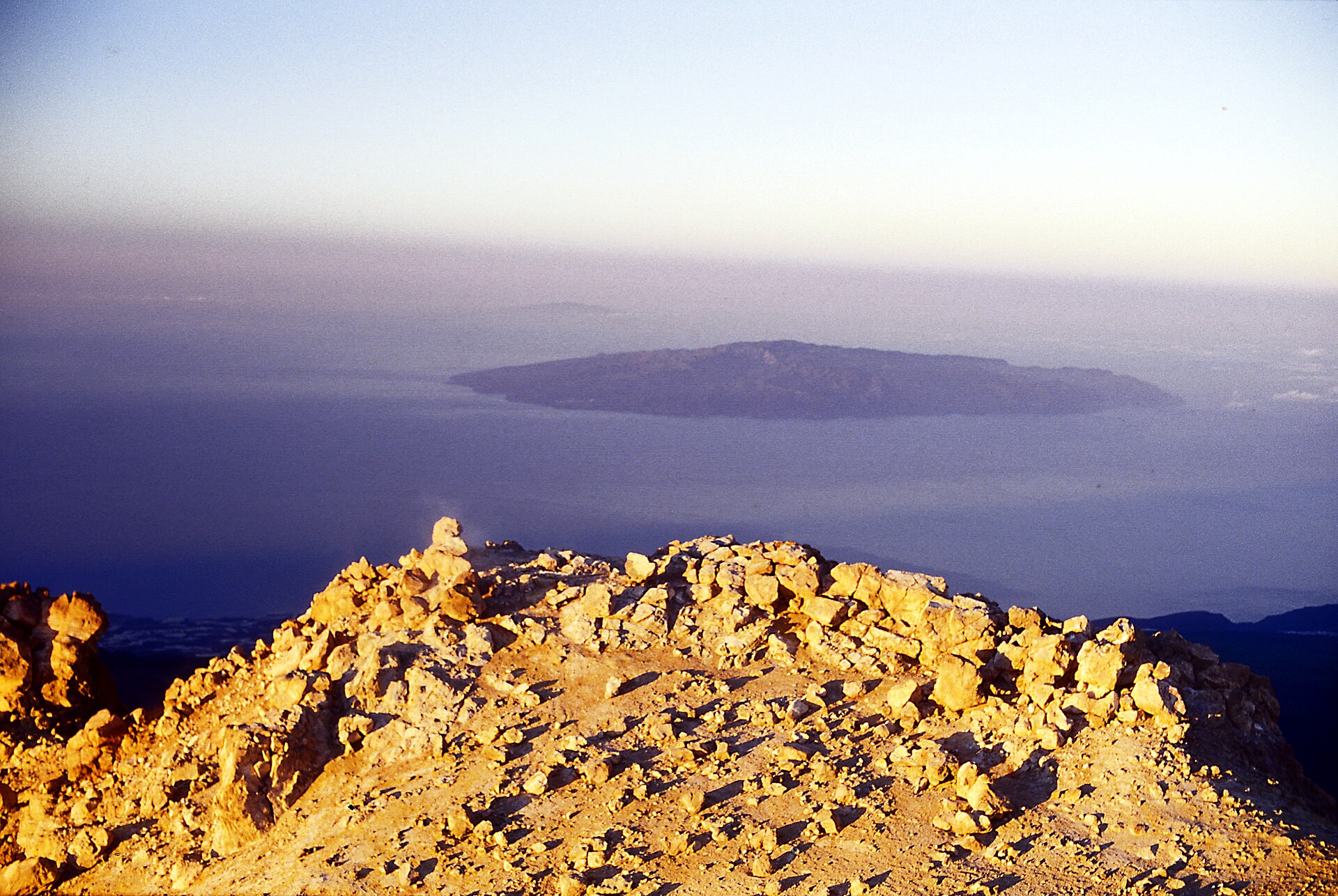
Which climate zones does La Gomera have?
Climatically, La Gomera feels like a small continent within a very compact area. The island's official sustainability guide notes possible differences within just a few kilometres between the coast, mid-altitude areas and mountain regions.
The south is usually sunnier and warmer, according to the tourist board. The north is more frequently affected by the trade winds and is cloudier and wetter.
The higher areas and Garajonay are considerably cooler, often foggy and windy. The moist trade-wind air condenses against the mountains and creates the conditions for the laurel forest.
Temperatures on the coast remain mild all year round. Even so, the official island guide recommends a warm layer for evenings and walks at higher altitudes.
When is the best time to visit La Gomera?
According to the official island information, there is no single best time to visit. The choice depends on the purpose of the trip: walking, swimming or enjoying nature.
For walking and nature, spring and autumn are usually the most balanced. In the higher areas, however, changes in the weather, fog and wind are possible at any time.
For sun and swimming, the south is particularly suitable. The warmest conditions typically occur in the summer and early autumn months.
Winter and spring can be attractive for quiet walks and green landscapes, especially in the north and the Garajonay area. At the same time, cloud and rainfall are more likely there.
In summer the coast is usually sunny and warm, while trade-wind clouds can appear in the mountains. In winter the coast remains mild, but the mountains are considerably cooler.
How do trade winds, cloud and calima have an effect?
The north-easterly trade winds mainly shape the north and higher areas of La Gomera. They bring moist air, cloud and fog; far less of this reaches the south.
A calima is a weather event involving dust-laden air from the Sahara. It can reduce visibility and affect air quality.
According to official sources, the duration and intensity of a calima cannot be reliably linked to a fixed month. When warnings are issued, the current advice from AEMET and the Canary Islands authorities should be checked.
For walks, the official island guide recommends avoiding risky routes when weather warnings are in place. Current values and warnings: CITA weather (cita.news/de/wetter.html) and AEMET.
How much rain and sunshine are there?
Rainfall on La Gomera is not evenly distributed. The north and the higher areas receive more moisture through trade-wind cloud and orographic effects.
The south and south-west are drier and sunnier. Rainfall distribution can vary greatly from year to year; individual monthly or daily values are therefore not a reliable measure of typical holiday weather.
AEMET provides monthly and normal values for climate observation.
The Canary Islands are among the sunniest regions in Europe, according to the tourist board.
What should you bear in mind for walks and safety?
Before walks, the current AEMET warnings should be checked. In the event of strong wind, thunderstorms, high heat, dense visibility or other official warning situations, the route should be adjusted or postponed.
Particular care is needed with rapidly changing weather in the mountains, slippery paths after rain, heat and strong sunshine on the south coast, reduced visibility in fog, and calima and the possible strain on the respiratory system it can cause.
Garajonay National Park protects the historic laurel forest. Marked paths should not be left; plants and rock must not be damaged.
The official visitor advice also recommends saving water and energy, separating waste, using reusable bottles and not using soap in beach showers.
Which clothing and alternatives are sensible?
The official island guide recommends light clothing, summer footwear and a warm jacket for the night or higher areas. For walks, sturdy shoes as well as rain and wind protection are sensible.
If there is fog in Garajonay, you can switch to sunny coastal towns or viewpoints in the south. In strong wind or heat, a shorter coastal route, a visitor centre or a place with local gastronomy is an alternative to a high-altitude walk.
Do not pack only swimwear: for higher areas, warm clothing and rain protection belong in your luggage. Mild all year round does not mean the same everywhere; the north side, trade-wind fog and summits can be considerably colder.
The available official sources do not state any reliably current entry or fee amounts. Many nature experiences, public walking routes and viewpoints are generally free of charge; costs typically arise for ferries, hire cars, accommodation, guided tours and meals.