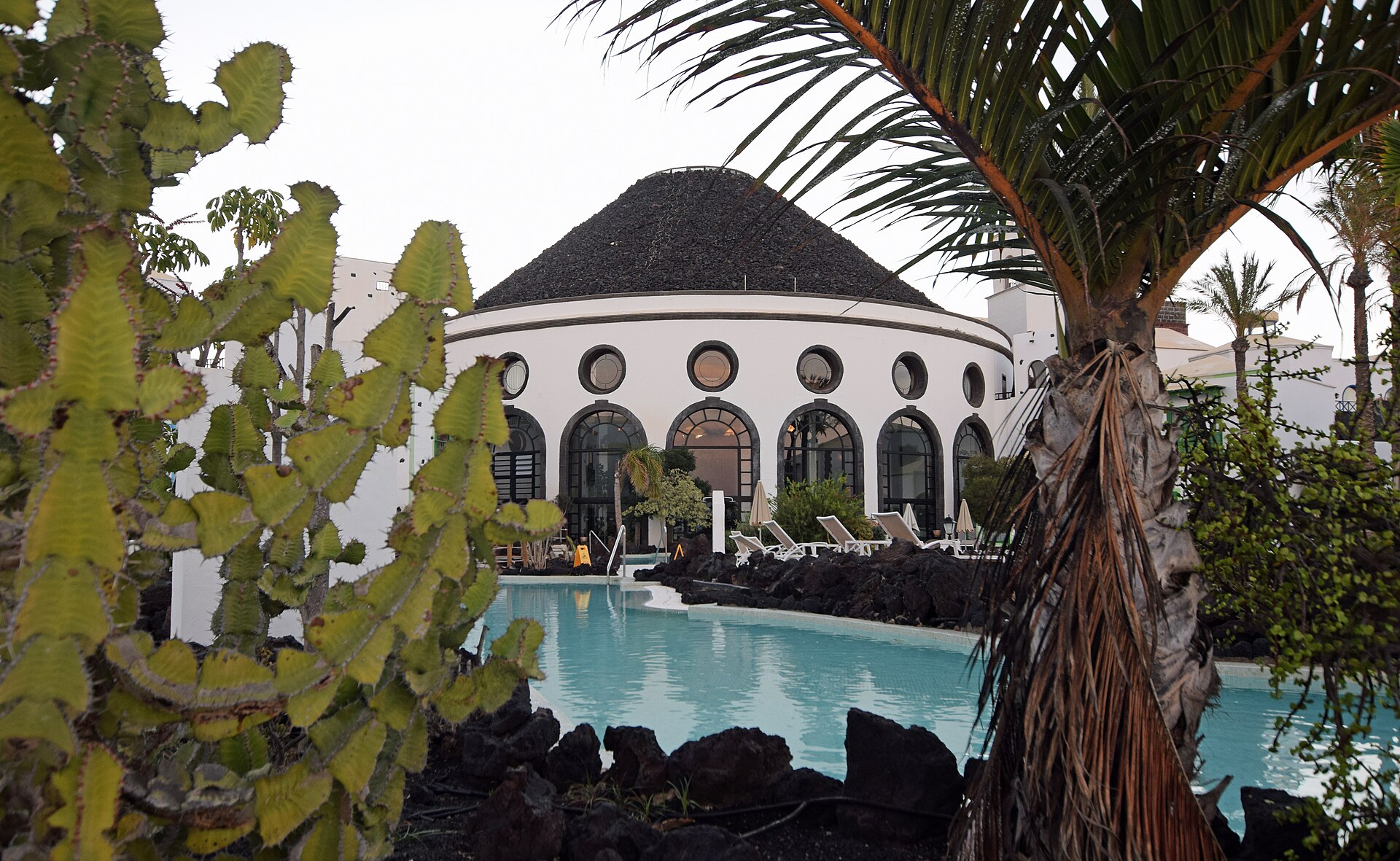
Where is La Graciosa and what makes the island special?
La Graciosa lies north of Lanzarote and belongs to the municipality of Teguise. It is the largest inhabited island in the Chinijo Archipelago, which also includes Alegranza, Montaña Clara, Roque del Este and Roque del Oeste.
The main settlement is Caleta de Sebo. Accommodation, restaurants, the ferry port and tourist services are concentrated there.
The island is part of the Archipiélago Chinijo nature park. According to Turismo Lanzarote, the surrounding sea belongs to the largest marine reserve in Europe.
Its appeal lies in the volcanic, sparsely built-up landscape, the unpaved tracks and the mix of traditional fishing and nature tourism.
How do I get to La Graciosa?
The regular connection starts from the port of Órzola in the north of Lanzarote. The crossing is made by ferry; Turismo Lanzarote gives departures roughly every 30 minutes and recommends Líneas Romero as the operator.
Timetables, available places and fares should be checked directly with the relevant ferry company before travelling. The official sources available do not provide reliable year-specific prices for 2026.
For a day trip, the background material suggests the Órzola–Caleta de Sebo ferry with a bicycle, an organised boat tour or a guided walk. If no ferry places are available, the material gives Famara, the north of Lanzarote or an authorised nautical activity in the Chinijo Archipelago as alternatives.
Which beaches and destinations are officially designated?
The officially listed beaches are Playa de Caleta de Sebo, Playa La Cocina – Montaña Amarilla, Playa La Francesa and Playa de Las Conchas. These names appear in the official tourism material from Turismo Lanzarote.
Playa de Las Conchas lies in the north of the island and is a classic walking destination. Montaña Bermeja and Pedro Barba are also mentioned in the background material as possible walking destinations, always on the marked paths.
According to the official sources, the island is mainly suited to walking, cycling, swimming and observing the landscape. It is not designed for urban or night-time tourism.
Where can I stay overnight on La Graciosa?
Accommodation is concentrated in Caleta de Sebo. The official tourism material lists guesthouses, longer-term rented houses, holiday flats and a camping area with showers and sanitary facilities.
Turismo Lanzarote recommends reserving accommodation before travelling, as supply is limited. Spontaneous overnight stays are not guaranteed.
What rules apply in the nature park and the Reserva Marina?
The entire island lies within the Parque Natural del Archipiélago Chinijo. The search results available do not contain a sufficiently detailed official overview of rules for access restrictions at individual beaches or protected areas, camping permits, driving on the island with hire vehicles, current entry, camping or parking fees, opening hours of official visitor centres, or bathing, walking or nature conservation rules in 2026.
For a safe stay, the usual official precautions therefore apply at least: check weather and wind warnings before the crossing, take sufficient drinking water and sun protection, stay on designated paths and observe local protected-area notices.
What is the climate like on La Graciosa and when is the best time to visit?
The Spanish weather service AEMET maintains climate station C839X for La Graciosa. Administratively, it belongs to Teguise.
The available AEMET pages show current or most recent readings. A complete table of monthly climate normals with temperature, rain days, sunshine duration and sea temperature is not included in the available sources.
No verified monthly averages or a reliable ranking of the best months to visit can be derived from them. A year-by-year breakdown of calima and trade-wind seasons is also missing from the sources.
For concrete travel planning, only AEMET forecasts and official warnings should be used. Current values and warnings are available at CITA Weather (cita.news/de/wetter.html) and AEMET.