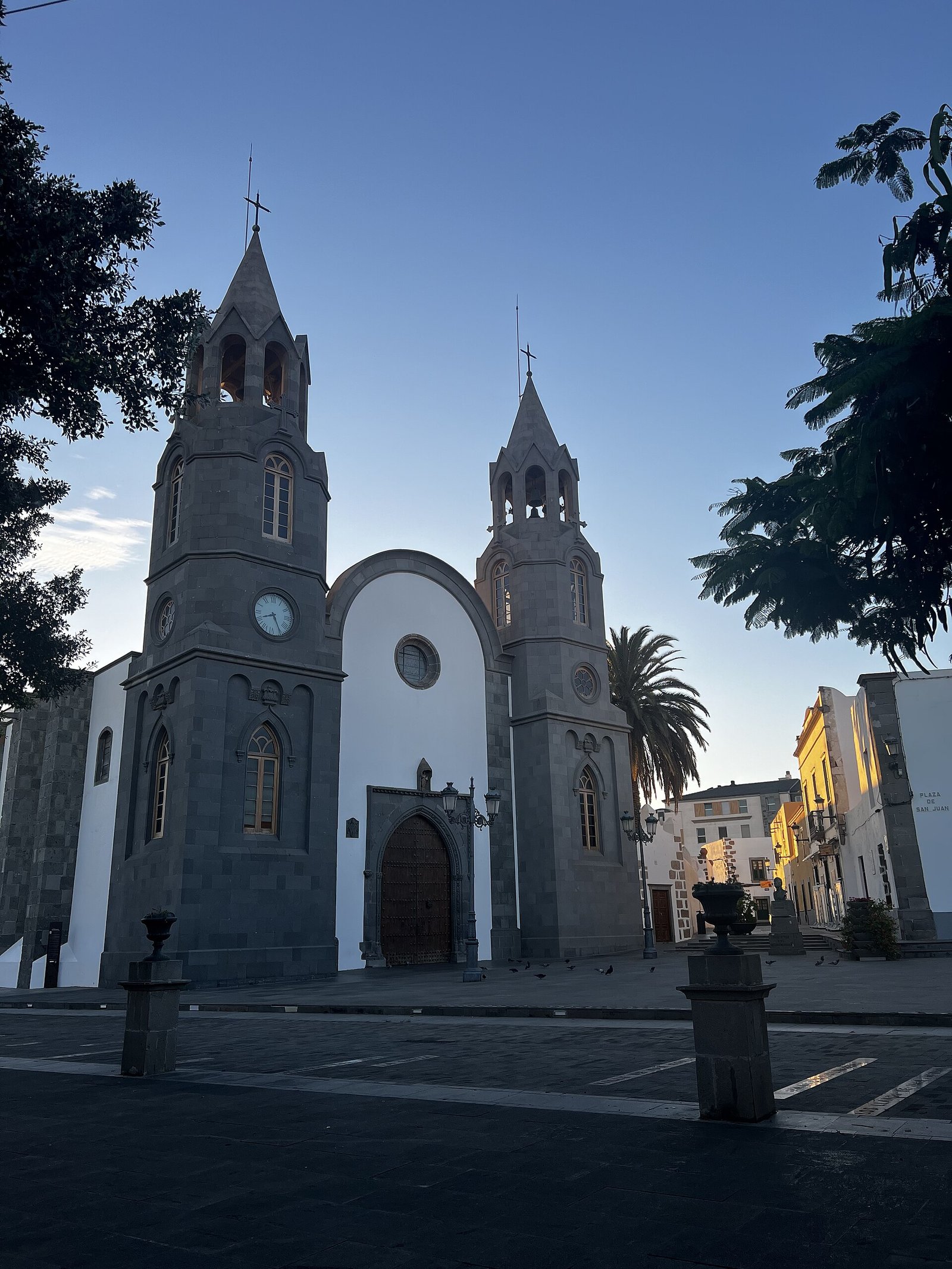
Deep in the midlands of Telde, the quiet village of Lomo Magullo hosts one of Gran Canaria's most extraordinary and refreshing summer traditions. The Traída del Agua is not your typical religious procession. It's a vibrant, chaotic, and deeply symbolic event where thousands of people gather to drench each other with water, all in honour of the Virgen de Las Nieves (Virgin of the Snows). It’s a day when the streets become rivers, strangers become friends, and the island's history is remembered one bucket of water at a time.
This isn't just a random water fight. The Traída del Agua is a living memory, a ritual that connects the modern-day fiesta to the ancient aboriginal inhabitants of the island and the more recent hardships of rural life. It’s the grand finale of the Fiestas de Las Nieves, the most anticipated moment of the year for locals, and an unforgettable experience for any visitor lucky enough to be on the island at the right time. If you're planning a trip to Gran Canaria in August, this is the kind of authentic, local magic you won't find in any resort.
From Ancient Rite to Village Fiesta: The Story Behind the Soaking
The Traída del Agua was born in 1968 from a desire not to forget. A group of young locals wanted to preserve the memory of two intertwined histories: the daily grind of carrying water from the acequias (irrigation channels) to their homes, and a much older, pre-Hispanic ritual. Before the conquest, when rain was scarce, the Canarian aborigines would process to sacred sites, or almogarenes, and pour offerings of milk and butter, pleading with the supreme god Alcorac for water.
In today's Traída, this ancient prayer has been beautifully transformed. The Virgen de Las Nieves, the village's patron saint, now represents that deity of rain. The water thrown so joyfully replaces the milk and butter of the old rite. The solemn chants of supplication have evolved into the music, laughter, and surprised shouts that echo through the streets as another bucket of water finds its target. It’s a powerful fusion of faith, folklore, and pure, unadulterated fun that also serves as a poignant reminder of a time when water was a hard-won treasure in the medianías.
How the Day Unfolds: A Guide to the "Water War"
The day of the Traída follows a cherished rhythm. It all begins at the crack of dawn with the Diana Floreada, a lively parade where the village band, often the renowned Banda de Agaete, marches through the streets to announce the big day. It’s a musical alarm clock that tells everyone: today, you will get wet.
By midday, the anticipation peaks. Church bells ring and voladores (rockets) burst in the sky as a crowd gathers in the Plaza de Nuestra Señora de Las Nieves. The band strikes up, and the procession sets off down Calle La Virgen towards the acequia. This is where the "traída" (the bringing) truly begins. At the water channel, people fill everything they have—buckets, barrels, jugs, hoses, and water pistols—and start the symbolic journey back to the village. What follows is a joyful, hours-long water battle. No one is safe, and that’s the point. The water is even playfully splashed against the walls of the church, a final, symbolic prayer that the water supply never runs dry. The day concludes with La Secá (The Drying) and a huge, open-air dance in the plaza, where damp clothes and happy faces are the dress code.
More Than a Water Fight: The Heart of a Community
The Traída del Agua is the absolute highlight of the Fiestas de Las Nieves, but it's the deep sense of community that makes it truly special. This is the moment of maximum identity for Lomo Magullo. It’s a declaration of "canariedad" (Canarian identity), a tribute to the resilience of past generations who lived with water scarcity, and a heartfelt, if unconventional, rogativa (prayer) to the Virgin for life's most essential resource.
With over five decades of history and often drawing around 2,000 participants, many dressed in traditional Canarian costume, the event’s strength lies in its local roots. The fact that the community even organized a spontaneous version in 2024 when official plans were uncertain shows just how deep the attachment runs. For a visitor, being here is a chance to witness not just a spectacle, but a genuine expression of local pride, memory, and joy that has been passed down through generations.
Planning Your Visit for the 2026 Fiestas
While the Traída del Agua is the main event, it’s the grand finale of a much larger programme. The Fiestas de Las Nieves typically span several days, blending religious devotion with popular celebration. The calendar for 2026 has confirmed the Romería-Ofrenda (Pilgrimage-Offering) to the Virgen de Las Nieves will take place on Tuesday, 4 August. This is a more traditional, yet equally vibrant, procession where locals in traditional dress offer produce from the land to their patron saint.
Based on the pattern of recent years, the Traída del Agua itself is most likely to be held on the first or second Sunday of August following the 5th, which is the official day of Las Nieves. For 2026, this points towards Sunday, 9 August, but this date is provisional and must be confirmed by the official village programme. This detailed schedule, including the exact date and time of the Traída, is usually published in late July. A typical programme also includes a children's Traída del Agua with foam and games, a neighbourhood paella, concerts, folklore festivals, and nightly verbenas (street parties) that keep the plaza buzzing until late.
Common questions
- What exactly is the Traída del Agua?
- It's a symbolic water pilgrimage and a massive, joyful water fight that recreates the old practice of carrying water from the acequias, blended with an ancient aboriginal rain ritual.
- When does it take place?
- It's usually held on the first or second Sunday of August. For 2026, a likely but unconfirmed date is Sunday, 9 August. The official date is announced in late July.
- Where is Lomo Magullo?
- It's a village in the midlands (medianías) of the municipality of Telde, on the east side of Gran Canaria.
- Is it suitable for children?
- Yes, the main event is very family-friendly, and there is also a dedicated children's Traída del Agua with foam and games on a separate day.
- What should I bring?
- A swimsuit, clothes you don't mind getting soaked, waterproof protection for your phone and valuables, and a bucket or water pistol if you want to join the fun.
Read on
- Gran Canaria: hotel cleaner arrested over gold chain theftGran Canaria · 18 October
- Gran Canaria cheapest petrol €1.375 a litre, 17 OctoberGran Canaria · 18 October
- Gran Canaria 17 Oct: free Oktoberfest, cheese, bodyboardGran Canaria · 17 October
- Maspalomas: NOON 26 festival at the lighthouse on 17 OctoberGran Canaria · 17 October
- Vecindario: San Rafael fiestas run until 1 November 2026Gran Canaria · 17 October
- All events on Gran Canaria →
Stand 20 July 2026. The exact date for the 2026 Traída del Agua is provisional and based on historical patterns. Please refer to the official Lomo Magullo fiesta programme, published in late July, for the confirmed schedule.