When and where is the fiesta in Tazo?
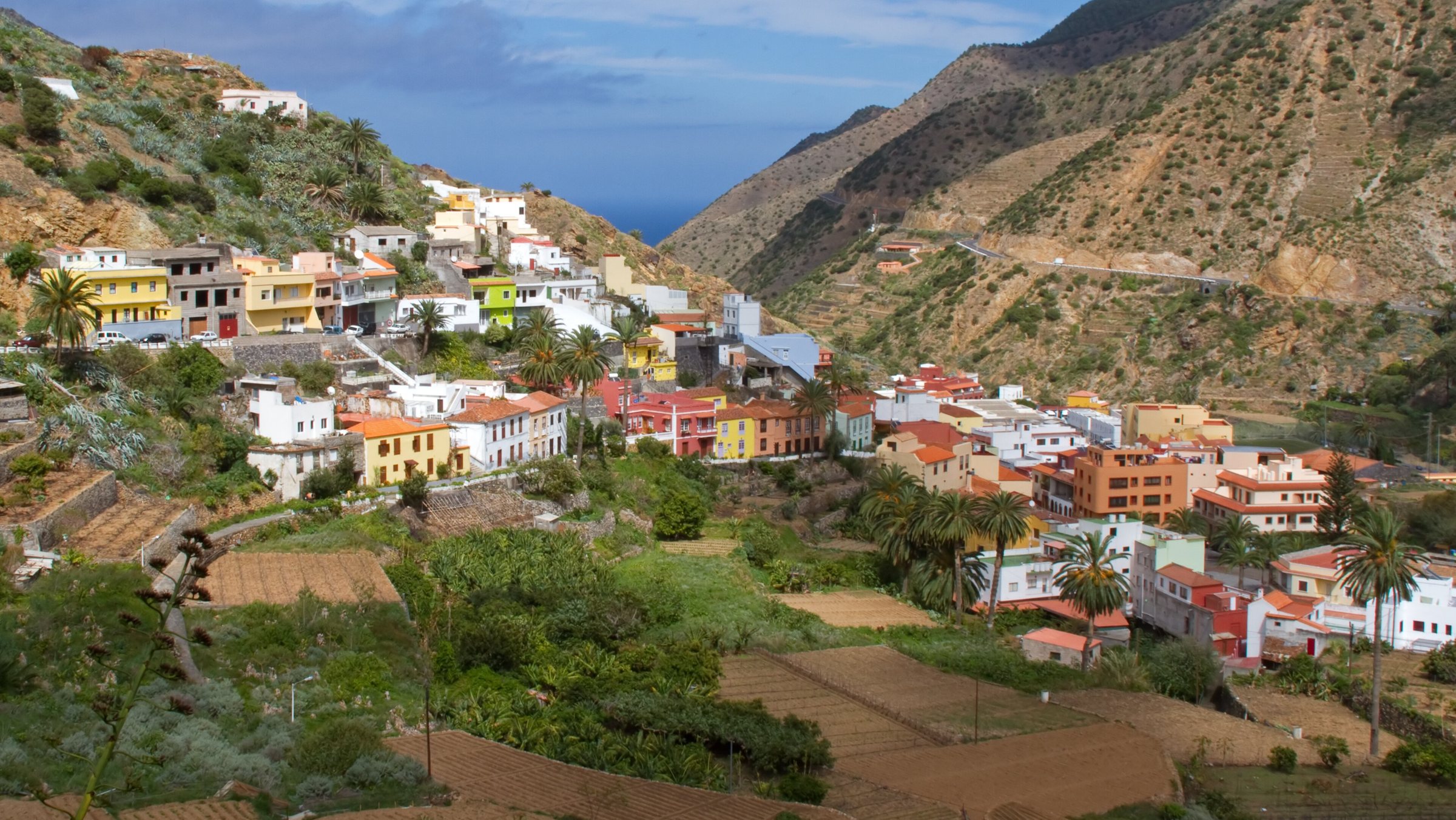
The Fiesta de Santa Lucía takes place on Sunday 13 December 2026 in Tazo, a small hamlet in the municipality of Vallehermoso in the north of La Gomera. The date is fixed, as it is the feast day of Saint Lucy, patron saint of eyes and light.
Solemn Mass begins at 13:00 in the Ermita de Santa Lucía, Tazo's village chapel. A procession with the saint's image then winds along the hamlet's traditional paths.
Two Gomeran folk instruments accompany it, the chácara and the tambor. The chácara is a large wooden percussion instrument, similar to oversized castanets, and the tambor is the Gomeran drum.
The afternoon brings the “Gran Baile”, a dance with live music that the neighbours join. According to the programme it runs into the night, but it gives no finishing time.
What does it cost to attend, and what is still unclear?
Entry is free according to the published programme, and there is no registration. The fiesta is held in the open air, so warm clothes for the evening are wise in December.
The programme did not come from the organiser, though. No official programme from the Ayuntamiento (town council), the Cabildo (island government) or the parish could be found, so the times are not independently confirmed.
Parking, shuttle buses, road closures, food and drink stalls and the names of the musicians are all unclear. Prices for food and drink are not known either.
Anyone planning the trip should ask the Ayuntamiento de Vallehermoso first. The programme gives the official website as the official website.
How do you get to Tazo?
Tazo lies in the north of the municipality of Vallehermoso and can be reached on the GM-3 from Vallehermoso. Winding side roads follow, so the programme expressly advises allowing plenty of time.
Visitors staying in the south of the island will find neither journey times nor a bus connection in the documents. There is also no official word on parking or possible closures, so driving and setting off early looks the safest option.
The Ayuntamiento de Vallehermoso most recently upgraded the access road to Tazo and Cubaba, and reports say the work finished on 31 December 2024. It included stamped-concrete paving, retaining walls, fences and improvements to the water network.
This phase cost more than 660,000 euros, and a first phase on the Epina–Tazo stretch was budgeted at 1,120,000 euros. Together that makes 1.78 million euros, but the reports do not say who paid.
Solar LED street lighting is planned for later. Whether it will be in place by 13 December is not known.
What else can you combine with the visit?
The programme suggests combining the trip with Los Órganos, Garajonay National Park or the hamlets of Alojera and Arguamul. Vallehermoso is regarded as one of the island's most extensive municipalities, and is also known for the silbo gomero, the Gomeran whistled language.
According to a walking guide, the chapel stands about 200 metres from the hamlet. It lies on the route between the Ermita de Santa Clara and Tazo, described as the “Route of the Hamlets”.
The programme dates the chapel to the 15th and 16th centuries and calls it probably one of the oldest on the island. No historical source for this could be found, so the claim stays unconfirmed.
Anyone who wants to see the fiesta should arrive before 13:00 so as not to miss the start of Mass and the procession. There is then time for a stroll through the hamlet.
Who lives in Tazo, and what happens next?
According to INE register data (from Spain's national statistics institute), Tazo had 40 residents in 2010, 48 in 2015, 53 in 2020 and 58 in 2025. For 2024 the data show 31 men and 27 women, and 24 people are aged at least 65.
Of the residents, 33 are Spanish and 25 are foreign nationals. The whole municipality of Vallehermoso had 2,932 residents in the 2021 census.
Mass, procession and dancing are also recorded for 13 December 2025, so the fiesta is nothing new. There are no visitor numbers for individual years, nor any information on who organises it.
The programme may still change. An official programme usually appears closer to the date, but no publication date is known.