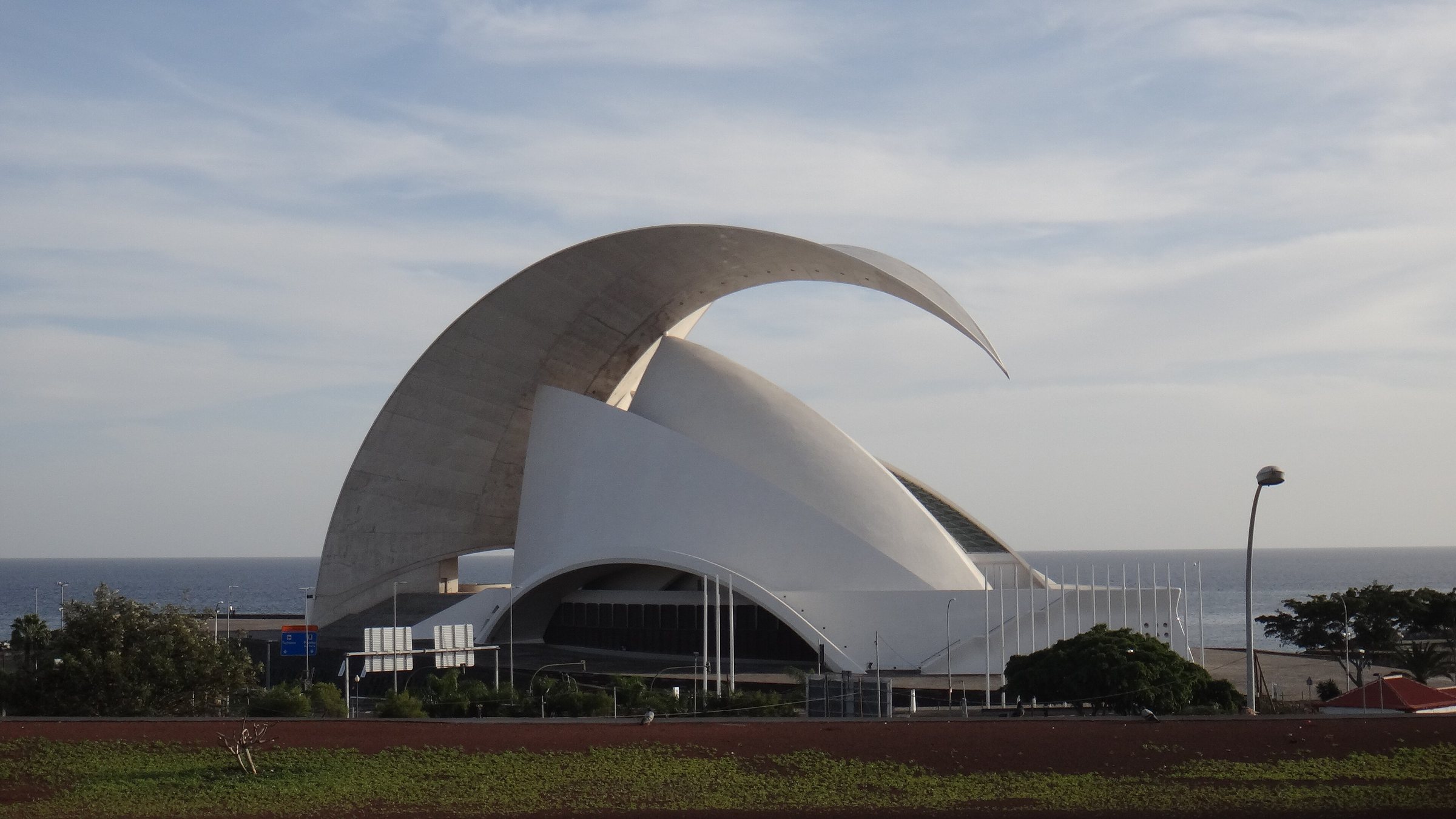
Which venues are reopening on Tenerife?
The Cabildo lowered the island emergency plan (PEIN) from “alerta” to “prealerta” on Sunday 8 November. That ends the closure of all sport and culture venues owned by the island.
The closure began at 00:00 on Sunday. It was meant to cut travel and crowds during the storm.
The Cabildo only lifts its own restrictions. Other authorities may keep theirs, and each venue sets its own opening hours.
The Cabildo did not say in its statement which halls, museums or sites in the south will reopen. Anyone planning a trip should ask the operator about opening times first.
Which hiking trails stay closed?
Tracks, trails and paths stay closed in all of Tenerife's nature reserves, and so does walking off the paths. The Cabildo cites falling rocks and toppling trees, and says the risk remains high because of the storm.
Lowering the alert does not reopen the trails automatically. Only a new resolution from the Consejería Insular (the island department in charge) lifts the ban, and no date has been set.
During the alert, hunting, canyoning, climbing and filming were also banned. The Cabildo did not say explicitly in its statement whether those bans still apply after the downgrade.
The Barranco de Masca and the Barranco del Infierno were closed during the alert. No source has yet confirmed whether they are open again, so it is worth asking the Cabildo before a visit.
What should visitors in the south do now?
The Cabildo advises against unnecessary trips through nature reserves, especially on the summits. Gusts remain a risk there, even though the weather service AEMET had no other significant warnings left for Tenerife.
In heavy seas, the authorities advise keeping away from coastal areas, piers and breakwaters. AEMET forecast waves of 3 to 4 metres on the north and west coasts.
The Cabildo recommends that Tenerife's 31 municipalities take their own precautions where needed. Residents of holiday resorts should watch for local council notices and follow the self-protection advice of Protección Civil (the civil protection service).
A beach day or a museum visit is therefore more realistic than a mountain hike. There is no date yet for tours in parks and ravines.
How badly did Bruna hit the island?
Since midnight, the emergency services have counted 16 incidents across the Canaries, most of them on Tenerife. They were mainly fallen trees, falling rocks and objects blown about, and the authorities described isolated cases of no special severity.
The strongest gust was 112 km/h at Izaña on Tenerife. On La Palma, the Roque de los Muchachos recorded 106 km/h.
Before the downgrade, AEMET had issued orange rain warnings for Tenerife, with up to 100 litres per square metre in 12 hours. They mainly covered the western and southern slopes, while the north had an orange wind warning for gusts up to 90 km/h.
According to Aena, La Palma airport diverted seven flights, three of which landed at Tenerife Sur. One person was injured on La Palma, hit by a chair blown by the wind.
What happens next with the weather and closures?
The rain was due to last on Tenerife until 18:00 on Sunday. For Monday 9 and Tuesday 10 November, AEMET's forecast of 6 November expected a temporary improvement.
From Wednesday 11 November, rain and wind could pick up again, according to AEMET and Protección Civil. Another report instead expects Bruna to weaken further from 11 November, with possible showers; both forecasts date from before the downgrade.
The Cabildo, led by president Rosa Dávila, activates and ends the PEIN on the island. The Canary Islands regional government, by contrast, sets the region's alert level based on AEMET warnings.