What changes for holidaymakers in the south?
For visitors and residents in southern Tenerife, the seven quakes of Tuesday 17 November change nothing so far. No warning, closure or new rule linked to the swarm has been reported.
In July 2026 the Canary Islands government said there were no scientific grounds to activate the volcanic traffic-light system. In August 2026 the volcano emergency committee PEVOLCA added that the conditions for orange had not been met.
The IGN's earthquake list for the Canaries and Involcan's channels show the data live. The authorities advise people to follow only official information from the regional government and the scientific observers.
When and where did the quakes happen?
The Red Sísmica Canaria (the Canary Islands seismic network) recorded seven quakes between 06:12 and 06:47. Some reports say they came within less than an hour, but the times give a window of 35 minutes.
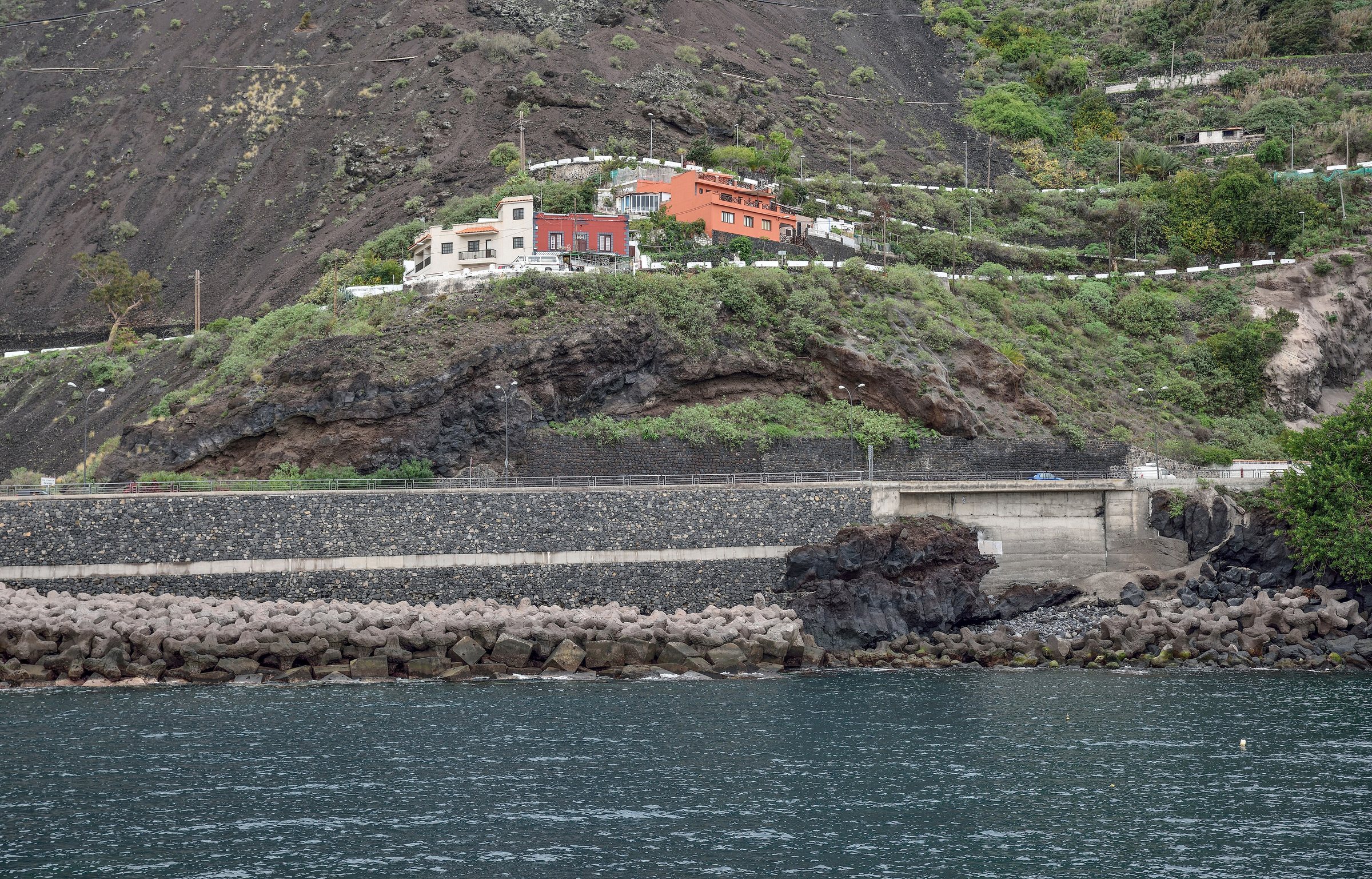
Involcan places the quakes two to three kilometres north of Icod de los Vinos, at a depth of about 14 kilometres. One report puts them out at sea off Garachico, but exact coordinates and the distance from the coast are not confirmed.
Involcan gives magnitudes of 0.8 to 1.7, while one report says the IGN measured 1.2 to 2.2, with two quakes above 2.0. Involcan and the IGN measure differently, and it is not confirmed which magnitude belongs to which quake.
How do the experts read the series?
Involcan calls activity in this part of Tenerife unusual, but says it is “in itself no sign of changes in the island's volcanic activity”. It classes the quakes as volcano-tectonic activity, which occurs regularly on and around Tenerife.
The IGN had no reports that anyone felt the quakes. No damage is known.
The authorities advise against over-reading earthquake counts. The IGN considers felt quakes possible, most likely around Las Cañadas, but not damaging, and damage would come only with a magmatic intrusion.
How active has Tenerife been since 2016?
The IGN rates Tenerife as the most active island of the archipelago, with about 1,000 to 1,200 background quakes a year. Its seismic activity is closely tied to its volcanism.
Itahiza Domínguez, IGN director in the Canaries and PEVOLCA spokesperson, said on 6 August 2026 Tenerife is “above the activity level of a year ago”. The accumulated deformation is about 2 centimetres over three years.
Shallower, clearly stronger quakes with rapid deformation would be a warning sign, and Domínguez says this is not being observed. In August 2026 PEVOLCA considered an eruption unlikely in the short or medium term.
In June 2026 the IGN recorded 79 weak quakes around Las Cañadas and one micro-quake near Icod de los Vinos, of magnitude 0.3 at 2 kilometres depth. By August 2026 Involcan had counted at least 3,300 very weak quakes, none of them felt.
Who decides on alert levels, and what happens next?
The regional government under president Fernando Clavijo decides on a higher traffic-light level. PEVOLCA is the civil protection special plan for volcanic risk in the Canaries, and the IGN monitors and advises.
The committee agreed in August 2026 to review the situation every three months. No date for the next meeting has been published, and it is unclear whether PEVOLCA or the regional government has reacted to the quakes.
Icod has seen this before: a swarm began in May 2004 and lasted into 2005. It spread across Icod de los Vinos and Vilaflor, and according to the IGN the quakes generally did not exceed 2.0 and never reached 3.0.
The Cabildo (island government) under president Rosa Dávila organised the VOLCANEX Tenerife 2026 exercise in Guía de Isora on Thursday 22 October 2026. The regional government sent three ES-Alert messages via 112 Canarias between 09:00 and 14:00, but no report on how it went exists.