What does the 11 November strike mean for visitors in the south?
The general strike lasts 24 hours on Wednesday 11 November 2026 and applies nationwide. The unions registered the call on Monday 19 October.
Disruption to transport and public services is likely, but nothing is confirmed. Minimum services, which are meant to keep a basic operation running during a strike, have not yet been published by any authority for the Canaries.
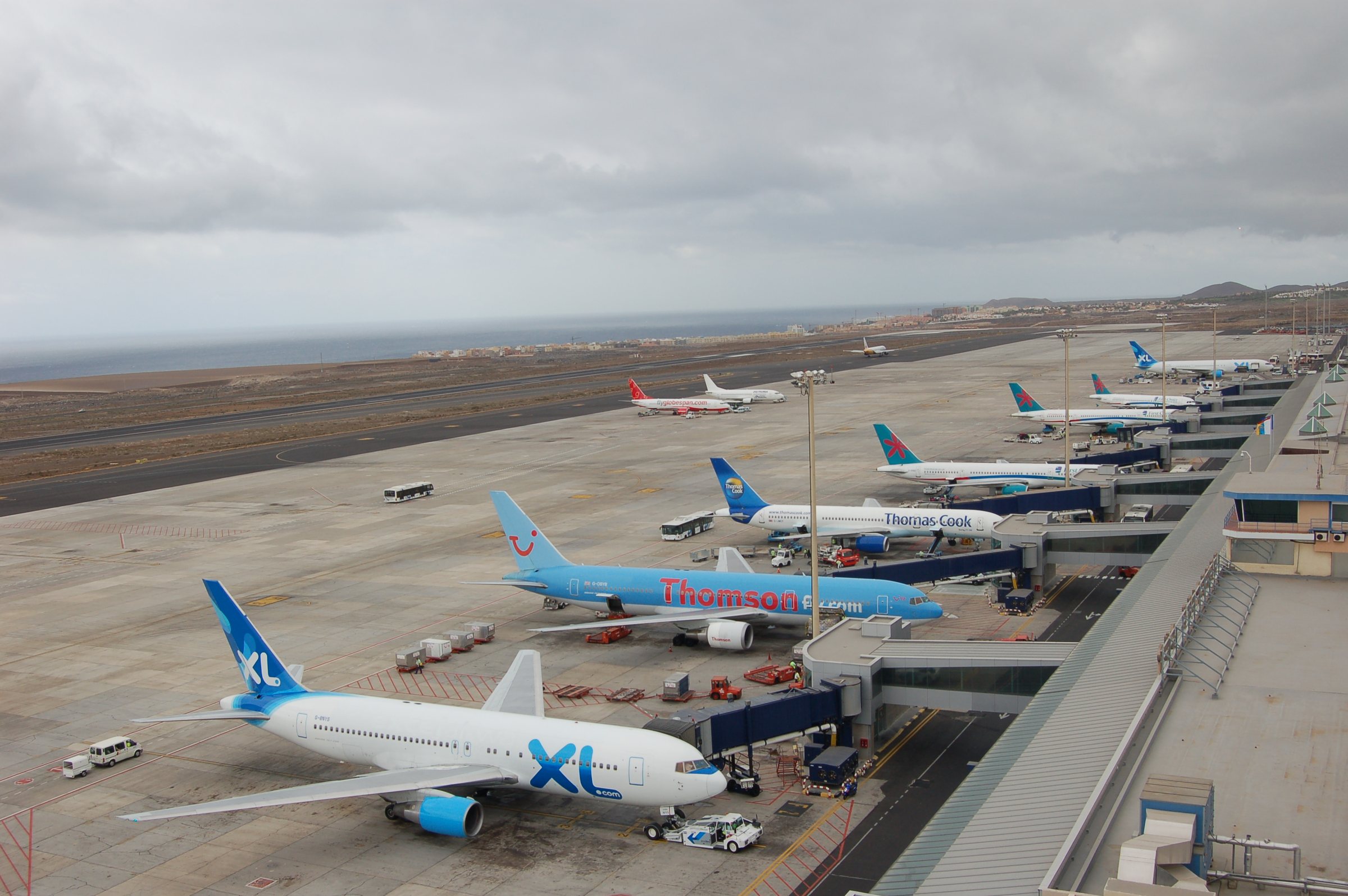
AENA, the Spanish airport operator, and the airlines have issued no statements about 11 November. Travel warnings for Spain mention possible cancellations and delays, but say nothing specific about the Canary airports.
Anyone flying on 11 November or with a booked transfer should ask their airline, car hire firm or bus operator in advance. The sources did not say whether striking staff lose pay.
Who is calling the strike in the Canaries and what do they want?
Four unions back the strike in the Canaries: UGT, CCOO, the Federación Sindical Canaria (FSC) and Intersindical Canaria. On 22 October, Vanesa Frahija (CCOO) and Manuel Navarro (UGT) urged people in Las Palmas de Gran Canaria to join in large numbers.
Nationwide, the unions demand pay rises of 4 to 7% through collective agreements and a minimum wage at least 7% higher. They also want housing costs capped at 33% of household income.
Navarro calls it clearly a labour strike, though he does not rule out a political side. Ignacio Hernández (CCOO) describes it as an action that is both a labour and a civic one.
The unions plan to register the strike with the labour authority in Santa Cruz de Tenerife and to request adequate minimum services. The reports do not say whether they have done so.
Why are housing and wages at stake?
The unions cite 211,000 empty homes in the Canaries, without giving a date. By their figures, social housing makes up only about 1% of the stock.
They say the Canaries have Spain's lowest wages, even though GDP grew by 2.85%, against 2.7% nationally. Santa Cruz de Tenerife and Las Palmas rank among the country's most expensive rental markets, they add.
A rent barometer for the third quarter puts the average rent at €1,211 a month, up 8.81% since the end of 2025. In the province of Santa Cruz de Tenerife it is €1,240, which is 13.76% more than at the turn of the year.
The province of Las Palmas follows with €1,183 and a rise of 4.23%. According to the barometer, each advert draws around 110 enquiries in its first ten days.
What about the marches by Canarias Tiene un Límite?
The headline of the Spanish report says Canarias Tiene un Límite (CTUL) is postponing its marches in favour of the strike. Our research found no statement from the platform, no new march date and no official document on the matter.
It is also unclear whether CTUL formally supports the strike. Only the four unions appear in the list of Canarian backers.
CTUL is an alliance of environmental and social groups, backed by Greenpeace, WWF, Ecologistas en Acción, Amigos de la Tierra and SEO/BirdLife, among others. Large demonstrations took place on 20 April 2024, 20 October 2024 and 18 May 2025.
CTUL calls for a tourism moratorium, an eco-tax, a halt to large projects on Tenerife, and limits on holiday rentals and new hotel licences. The Canarian government rejected the eco-tax and the project halt, and does not consider a moratorium on holiday rentals feasible.
What happens next with holiday rentals and the election?
Law 6/2025 on the sustainable regulation of holiday home use appeared on 12 December 2025 in the BOC (the Canarian official gazette), no. 246. It took effect on 13 December 2025 and replaces Decree 113/2015.
According to summaries of the law, municipalities decide how, where and how many holiday homes to allow, planned for five years. The aim is a split of 90% housing to 10% tourism.
The law's preamble says registered holiday homes rose from 38,603 in November 2022 to 48,541 in November 2023, an increase of 25.7%. The association Ascav handed Parliament 6,067 signatures for a one-year moratorium so the draft could be renegotiated.
This is the first nationwide general strike by the major unions in 14 years, and it falls two days before the official start of the election campaign. On 29 November, Spain elects a new parliament.
According to a German-language report, the unions CSIF and USO are not taking part. An unverified report says employers' leader Antonio Garamendi (CEOE) plans to challenge the strike as politically motivated by the election.