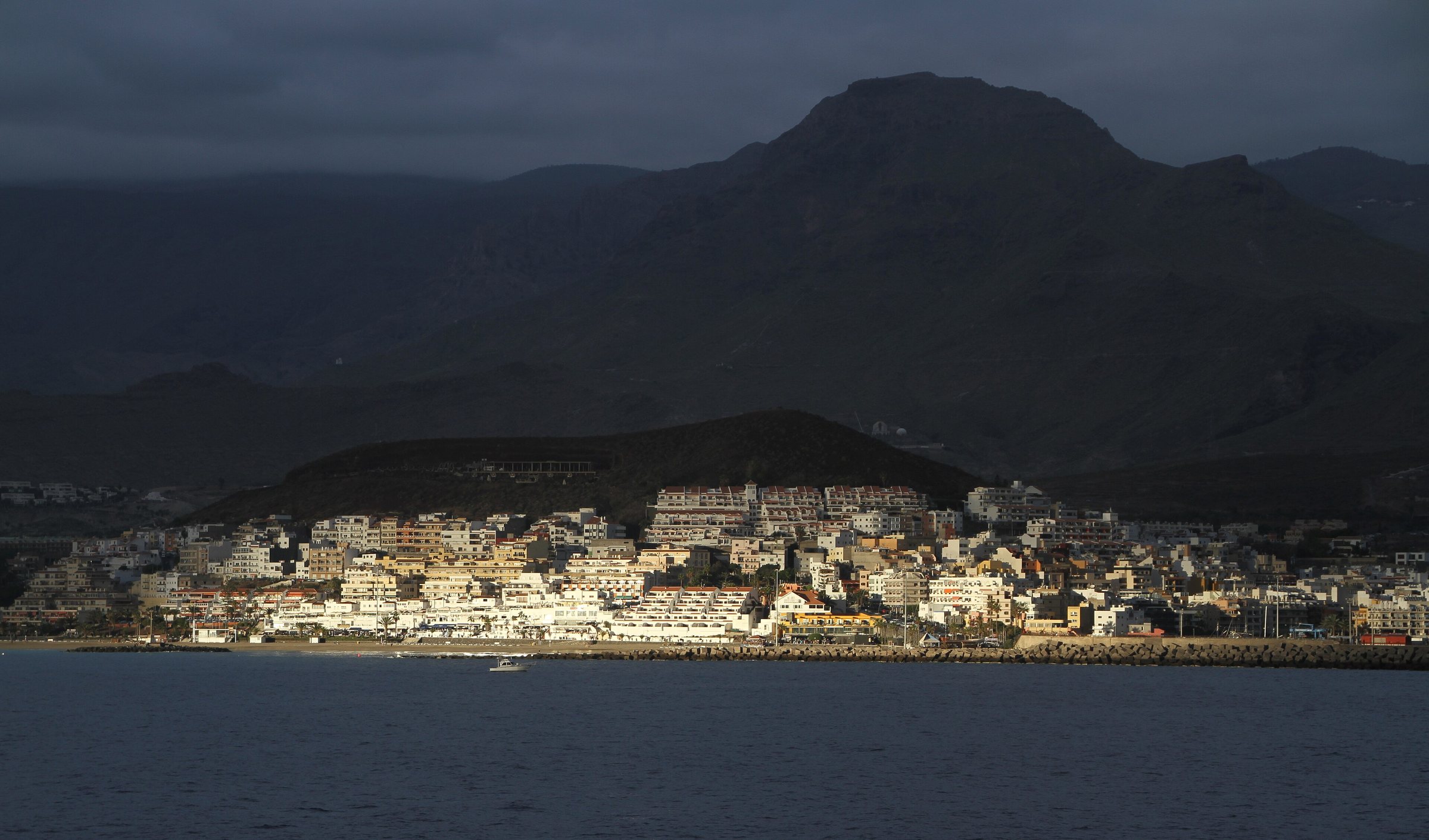
What is happening in Guía de Isora on 22 October 2026?
On 22 October 2026, Tenerife will carry out the VOLCANEX Tenerife 2026 volcanic emergency drill. The Cabildo de Tenerife and the Ayuntamiento de Guía de Isora announced the exercise jointly, as reported by Europa Press.
The focus is on evacuations, ES-Alert warnings on mobile phones, care for particularly vulnerable people, the sheltering of evacuees and the protection of critical infrastructure. Guía de Isora is classified in the island action plan as an area of very high volcanic hazard.
According to the sources, the municipality already had a municipal emergency plan (PEMU) and has expanded it. That part is tested in the drill. No activation in a real emergency is documented. No actual evacuation or general alert level on Tenerife is linked to this.
What does this mean for holidaymakers and residents?
For residents, foreign nationals and visitors, the available evidence points to no new prices, entry requirements, deadlines, access restrictions or general closures. The sources do not mention any ordered evacuation or any confirmed change in the volcanic warning signal.
Anyone in or around Guía de Isora on 22 October 2026 should expect exercise activity. This includes simulated evacuations and test warnings via ES-Alert. It is a planned drill, not a real emergency.
The exercise is intended to assess Tenerife's response capability in the event of a volcanic hazard situation.
Which municipalities are involved in the preparation?
The municipalities in the north-west of Tenerife lie in an area classified as particularly at risk in the island action plan for volcanic risks. The exercise therefore focuses on this zone.
How should the volcanic situation on Tenerife be assessed?
According to the Instituto Geográfico Nacional, Tenerife is the island with the highest recorded seismicity in the archipelago.
Activity is concentrated in volcanic zones such as Las Cañadas, Teide-Pico Viejo, Vilaflor and Izaña.
Seismic activity can be linked to volcanic reactivation, but on its own it does not prove an imminent eruption.
What remains open?
The headline of the German-language Wochenblatt, claiming that PAIV was triggered because of seismic activity, contradicts the other sources, which describe a drill. There is no official confirmation of specific closures, mandatory measures or a change in the volcanic warning signal. This would have to be published by the Gobierno de Canarias, the Cabildo de Tenerife, the affected municipalities or the IGN.
Until then, the position is this: the drill on 22 October 2026 is a planned safety measure. It is intended to prepare authorities and emergency services, not to indicate an immediate danger.