Rent swallows 31 percent of income in the Canary capital cities
Renting a home in the two Canary capitals, Las Palmas de Gran Canaria and Santa Cruz de Tenerife, takes 31 percent of a family's net income. That is the figure from portal Idealista's data for the second quarter of 2026, circulated by the Efe news agency. The share, calculated for a two-bedroom flat, sits just above the 30 percent that experts flag as the healthy ceiling.
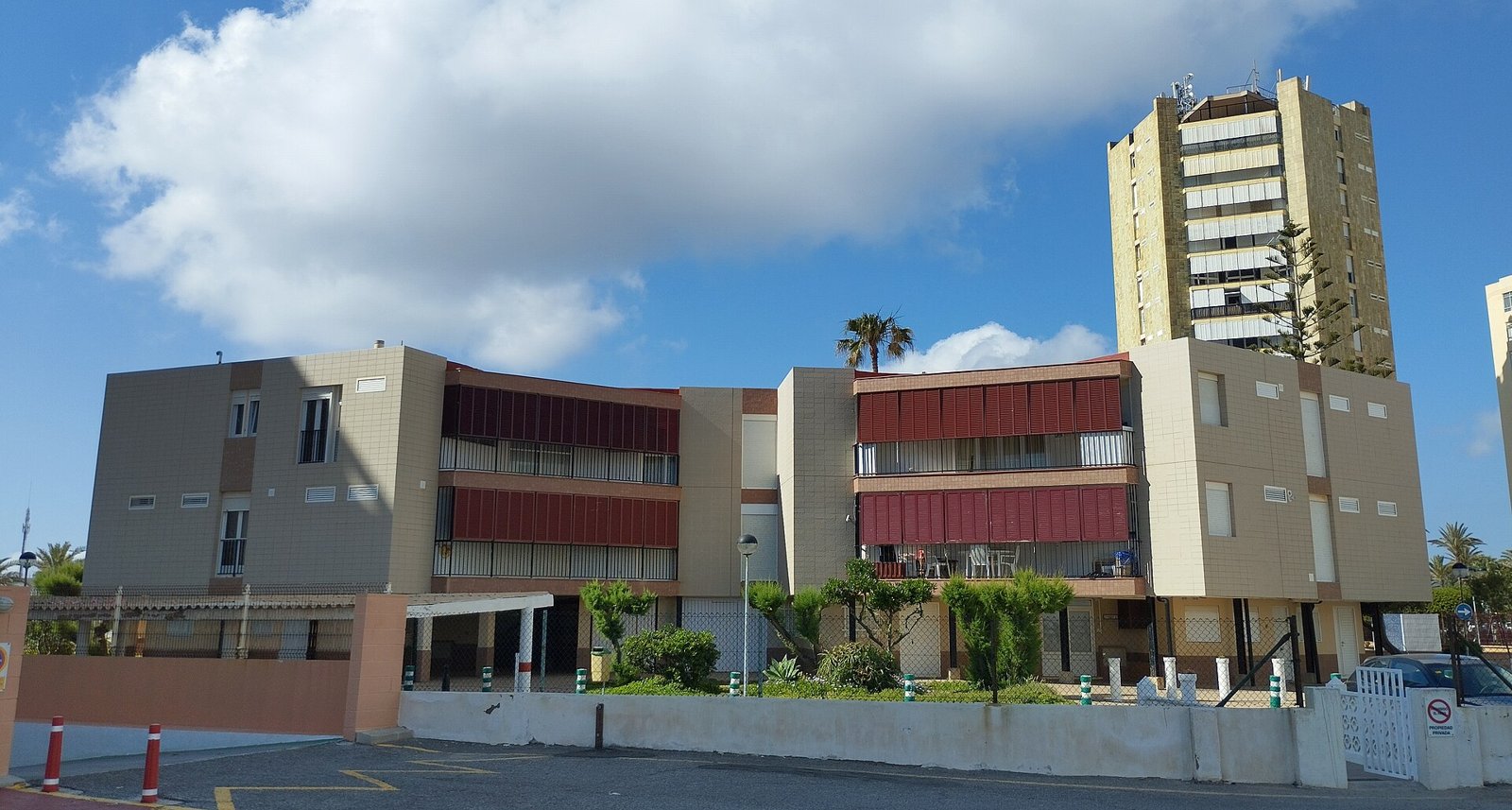
Photo: P4K1T0, CC BY-SA 4.0 (Symbolbild).
Both capitals are among nine Spanish cities that cross that threshold. The number again puts the spotlight on how much rent weighs on household budgets across the archipelago, at a time of housing strain in the Canary Islands.
What the data show
According to Idealista, the rent burden for a two-bedroom flat equals 31 percent of net family income in both Las Palmas de Gran Canaria and Santa Cruz de Tenerife. The reading refers to the second quarter of 2026 and was picked up by Efe.
In this analysis the portal gives neither a euro rent amount nor a year-on-year change for the Canary capitals, so the reference point is simply the share of income spent on the monthly rent.
What rent burden means and why 30 percent matters
The rent burden (esfuerzo in Spanish) measures the part of a household's net income that goes to housing, whether renting or buying. The higher the share, the less room is left for everything else.
The 30 percent line is the figure usually cited as a reasonable ceiling: below it, a household keeps slack for food, utilities or savings; above it, the budget comes under pressure. At 31 percent, the Canary capitals fall just on the wrong side of that line.
The national picture
Across Spain, the average rent burden stands at 39 percent of net family income, well above the healthy threshold. By city, nine exceed the 30 percent mark: Palma leads at 45 percent, followed by Málaga (40), Valencia (39), Madrid and Alicante (38 each), Barcelona and Segovia (34 each), and then Las Palmas de Gran Canaria and Santa Cruz de Tenerife at 31 percent each.
Against that 39 percent for renting, buying requires around 29 percent of income on average nationally, according to the same portal data.
Renting weighs more than buying
In terms of the monthly load, renting is now heavier than buying in the national average: 39 percent versus about 29 percent. That reverses the traditional assumption that renting always works out cheaper.
The comparison carries an important caveat: buying demands a large amount of upfront capital, between the deposit and associated costs, savings that many households do not have. The lower burden for buyers therefore does not mean it is an option within everyone's reach.
What it means for tenants in the capitals
At 31 percent, the two Canary capitals sit only marginally above the recommended threshold, far from the levels in Palma or Málaga, yet high enough to leave the family budget with barely any cushion.
For an individual household, the real weight will depend on income and on the chosen flat. The 31 percent figure is a market average and works above all as a thermometer for the pressure on renting across the archipelago.
Above that level it is worth reviewing the budget and keeping a margin for utilities, food and savings.
Key figures
- Renting in Las Palmas de Gran Canaria and Santa Cruz de Tenerife takes 31 percent of net family income, for a two-bedroom flat (Idealista, Q2 2026, via Efe)
- 30 percent is regarded as the healthy ceiling for rent burden
- Both capitals are among nine Spanish cities above that threshold
- Rent-burden ranking: Palma 45, Málaga 40, Valencia 39, Madrid and Alicante 38 each, Barcelona and Segovia 34 each, Las Palmas de Gran Canaria and Santa Cruz de Tenerife 31 percent
- National average for renting: 39 percent of income; buying around 29 percent
- No euro amounts or year-on-year change given for the capitals
FAQ
- How much does rent take in the Canary capitals?
- 31 percent of net family income for a two-bedroom flat, according to Idealista data for the second quarter of 2026 circulated by Efe.
- What does rent burden mean?
- The share of a household's net income spent on housing. 30 percent is usually cited as the healthy ceiling.
- How many cities exceed 30 percent?
- Nine Spanish cities, among them Las Palmas de Gran Canaria and Santa Cruz de Tenerife, both at 31 percent.
- Does renting or buying weigh more?
- In the national average, renting takes 39 percent of income and buying around 29 percent, though buying demands large upfront capital.
- Is the rent known in euros?
- The circulated analysis publishes no euro amounts and no year-on-year change for the capitals, only the burden share.