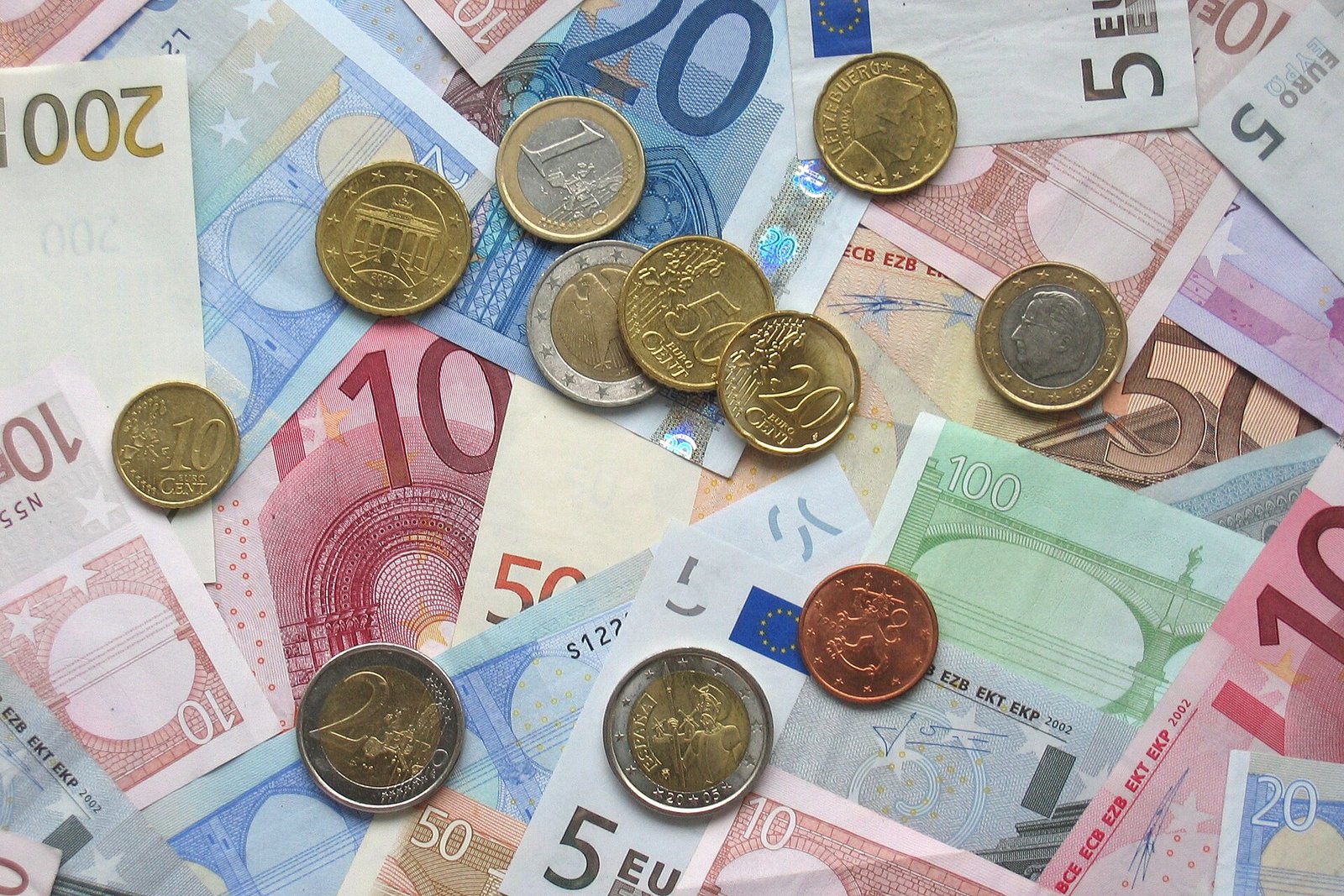
It was a moment that made many Canarians do a double-take. When the European Central Bank unveiled ten shortlisted design proposals for the next generation of euro banknotes on 23 July 2026, the familiar silhouette of the islands was nowhere to be seen on the map of Europe shown in the sketches. Social media lit up, politicians asked questions, and a small cartographic absence turned into a conversation about identity and belonging. Now, the ECB has drawn a line under the speculation: the Canary Islands will be on the new notes.
The central bank’s clarification, reported by Spanish and regional outlets citing ECB sources, is that the omission reflected the general nature of the initial design brief rather than any decision to erase the outermost regions from the finished product. The sketches were always meant to be conceptual starting points, not final maps. The islands, along with other EU overseas and outermost territories, will be added in the next phase once a single proposal is selected and adapted for real banknote production.
Two themes, one big decision ahead
The redesign of the euro banknotes is built around two thematic pillars: “European culture” and “Rivers and birds.” The ten shortlisted proposals explore these ideas through different visual languages, from portraits of cultural figures to stylised natural landscapes. The ECB opened a public survey immediately after unveiling the sketches, giving people across the euro area a chance to weigh in on which direction they prefer. That survey runs until 21 September 2026, so there is still plenty of time to have your say.
Once the consultation closes, the ECB Governing Council is expected to take the final decision on the design around the end of 2026. After that, the real work begins. According to Reuters, the ECB anticipates several years of development and testing before the new notes enter circulation. Some reports have floated a possible launch from 2027, but that timeline should be taken with a pinch of salt: the ECB itself says the official launch date will be decided later, and experience with previous banknote series suggests these things rarely happen quickly.
Why a map matters so much
For anyone living on the European mainland, a small archipelago appearing or disappearing on a banknote map might seem like a minor detail. But for Canarians, it touches something deeper. The Canary Islands are an outermost region of the European Union and a full part of the euro area, even though they sit off the coast of Africa, roughly a thousand kilometres from mainland Spain. Being shown on the map that every European carries in their wallet is a small but visible sign of recognition.
Euro banknotes have always carried a stylised map of Europe, and over the years that map has become a quiet symbol of belonging. When the sketches appeared without the islands, the reaction was swift precisely because it felt like disappearing from a common European picture. The issue is not just about cartographic accuracy; it is about identity and the sense of being “on the map” of a continent that sometimes feels far away. The ECB’s reassurance that the islands will appear in the final design has been welcomed, though the exact placement and visual treatment remain unpublished and provisional for now.
What happens next
The path from sketch to wallet is a long one. After the survey closes in late September, the ECB will analyse the feedback and prepare a recommendation for the Governing Council. The final design decision is expected around the end of 2026, but that is only the starting point. The chosen design then has to be turned into a full set of banknotes with all the security features, colour schemes, and tactile elements that make euros recognisable and hard to counterfeit.
That development and testing phase typically takes several years. The ECB has not committed to a specific launch date, and anyone who remembers the introduction of the first euro series or the later Europa series will know that central banks prefer to take their time. A cautious estimate would put the new notes in circulation sometime around the turn of the decade, though the exact timing will depend on technical progress and political approval. For now, the most important thing for Canarians is simply this: when the new notes do arrive, the islands will be there.
A wider conversation about representation
The brief controversy over the sketches has opened a wider conversation about how Europe’s outermost regions are seen, both literally and figuratively. The Canary Islands are not alone: other territories like the Azores, Madeira, and the French overseas departments also appeared to be missing from the initial sketches, and the ECB’s clarification covers all of them. The episode is a reminder that design processes can have unintended symbolic weight, especially when they involve objects as universal as banknotes.
For the Canary Islands, the reassurance from Frankfurt is welcome, but it also highlights a recurring theme in island life: the need to remind the centre that the periphery exists. The new euro notes, when they finally appear, will carry a map that includes these Atlantic outposts. Until then, the public survey offers a chance for islanders and their supporters to make their voices heard, not just about the map, but about the kind of Europe they want to see reflected in their everyday currency.
Common questions
- Were the Canary Islands deliberately removed from the new euro banknote designs?
- No. The ECB has clarified that the omission in the shortlisted sketches was due to the general nature of the initial design brief, not a decision to exclude the islands. They will be added in the final design phase.
- When will the new euro banknotes enter circulation?
- The ECB has not set a firm date. A final design decision is expected around the end of 2026, followed by several years of development and testing. Some reports suggest a launch from 2027, but this is not confirmed.
- How can I give my opinion on the new banknote designs?
- The ECB is running a public survey on the ten shortlisted design proposals until 21 September 2026. You can find it on the ECB’s official website.
- What are the two themes for the new banknote designs?
- The redesign is built around “European culture” and “Rivers and birds.” The shortlisted proposals explore these themes through different visual approaches.
- Why is being on the euro banknote map important for the Canary Islands?
- It is a symbol of representation and belonging. As an outermost region of the EU, being visible on a common European symbol like the euro banknote matters for Canarian identity.
Read on
- Canaries to Dakar: Binter direct flight, entry rules, DSSCanary Islands · 30 October
- Canaries: 211,400 homes empty as new rental scheme opensCanary Islands · 28 October
- Canary Islands 16–18 October: fiestas, concerts, partiesCanary Islands · 16 October
- Canary Islands doctors' strike extended to 10 NovemberCanary Islands · 28 October
- Canary Islands: strong calima to Wednesday, 30C in southCanary Islands · 26 October
- All events on the Canary Islands →
Stand 1 August 2026. The information is based on ECB statements and reporting by Spanish and regional media. Design details and timelines remain provisional and may change.