Tax burden in the Canary Islands: 229 days a year for the state
A Canarian works 229 days a year just to pay their taxes and social contributions, according to calculations by the Fundación Civismo, a think tank. That is about 60 percent of the working year. Only after that point do earnings begin to reach the worker's own pocket. Civismo calls this turning point the "fiscal freedom day" (Día de la Liberación Fiscal). In 2026 it fell on 18 August, two days later than the year before.
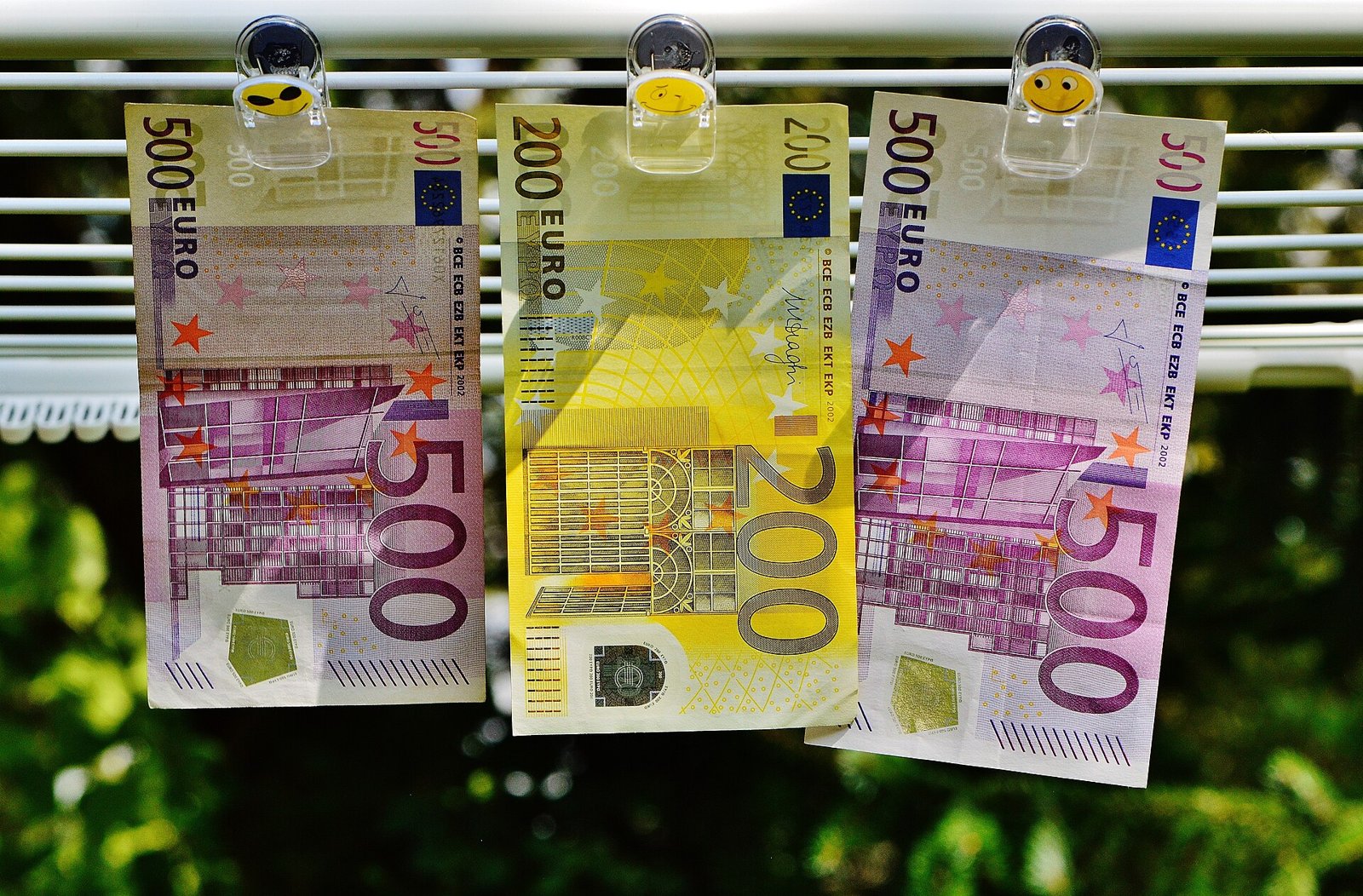
Photo: Alexas_Fotos, CC0 (Symbolbild).
The figures come from a Fundación Civismo report, reported on 19 August by the newspaper Canarias7 (Javier Sheng Pang Blanco). This is a think tank's model calculation, not an official statistic. One point matters for context: the Canary Islands come in below the Spanish average.
What the report says
According to the Fundación Civismo, an average worker in the Canary Islands has to work 229 days of the year to cover all their taxes and social contributions. That works out at roughly 60 percent of the hours worked, which on this calculation flows to the public purse.
The "fiscal freedom day" marks the date from which the remaining income goes to the worker. For the Canary Islands that was 18 August 2026, according to Civismo, two days later than in 2025. The shift points to a slightly higher tax load year on year.
How Civismo does the maths
The calculation folds in a long list of levies, according to Fundación Civismo: income tax (IRPF), social-security contributions, the Canarian consumption tax (IGIC), property tax (IBI), vehicle tax, special excise duties, municipal fees, waste charges, transfer tax and succession and gift tax.
To illustrate, Civismo offers an example: of every 100 euros in labour cost, only 58.30 euros reach the worker as net pay. A worker on 32,446 euros gross a year keeps around 24,725 euros net, while about 17,666 euros go to taxes and social contributions.
The Canaries below the Spanish average
The key point for context: at 229 days, the Canary Islands sit below the Spain-wide average of 231 days, according to Civismo, that is, two days fewer. In a comparison of Spain's regions, the archipelago comes off comparatively well rather than badly.
The report attributes this mainly to the Canarian tax system: the IGIC consumption tax is lower than mainland Spain's IVA, and there is also the special economic and tax regime known as the REF. The effective IRPF rate in the Canary Islands is 16.82 percent, according to Civismo, the fourth-lowest of Spain's autonomous communities.
A Spain-wide phenomenon
The heavy tax load is not a Canarian peculiarity but affects the whole of Spain. The nationwide "fiscal freedom day", at 231 days, actually falls slightly later in the year than in the Canaries. That the date slipped in 2026 reflects a modest overall rise in the burden.
The Canary Islands are therefore part of a national trend, but they fare better within it than most regions. The debate is less about a regional outlier than about the overall level of taxes and contributions in Spain.
What it means for households
For an individual household, the real weight depends heavily on income, spending and housing. The 229 days are an average and a vivid image, not a personal bill. Someone on a low income, or renting rather than buying, may differ considerably.
The figure works above all as a thermometer for the gap between gross labour cost and net pay. It shows how wide the distance is between what a job costs and what actually reaches the worker at the end of the month.
The 229 days are a Fundación Civismo average; your own number depends on income, spending and how you house yourself.
Key figures
- 229 days a year is what a Canarian notionally works just for taxes and contributions, about 60 percent of the working year (Fundación Civismo, via Canarias7)
- "Fiscal freedom day" in the Canaries in 2026: 18 August, two days later than 2025
- At 229 days the Canaries sit below the Spanish average of 231 days, thanks to the IGIC and the REF
- Effective IRPF rate in the Canary Islands: 16.82 percent, the fourth-lowest of the autonomous communities
- Of every 100 euros in labour cost, only 58.30 euros reach the worker as net pay, according to Civismo
- Example: 32,446 euros gross, of which around 24,725 euros net and 17,666 euros for taxes and social contributions
FAQ
- How many days do Canarians work for the state?
- According to the Fundación Civismo, 229 days a year, about 60 percent of the working year, before earnings go to their own pocket.
- When was the "fiscal freedom day" in 2026?
- In the Canary Islands it was 18 August 2026, two days later than the year before, on Civismo's calculation, circulated by Canarias7.
- Do the Canaries fare especially badly?
- No. At 229 days they sit below the Spanish average of 231, mainly thanks to the lower IGIC consumption tax and the special REF regime.
- Which taxes are counted?
- Among others IRPF, social contributions, IGIC, IBI, vehicle tax, special excise duties, municipal fees, waste charges, and transfer and succession tax.
- Is this an official figure?
- No, it is a think tank's model calculation. Some economists dispute counting employer contributions this way, so the figure is best read as an approximation.