Canary tourism: new land-use rules and a July hotel record
Canary tourism is moving on two fronts at once. On one side, the Government of the Canary Islands is preparing a new decree to regulate the use of tourist land — a text that is still a working draft and already sets owners against residents. On the other, the July figures confirm a sector in top form: the archipelago's hotels welcomed more than a million guests in a single month.
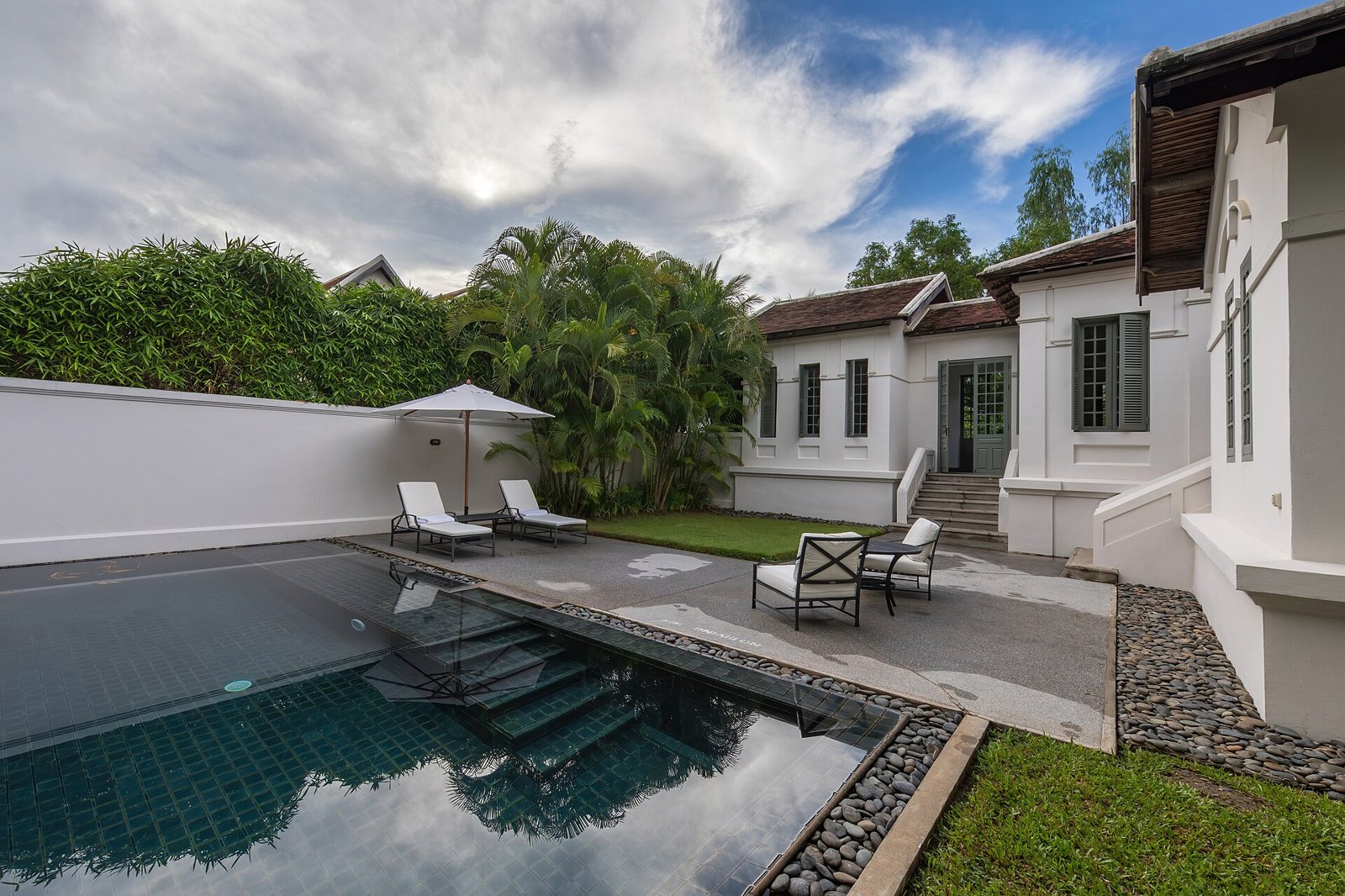
Photo: Basile Morin, CC BY-SA 4.0 (Symbolbild).
In this round-up we tie both stories together — the rules that are coming and the record numbers — and present them even-handedly, attributing every figure to its source and making clear what is still a draft and what is already published statistics.
The new draft decree and the government's stance
As RTVC reported on 25 August 2026, the Government of the Canary Islands is preparing a decree to regulate the use of tourist land. The key caveat: this is a working draft, not an approved or final text.
The government says its intention is to strictly respect the rights of current owners and residents of tourist apartments. It also points out that two existing laws already give legal protection to those who live in these apartments, so the new decree would build on that prior framework of guarantees.
Ascav demands "total freedom"; PALT defends residential use
The draft pits two opposing positions against each other. The Canary holiday-rental association Ascav (Asociación Canaria de Vivienda Vacacional), whose president is Doris Borrego, demands "libertad total" — total freedom for owners, including the right to use their properties for holiday rentals or to work with tourist operators.
Opposite stands the Platform of Those Affected by the Tourism Law (PALT, Plataforma de Afectados por la Ley Turística), led by president Maribé Doreste. It defends keeping the non-tourist (residential) status of certain properties and residents' right to residential use. The decree would have to reconcile both demands, which are hard to square.
July hotel record: guests and overnight stays
While the rule is debated, the July data show a sector at its peak. According to El Día (21 August 2026) and eldiario/Canarias Ahora, Canary hotels received 1,058,995 travellers in July 2026, clearing the million-guest mark in a single month.
The same sources put overnight stays ("pernoctaciones") in the archipelago's hotels at 6.78 million in July 2026 — up 2.39 percent year on year. The average stay stood at 6.40 days per traveller.
New hotels and jobs in the lodging sector
The upswing also shows in supply and employment. According to El Día, over the previous twelve months 39 hotels were opened or reactivated in the Canaries, and the lodging sector generated 4,722 jobs.
In total, Canary hotels employed 63,822 people, according to those same figures. These numbers help explain why regulating tourist land draws so much attention: behind it lies an economic and labour structure of real weight in the islands.
How the rules and the boom connect
The two topics touch directly. The record in guests and overnight stays shows the strength of tourism, while the draft decree tries to order on which land, and with which uses, that growth takes place — and how people who live in tourist apartments are protected.
There is no single answer: for Ascav, owners' freedom comes first; for PALT, the guarantee of residential use. This piece takes no side, but places the regulatory debate alongside figures that, for now, point to a sector that keeps growing.
Source of the draft: RTVC (25 August 2026).
The July hotel figures come from El Día (21 August 2026) and eldiario/Canarias Ahora; the draft details from RTVC (25 August 2026).
Facts and figures
- The Government of the Canary Islands is preparing a decree on the use of tourist land; per RTVC (25 August 2026) it is a working draft, not an approved text.
- The government says it will respect owners' and residents' rights and cites two laws that already protect those living in tourist apartments.
- Ascav (president Doris Borrego) demands "total freedom"; PALT (president Maribé Doreste) defends residential use.
- In July 2026, Canary hotels received 1,058,995 travellers (El Día; eldiario/Canarias Ahora).
- They recorded 6.78 million overnight stays, up 2.39 percent year on year; average stay 6.40 days.
- Over twelve months, 39 hotels were opened or reactivated and 4,722 jobs were generated; the sector employed 63,822 people.
FAQ
- Is the tourist-land decree already in force?
- No. According to RTVC (25 August 2026) it is a working draft, not an approved or final text.
- What does the government say about owners and residents?
- That it will strictly respect their rights, and it notes that two laws already protect those who live in tourist apartments.
- What is the difference between Ascav and PALT?
- Ascav demands "total freedom" for owners, including holiday rentals; PALT defends keeping the residential use of certain properties.
- How many travellers did the hotels receive in July?
- 1,058,995 travellers, with 6.78 million overnight stays (up 2.39 percent year on year), according to El Día and eldiario/Canarias Ahora.
- How many hotels and jobs lie behind those figures?
- Over twelve months, 39 hotels were opened or reactivated and 4,722 jobs generated; the sector employed 63,822 people, with an average stay of 6.40 days.
Read on
- Canary Islands on 13 Oct: fiestas, opera and storytellingCanary Islands · 13 October
- Grandchildren’s Law: vote suspended for 163,020, report saysCanary Islands · 13 October
- Canary Islands: Tourism Jobs Hit a Record High in July 2026Canary Islands · 28 August
- Canary Islands in July 2026: the only Spanish region with fewer foreign visitorsCanary Islands · 6 September
- Canaries 12 Oct: Pilar fiestas, Fetish Pride, DJ brunchCanary Islands · 12 October
- All events on the Canary Islands →