What changes for passengers in the Canary Islands?
For residents registered in a municipality of the Canary Islands, free access to buses and the tram on Tenerife is expected to continue in 2026. The subsidy secures the free multi-journey cards and season tickets for public, land-based collective transport.
The available sources do not mention any new prices, additional access requirements, changes to cards or new deadlines for passengers. Anyone already using a valid multi-journey card or season ticket does not need to do anything as things stand.
For tourists and people not registered in the Canary Islands, the subsidy creates no entitlement to free travel. The sources do not mention any change to the standard fares for occasional passengers.
Which forms of transport are affected?
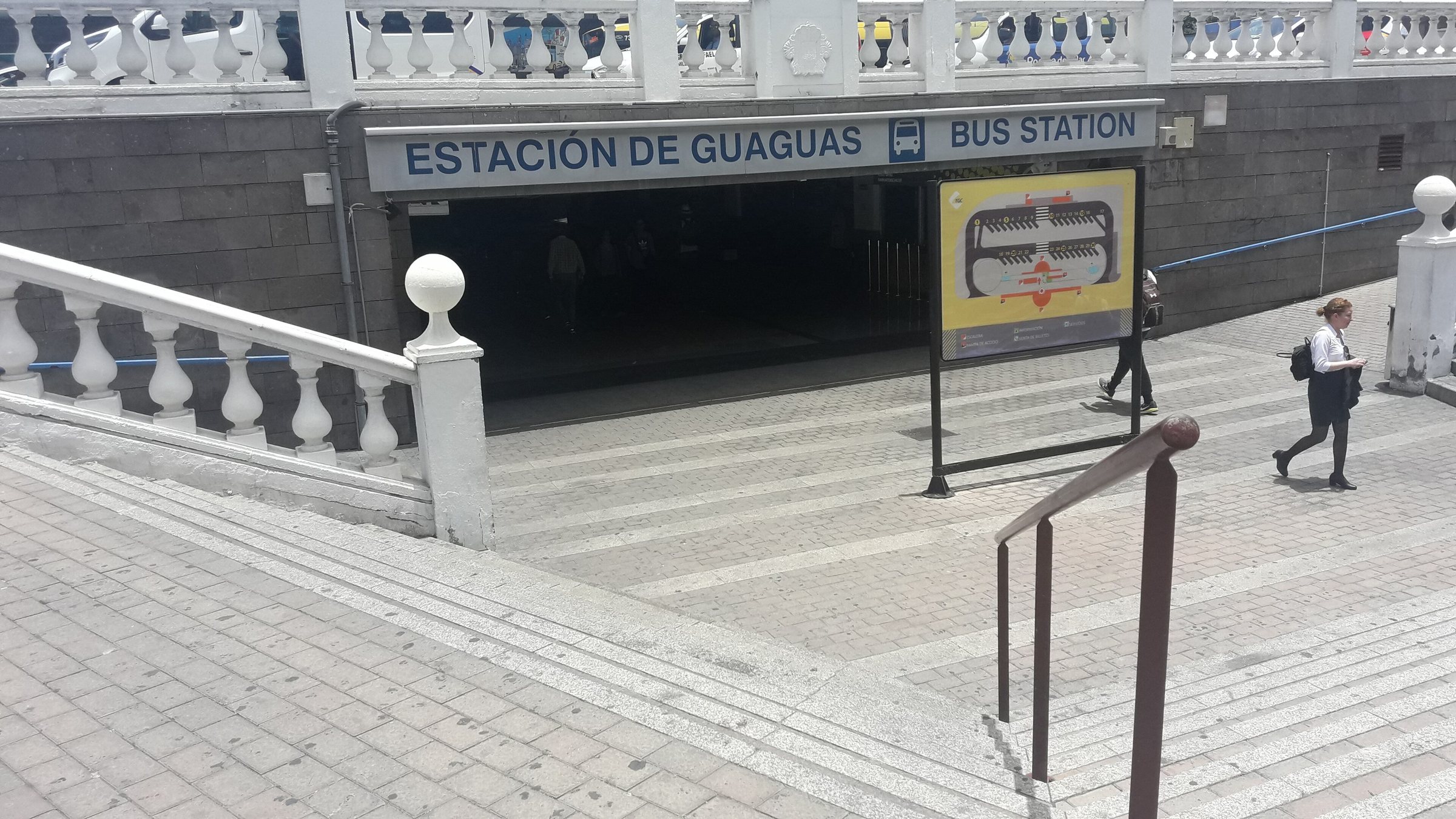
In practice, the funding mainly affects the guaguas, the scheduled buses on all seven islands, as well as the tram on Tenerife. The term public, land-based collective transport covers these systems.
The subsidy is awarded by the Ministerio de Transportes y Movilidad Sostenible to the Canarian government. The latter manages the funds and must subsequently justify their use.
No specific date has yet been given for the distribution of funds to individual islands, transport authorities or operators. The cabildos, the island governments, and the operators accredit the implementation and manage the systems locally.
How does the process work?
The published report does not give a specific date of entry into force for these deadlines. It is therefore not possible to calculate either the final application date or the exact date of payment from the available information.
It remains open when the royal decree will come into force, when the Canarian government will submit the application and when the 47.5 million euros will actually be paid out.
Why is the Canarian government asking for more money?
The Canarian government says the previous funding may not be enough to cover the actual costs, given increased operating costs and higher demand.
The Council of Ministers has approved exactly 47.5 million euros for 2026, the same sum as for 2025.
The 47.5 million euros is part of a nationwide package totalling 363.7 million euros for public transport in Madrid, Barcelona, Valencia and the Canary Islands in 2026. This total amount also matches the 2025 figure.
What costs are actually incurred?
The state's original forward planning for the Canary Islands was 81 million euros. It was later increased to 120 million euros. Of this, 78 million euros was paid for 2025, and 42 million euros is still outstanding for 2025.
The Gobierno de Canarias states that the increase in demand has brought the annual cost of free travel to around 140 million euros for all the administrations involved. The gap between funding and actual costs therefore remains.
What is still open?
The sources give no date for the entry into force of the royal decree. The timing of the Canarian government's application and the actual payment of the 47.5 million euros has also not been published.
It also remains unclear whether free travel will be extended beyond the season tickets mentioned. The available information contains no new rules for passengers.
For residents and holidaymakers, nothing changes in terms of access as things stand: anyone who is registered and uses a multi-journey card continues to travel free. Everyone else pays the standard fares.