What is planned for 24 October?
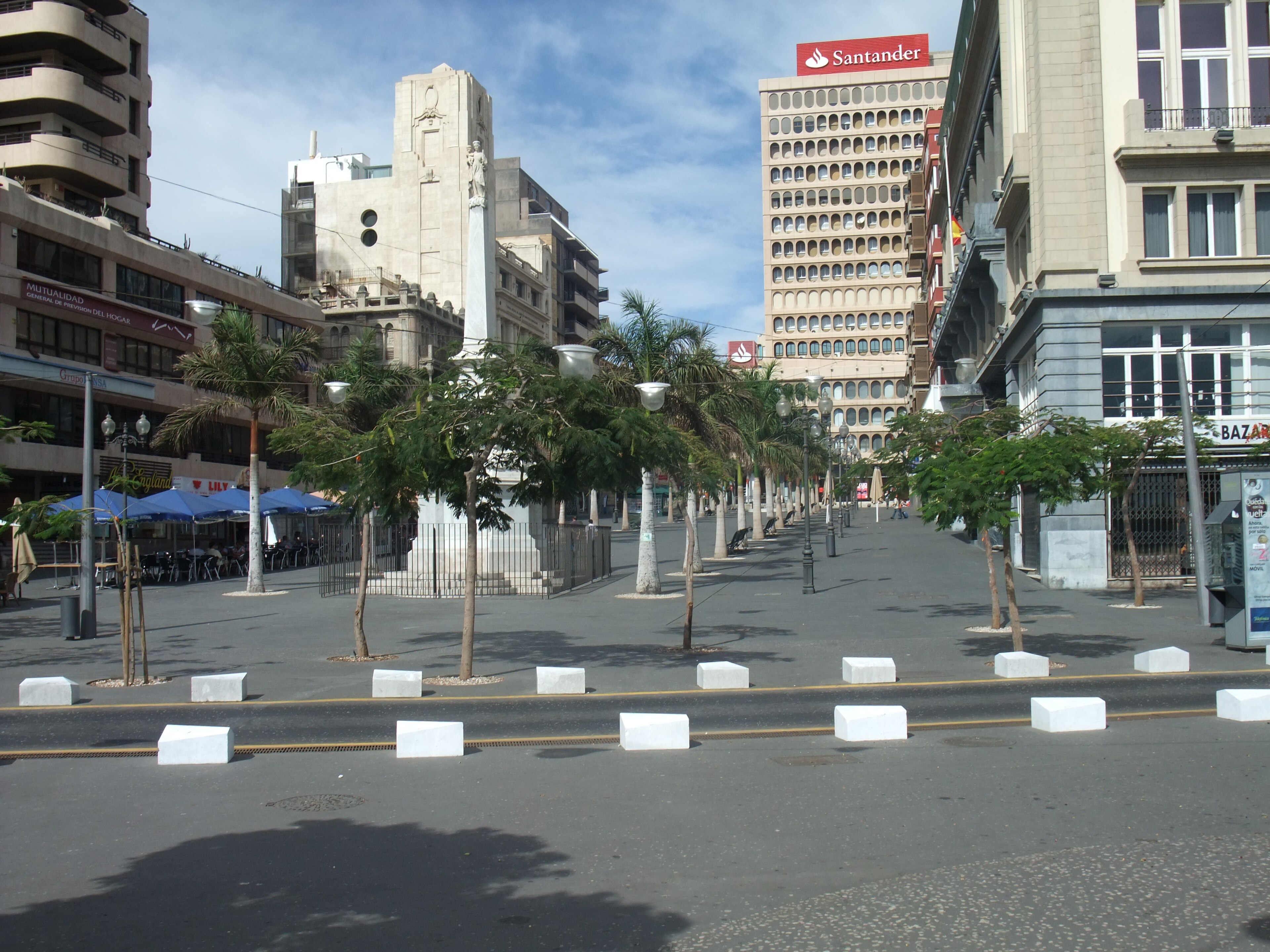
A rally is announced for the Canary Islands at 11:30 on Plaza de La Candelaria in Santa Cruz de Tenerife. The Asociación para la Defensa de las Pensiones Públicas de Canarias is listed as the organiser.
In Madrid, the national demonstration is due to start at 12:00 from Atocha.
What are the groups demanding?
The Confederación de Sindicatos de Inquilinas plans to join the pensioners' demonstration. It wants wages and pensions to recover their purchasing power and housing costs not to be swallowed up by further increases.
The pensioner organisations are calling for adequate pensions and a minimum pension set at the level of the minimum wage. They also want certain reductions for long contribution records to be scrapped and the public pension system to be protected.
What do the protests mean for residents and expats?
The sources do not mention any agreed price changes, new rent rules, application deadlines, closures or restrictions for visitors. The groups' demands are political proposals and do not automatically become law.
Young tenants do have an existing form of support: the Bono Alquiler Joven 2026–2027 from the Canary Islands housing agency ICAVI. It is aimed at people aged 18 to 35 and is worth up to 250 euros a month.
In total, the grant pays up to 6,000 euros in 24 monthly instalments. Requirements include residence in Spain, a tenancy agreement for a main home in the Canary Islands and 2025 income of no more than three times the IPREM.
The application window ran from 18 September to 8 October 2026, inclusive. The maximum rent is 900 euros a month per home, or 450 euros for a room.
What rules apply to protected rental homes?
Canary Islands housing law is shaped by state and regional rules. Ley 2/2003 de Vivienda de Canarias regulates protected housing, access conditions and public renting.
For protected rental homes, the monthly rent can be capped according to income. The current version of Decreto-ley 1/2024 provides that rent for certain protected rental homes may generally be no more than 20 percent of monthly household income.
Decreto-ley 1/2024 came into force on 20 February 2024 and changed the Canary Islands framework for housebuilding, social rented housing and special forms of accommodation. Grants, rent reductions or a temporary suspension of payment are possible.
Private tenants also have a Canary Islands income tax deduction. It is generally 20 percent of the rent paid for a main home, up to 600 euros a year, subject to the income and other conditions set by law.
What support is available for pensioners?
For recipients of a non-contributory old-age or disability pension in the Canary Islands, the responsible body is the Consejería de Bienestar Social, Igualdad, Juventud, Infancia y Familias. The specific office in charge is the Dirección General de Servicios Sociales e Inmigración.
The Autonomous Community can grant a supplementary top-up to recipients of non-contributory pensions. People resident in the Canary Islands who continue to meet the social security conditions are generally eligible.
Ley 5/2022 on the Canary Islands minimum income takes pensions into account when assessing a person's financial situation. It also provides a housing cost top-up for certain households receiving the Canary Islands citizens' income or the state minimum income.
What happens after 24 October?
The groups are linking the mobilisation to an announced general strike on 11 November 2026. The issues are housing, wages and the cost of living.
Still unknown are the number of participants, the concrete impact of the protests on traffic or shops and any political reaction. The sources gave no details on these points by Friday.