You might think a day at the beach means a choice between soggy sandwiches from a cooler or a heavy, fried lunch that leaves you needing a siesta. But according to Spanish nutritionists and media reports, the classic chiringuito menu is full of opportunities for a fresh, light, and genuinely healthy meal. The secret isn't about strict denial; it's about navigating the menu like a local who knows what to look for. The grilled fish, the simple salads, the chilled soups—these are not just side dishes, they are the stars of a smart, seaside feast.
The typical Canarian beach bar offers a perfect foundation for this. Our local cuisine is built on fresh fish, quality olive oil, and sun-ripened vegetables. By making a few conscious choices, you can enjoy a long, lazy lunch with your feet in the sand and still feel light and energized for an afternoon swim. It’s about understanding which classic dishes are naturally lighter and how to structure your meal so you can have your (sugar-free) cake and eat it, too.
The Lightweight Champions of the Chiringuito Menu
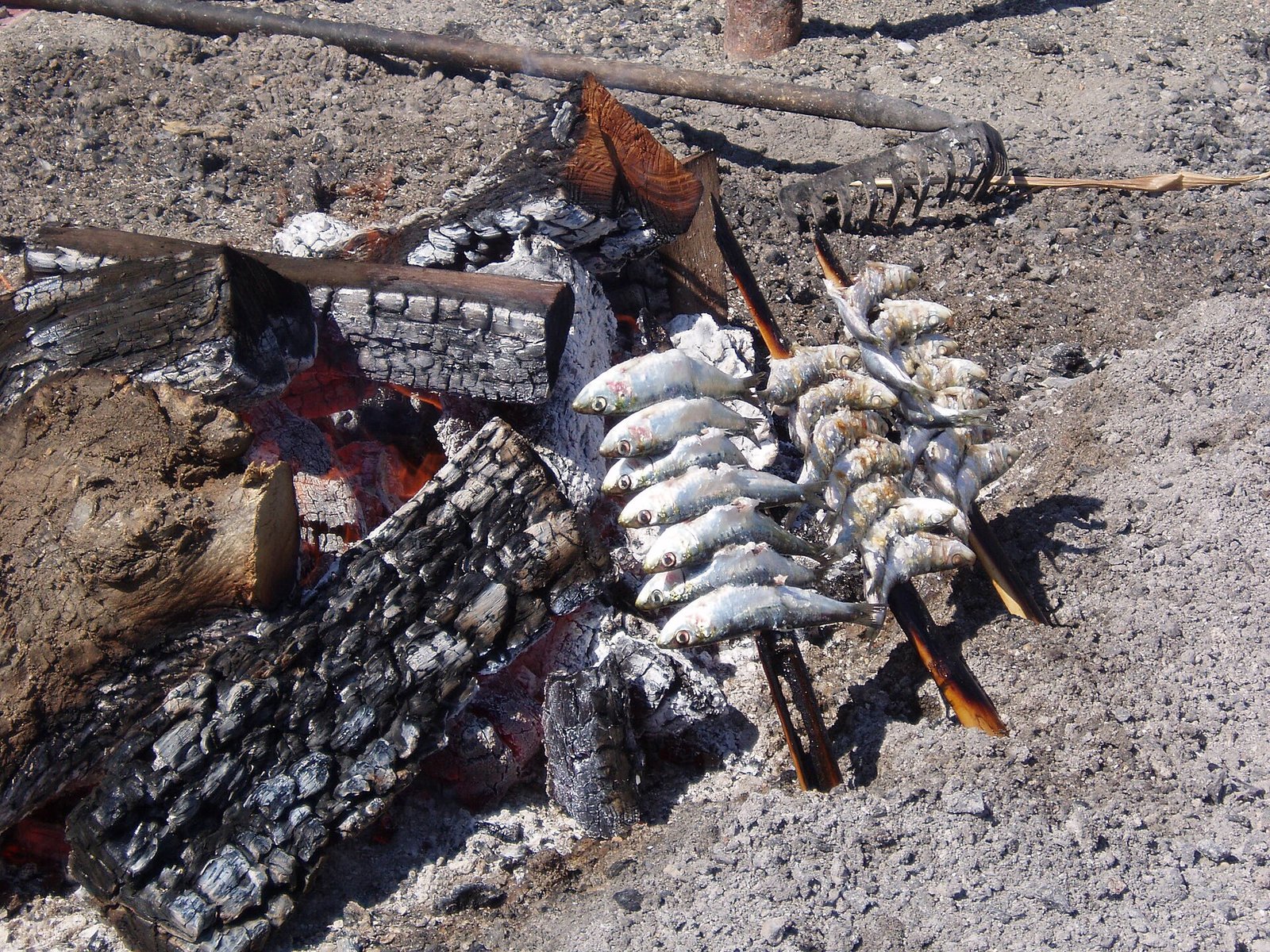
When you scan the menu, your eyes should go straight to the sections featuring the ocean’s bounty. Nutritionists consistently recommend prioritizing **grilled fish and seafood**. Think of a perfect plate of sardines cooked over an open flame, a fresh tuna steak, or tender octopus. The key is in the cooking method: "a la plancha" (grilled), "al vapor" (steamed), or "cocido" (boiled) are your best friends. A zesty seafood salad (salpicón de mar), steamed mussels with a simple vinaigrette, or grilled prawns are cited as excellent, healthy examples. The goal is to enjoy the pure flavor of the sea without the heavy coating of a deep fryer.
Before you even get to the protein, set the stage with vegetables. This is a non-negotiable step for building a balanced plate. Start your meal with a large, colorful salad or a refreshing bowl of gazpacho. These dishes are not just healthy sides; they are strategic tools. They're packed with water to help with hydration, rich in fiber, and they begin to fill you up, making it easier to manage the richer dishes that might follow. The classic Andalusian gazpacho, a star on any chiringuito menu, is celebrated by experts as a perfect starter: a cold soup full of antioxidants that is as refreshing as it is nutritious.
How to Build Your Perfect Beach Plate
Nutritionists featured in the Spanish press focus less on banning specific foods and more on the architecture of your meal. The structure is simple and follows a Mediterranean logic. First, fill half your plate—or make your first course—a generous serving of vegetables. This could be that gazpacho, a "parrillada de verduras" (grilled vegetable platter), or a simple green salad. This vegetable base should be the most abundant part of your entire lunch.
Next, add your protein. This is where the grilled fish, seafood, or a simple chicken skewer comes in. The advice is to keep it simple and clean. Finally, if you're having a paella, some Canarian "papas arrugadas" (wrinkled potatoes), or bread, think of them as the final quarter of your plate. A practical visual guide for a dish like paella is to make vegetables half the plate, protein a quarter, and the rice the remaining quarter. This approach helps moderate the meal's overall impact without sacrificing the joy of a classic seaside dish.
The Art of Sharing: Tapas and Raciones
Chiringuitos are social places, and the food is designed for sharing. This can be your secret weapon for a balanced meal. Instead of ordering one large, heavy dish for yourself, embrace the tapeo culture with a strategy. If you're eating solo, a combination of three small tapas can create a perfect, varied meal: one vegetable-based (like hummus with crudités or stuffed mushrooms), one protein-based (grilled sardines or a chicken skewer), and one with healthy carbohydrates.
When you're with a group, the real magic happens. The most effective tactic is to order a couple of shared vegetable dishes for the center of the table—a large ensalada mixta or some grilled vegetables—and then add the more indulgent items like fried squid or a seafood paella for everyone to share. The crucial step is to serve yourself a small portion on your own plate rather than eating directly from the communal dishes. This simple act of mindfulness lets you taste all the classic chiringuito flavors without accidentally overdoing it on the heavier options.
What to Drink (and What to Sip Slowly)
On a hot day by the sea, it’s easy to confuse thirst for hunger. The unanimous advice from experts is to make water your first and primary drink. Start with one or two glasses when you sit down to properly quench your thirst before moving on to anything else. This simple habit can transform how you experience your meal.
Beyond water, there are plenty of refreshing options that align with a balanced day. A chilled gazpacho or tomato juice, sparkling water, non-alcoholic beer, or cold herbal teas are all excellent choices. This isn't about a strict ban on alcohol or sugary drinks; a cold beer or a summer cocktail is part of the holiday spirit. The key is to not use them to quench your thirst and to enjoy them in moderation as a complement to the meal, not the main source of hydration. Smoothies made from whole fruits can be a nice treat but should be seen as a food rather than a drink due to their sugar content.
Common questions
- Is it really possible to eat healthy at a chiringuito?
- Absolutely. The menu is full of naturally healthy options like grilled fish, salads, and gazpacho. The key is choosing these as your main dishes and enjoying fried foods in moderation.
- What is the single best dish to order for a light lunch?
- A plate of grilled fish or seafood, like sardines or octopus, paired with a large mixed salad or a serving of gazpacho, is a perfect, balanced choice.
- How can I avoid overeating when sharing lots of dishes?
- Use the "small plate" strategy. Serve yourself a small portion of each shared dish onto your own plate instead of eating directly from the main serving dishes.
- What should I drink with my meal at the beach?
- Start with a large glass of water to hydrate. Afterwards, you can enjoy a non-alcoholic beer, sparkling water, or a cold infusion, leaving alcoholic or sugary drinks for a single, savored treat.
- Can I eat paella and still keep my meal balanced?
- Yes. The trick is portion control and plate composition. Fill half your plate with salad or vegetables, a quarter with the paella, and the remaining quarter with the seafood or protein from the dish.
Read on
- Canary Islands 21 October: fiestas, concerts and partiesCanary Islands · 21 October
- Canary Islands 20 October: fiestas, concerts and partiesCanary Islands · 20 October
- Tenerife: Playa de las Teresitas beach guideTenerife · 4 October
- Playa del Inglés: the big Gran Canaria beach guideGran Canaria · 4 October
- Canary Islands 19 October: Michael show, Periplo, San RafaelCanary Islands · 19 October
- All events on the Canary Islands →
Stand 22 July 2026. This article summarizes general nutritional advice from Spanish media and experts, applicable to a typical Canarian chiringuito experience.