Something special has happened in the historic heart of La Mancha. A theatre company from the Canary Islands has stepped onto one of Spain's most revered stages, the Corral de Comedias in Almagro, and, by all accounts, has walked away with a triumph. While the specific details of the production and the company's name are still emerging from the festival's closing days, the news has already sparked a wave of pride across the islands. It is a story that shifts the narrative, proving that the Canaries export not just sunshine and spectacular landscapes, but also profound artistic excellence.
The Festival Internacional de Teatro Clásico de Almagro is not just any festival. For nearly half a century, it has been the undisputed reference point for classical theatre in Spain, a gathering place where the texts of the Golden Age are brought to life with fresh vision. To succeed here is to be recognized at the very highest level of the country's theatrical landscape. For a company from the Canary Islands, performing on this stage is a powerful statement: that the islands are a vital, creative force in the nation's cultural conversation, not a distant archipelago on the periphery.
A Festival Steeped in History
The 49th edition of the festival, running from 2 to 26 July 2026, continued its proud tradition of blending the classic with the contemporary. Festival organisers have long emphasised a dialogue between the revered texts of the 16th and 17th centuries and the new languages of modern staging. This year was no different, with a programme designed to open classic works to new aesthetics and wider audiences. It is within this prestigious and demanding context that the Canarian company made its mark.
The festival annually attracts tens of thousands of spectators, with recent editions surpassing 70,000 attendees. More than just a public event, it is a crucial meeting point for the industry. Critics, theatre programmers, festival directors from across Spain, and cultural institution leaders all descend on Almagro. A strong reception here is not just about applause; it is about visibility in front of the very people who can transform a regional production into a national phenomenon.
The Magic of the Corral de Comedias
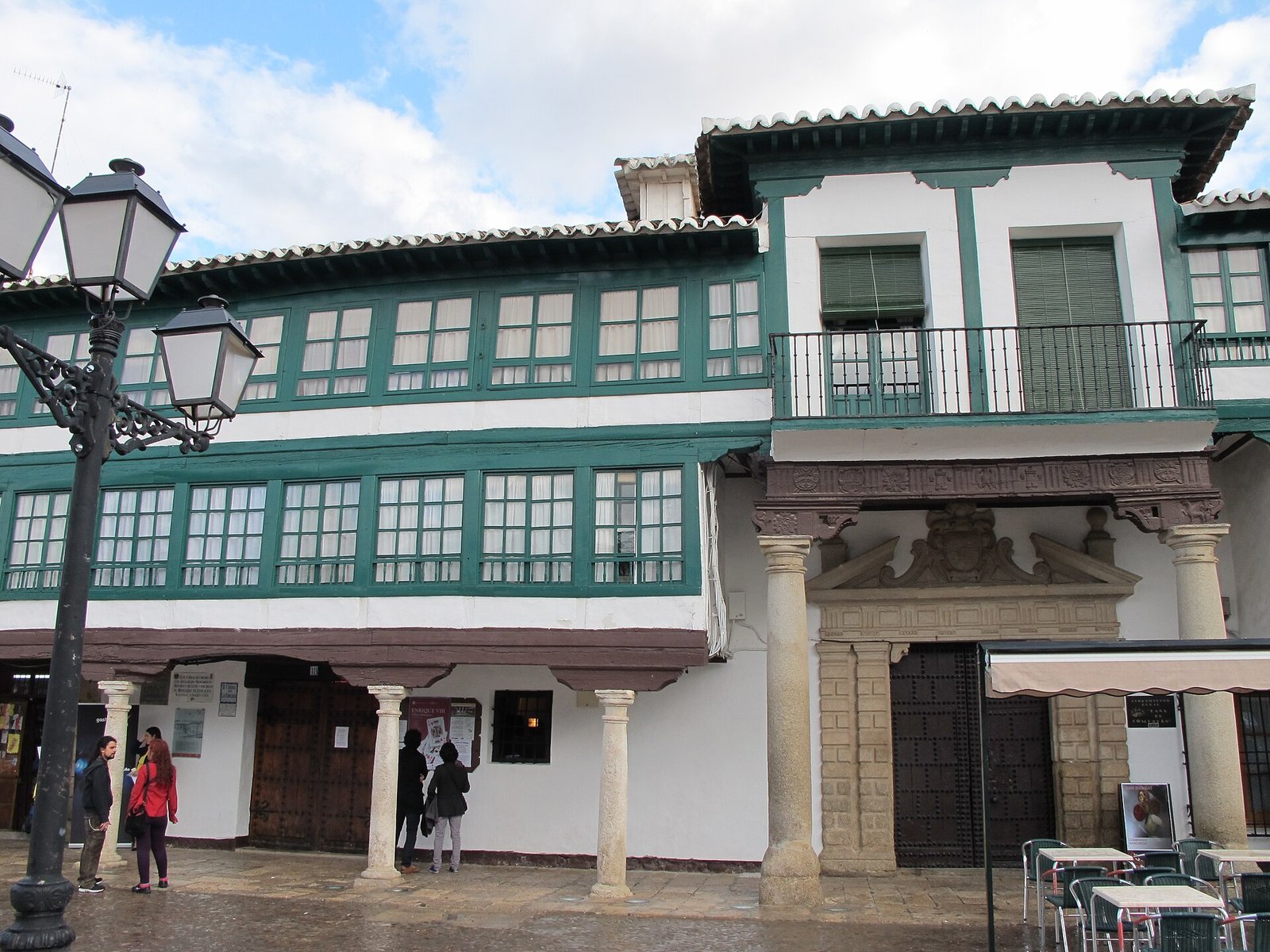
The significance of this achievement is magnified by the venue itself. The Corral de Comedias de Almagro is a living monument. Built in 1628 in the town's Plaza Mayor, it is the best-preserved example of a 17th-century *corral de comedias*—the open-air courtyard theatres that were the public stages of Spain's Golden Age. To perform here is to literally walk in the footsteps of history, on the very kind of stage for which Lope de Vega, Calderón de la Barca, and Tirso de Molina wrote their masterpieces.
For Canarian artists, stepping onto these ancient wooden boards is a profound homecoming to the source of the Spanish theatrical tradition. It connects their contemporary interpretation directly with four centuries of performance history. The connection is palpable, both for the actors and for an audience that is deeply knowledgeable and passionate about this repertoire. A triumph in this space is not easily won, which makes the reported success all the more resonant.
From Island Stage to National Spotlight
While the exact tour schedule remains to be confirmed, the path from a successful run in Almagro to a national tour is a well-trodden one. The festival acts as a powerful springboard. A production that generates buzz here often finds itself fielding invitations from municipal theatres in major cities, other prestigious festivals, and cultural circuits that span the entire country. For a Canarian company, this represents a breakthrough moment, a chance to share their artistic vision with audiences from Madrid to Barcelona, Bilbao to Seville.
This journey is about more than just one production. It is a beacon for the entire Canarian cultural sector. It demonstrates that the high-quality training, creative energy, and unique perspective nurtured on the islands can compete and captivate on the most demanding national stages. The success sends a message back home: that a career in the arts can have a national and international horizon, starting from a base in the Atlantic.
A Moment of Island Pride
Beyond the professional implications, there is a deep well of cultural pride in this moment. The Canary Islands have a rich, distinct identity, and seeing that identity represented at the symbolic heart of Spanish classical theatre is powerful. It is a reminder that the islands are an integral part of the nation's cultural fabric, contributing to its most cherished traditions while also bringing a fresh, Atlantic breeze to them. The company's work carries the voice of the islands into a centuries-old conversation.
As the final applause fades in Almagro, the anticipation begins. The theatre community and audiences across Spain will be waiting to see where this Canarian triumph travels next. For now, it is a moment to celebrate a significant artistic victory, one that puts the talent, dedication, and creative spirit of the Canary Islands firmly in the national spotlight. The details of the production and its upcoming journey will soon become clear, but the headline is already written: a company from the Canary Islands has conquered Almagro.
Common questions
- What is the Festival de Almagro?
- It is Spain's most important classical theatre festival, held annually in Almagro, Ciudad Real, focusing on works from the Golden Age and beyond.
- Why is the Corral de Comedias so special?
- Built in 1628, it is the best-preserved 17th-century open-air theatre in Europe and a symbolic home for Siglo de Oro plays.
- Has a Canarian company performed there before?
- While specific historical records vary, the festival regularly features companies from across Spain, and a Canarian presence is a significant marker of the islands' artistic vitality.
- What does a "national tour" typically involve?
- It usually means a series of performances in major city theatres and other cultural festivals across mainland Spain, often supported by public cultural bodies.
- Where can I find confirmed tour dates?
- Once finalized, dates will be published by the theatre company, the festival, and in cultural agendas in both the Canary Islands and mainland Spain.
Read on
- Canary Islands: Sunday power price falls just 1.82%Canary Islands · 25 October
- Canaries: Sunday over 30C and calima – affected areasCanary Islands · 25 October
- Canary Islands: Clásico on 25 October, Barça favouritesCanary Islands · 21 October
- Canary Islands hotels to open free heat refugesCanary Islands · 25 October
- Canary Islands: house prices up 108%, wages only 30%Canary Islands · 25 October
- All events on the Canary Islands →
Stand 26 July 2026. Details of the production and tour are based on initial reports and are subject to official confirmation by the company and festival organisers.