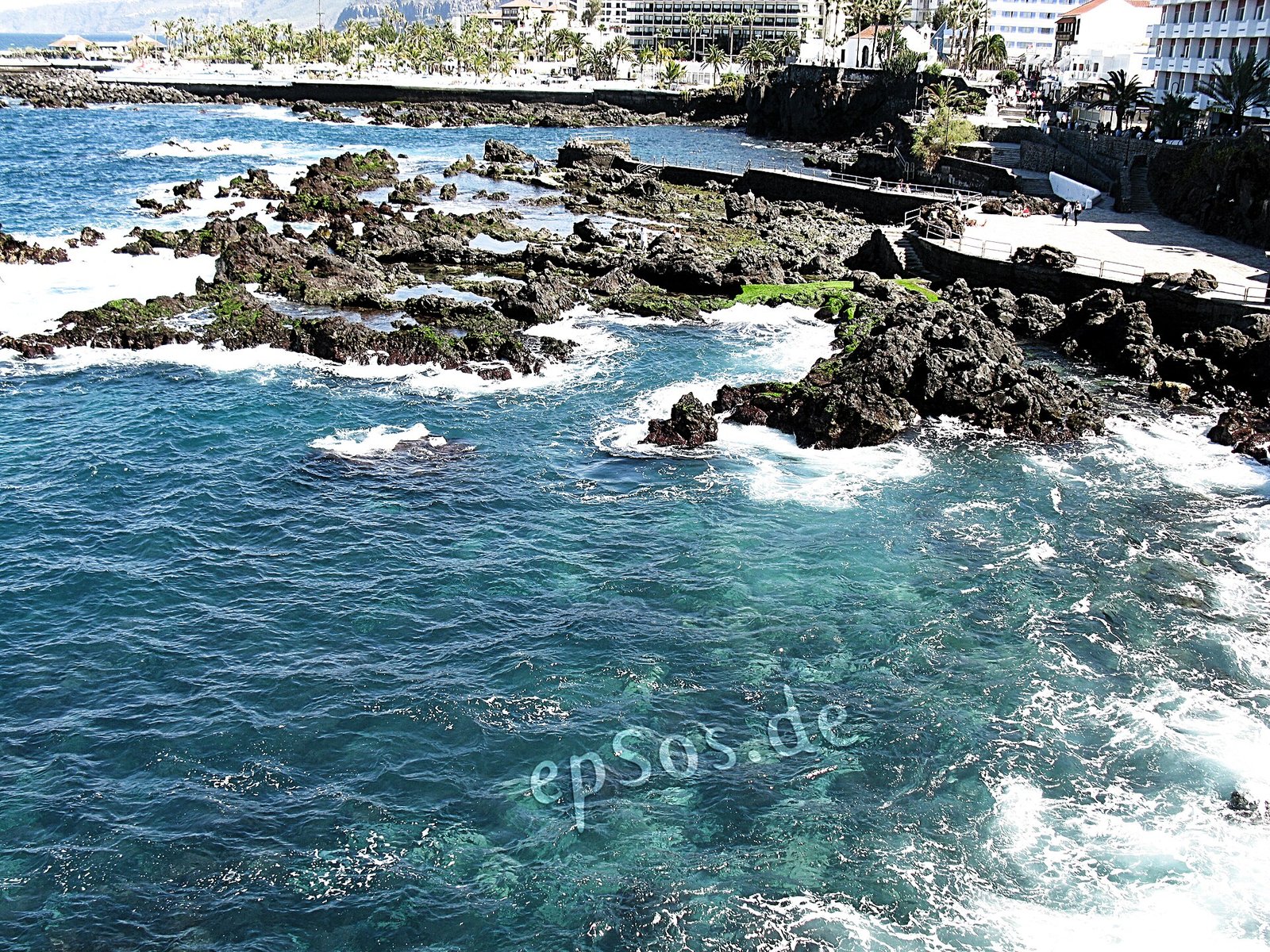
It is a frustrating paradox of island life: the vast Atlantic is right on your doorstep, the sun is shining, but a red flag flutters on the sand, forbidding you from taking a dip. For many residents and visitors in the Canary Islands, this has become an episodic reality. The issue of coastal water pollution has made headlines, sparking concern among tourists, digital nomads, and expats who came here for the ocean lifestyle. But before you cancel your beach day, it is crucial to understand that this is not an archipelago-wide crisis. The problem is largely tied to specific, known trouble spots, often flaring up after heavy rain or infrastructure failures, while vast stretches of the coastline remain perfectly safe and boast excellent water quality.
The root of the issue lies not in the open ocean, but on land. The primary culprit is untreated or poorly treated wastewater. Official figures point to a staggering 403 land-to-sea discharge points across the islands, with 216 of these lacking proper authorization according to a 2025 census update. Tenerife has the highest number of these discharge points, with Gran Canaria coming in second. When ageing or insufficient sanitation infrastructure fails, or when illegal discharges occur, fecal bacteria can contaminate specific bays and beaches, leading to temporary bathing bans. It is a serious infrastructure challenge that local authorities are under pressure to fix, but it is not a sign that every cove is polluted.
The Usual Suspects: Where Closures Happen Most
If you follow the local news, certain names pop up repeatedly. In Tenerife, the picturesque Playa Jardín in Puerto de la Cruz has been a high-profile case, suffering extended closures due to persistent fecal contamination. The southern part of the island also has its problem zones, with beaches like Los Charcos, El Bloque, and Acapulco facing repeated temporary bans after water-quality tests failed. On Gran Canaria, the eastern and southeastern coasts are the most affected. A significant contamination episode linked to a marine event near fish-farm areas led to closures at multiple beaches, including Melenara, Salinetas, Aguadulce, Ojos de Garza, and Tufia, as well as several bathing spots in the municipality of Mogán. Lanzarote has not been immune either, with urban beaches like El Reducto in Arrecife and Playa Dorada in Playa Blanca having been closed due to elevated bacterial readings.
The scale of these events can sometimes feel dramatic. In one particularly bad period, more than a dozen beaches were closed in under a month: two in Lanzarote, ten in Gran Canaria, and one in Tenerife. In Tenerife, the beaches of Guanches and Olegario in Candelaria were also temporarily shut after routine sampling failed to meet standards. These clusters of closures understandably create a worrying impression, but they are typically short-term reactions to specific pollution events, not permanent conditions.
The Bigger Picture: Why You Should Not Panic
It is easy to read a list of closed beaches and assume the worst, but that would be a mistake. The Canary Islands remain a premier beach destination, and the overall picture is far from bleak. The archipelago still proudly flies 47 Blue Flag awards in 2025, an internationally recognised certification that demands rigorous and consistent water quality, safety, and environmental management. This means dozens of beaches are not just "probably fine"—they are independently verified as excellent. For instance, even as other Gran Canaria beaches faced closures, tests at Playa de Vargas came back with an "excellent" water quality rating. The key takeaway is to treat this as a site-specific, temporary issue rather than a blanket condemnation of Canarian waters.
Authorities are not ignoring the problem. The immediate response to a contamination event is a standard protocol: temporary bathing bans, the raising of red flags, and intensified water testing until levels return to safe limits. In the longer term, there is a clear, albeit slow-moving, push to upgrade the islands' creaking sanitation systems. The island government of Tenerife has announced a multi-year investment plan of more than €80 million specifically for wastewater and sanitation upgrades. This is a recognition that the current infrastructure, built for a smaller population, is struggling under the weight of modern tourism and residential growth.
How to Be a Smart and Safe Swimmer
You do not need to become a water-quality scientist to enjoy the sea safely. A little bit of local awareness goes a long way. Make it a habit to check the latest bathing-water notices for your intended beach. Many municipalities post updates online, and physical signs and flags on the beach are your most immediate source of truth. A red flag is non-negotiable; it means do not enter the water. The same goes for any official sign indicating a temporary bathing ban. It is also wise to avoid swimming for at least 24 to 48 hours after heavy rainfall, as runoff can temporarily overwhelm drainage systems and wash pollutants into the sea, even at normally clean beaches.
When you want a higher-confidence option, especially if you have young children or are a less confident swimmer, simply choose a Blue Flag beach. This single decision filters for beaches with not only good water quality but also lifeguard services and clean facilities. Finally, trust your senses. If you see a visible discharge pipe, an oily sheen on the water, excessive foam, a foul odour, or water that simply looks murky and fecal, do not go in. The ocean is a powerful and beautiful force, and with a little common sense, you can enjoy it safely across the vast majority of the Canary Islands’ stunning coastline.
The Path Forward: Investment and Vigilance
The tension between a tourism-dependent economy and the environmental cost of that success is at the heart of this issue. The images of closed beaches are bad for business and worse for the marine ecosystem. The pledged investment of over €80 million in Tenerife is a significant step, but environmental groups and local platforms continue to push for faster action and greater transparency, arguing that these are not isolated episodes but symptoms of a chronic infrastructure deficit. The 216 unlicensed discharge points are a stark statistic that underscores the scale of the regulatory and engineering challenge ahead.
For you, as a visitor or new resident, this means staying informed is your best tool. The situation is dynamic, with beaches closing and reopening as conditions change. By understanding that the problem is concentrated in specific areas and often linked to rainfall or known infrastructure failures, you can plan your beach days with confidence. The vast majority of the Canarian coast is waiting for you, clean, blue, and utterly inviting. Do not let the headlines keep you from the water; just learn to read the signs, both literal and figurative, and you will find your perfect swimming spot.
Common questions
- Are all beaches in the Canary Islands polluted?
- No, the problem is highly localised. The islands still have 47 Blue Flag beaches with excellent water quality, and most beaches are safe for swimming.
- What causes the beach closures?
- The main cause is wastewater and sewage discharges from failing or insufficient sanitation infrastructure, sometimes worsened by heavy rain.
- Which island has the most problems?
- Tenerife is the most frequently cited island, with high-profile closures in Puerto de la Cruz and the south, and it has the highest number of discharge points.
- Is it safe to sunbathe on a closed beach?
- Often yes, as a bathing ban usually only prohibits entering the water. However, you must always check the specific details of the local order posted at the beach.
- How can I know if a beach is safe before I go?
- Check online for local bathing-water notices, look for Blue Flag status, and upon arrival, observe the flag color and any official warning signs.
Read on
- Canary Islands: time difference, clocks and calima guideCanary Islands · 19 October
- Canary Islands 19 October: Michael show, Periplo, San RafaelCanary Islands · 19 October
- A caiman in La Isleta: why 20,000 captured snakes are the real storyCanary Islands · 14 September
- Canary Islands Beach Accessibility Still Lags: Only 33 of 350 AdaptedCanary Islands · 9 August
- Canary Islands 17 October: festivals, concerts and partiesCanary Islands · 17 October
- All events on the Canary Islands →
Stand: 20 July 2026. This article summarises local reporting on beach closures and does not provide real-time safety advice. Always check official local notices and flag systems before entering the water.