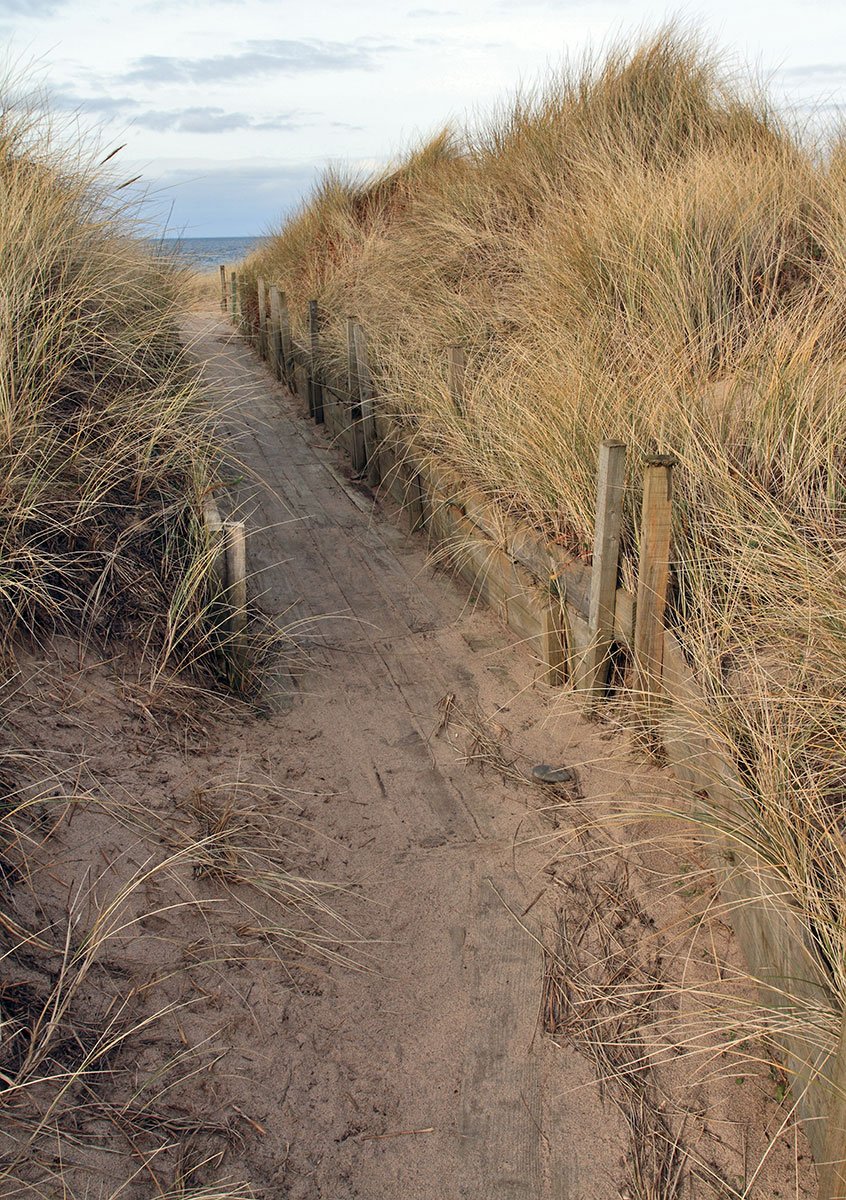
It’s a familiar image: the sun-drenched Canary Islands, golden sand, and the gentle sound of waves. For many, it’s the ultimate escape. But for a visitor or resident with a wheelchair, a walking frame, or another mobility challenge, that postcard scene can feel like a locked door. The official tourism websites speak confidently of an accessible destination, yet the numbers on the ground tell a more sobering story. The gap between the promise and the provision is still wide, particularly outside the main resorts.
This isn’t about a lack of will. Many coastal towns have made genuine efforts. The issue is consistency. A ramp might lead you to the promenade, but stop short of the water’s edge. An amphibious chair might be available, but only during the peak summer months when a specific lifeguard is on duty. For a truly inclusive experience, a beach needs a chain of accessible features, and if one link is broken, the whole experience can fall apart. We’re looking at where things stand, what a properly adapted beach actually looks like, and where you can find them.
The Reality Behind the Brochures
The archipelago boasts around 350 bathing zones, from bustling urban beaches to wild, volcanic coves. Of these, only about 33 are considered fully adapted. This figure highlights a significant gap. The accessible beaches are overwhelmingly concentrated in the main tourist hubs and urban centres, where the investment and visitor numbers justify the cost. This leaves large stretches of coastline, often the most beautiful and unspoiled ones, effectively off-limits to a significant portion of the population.
Official tourism bodies frame the islands as broadly accessible, and in the core resorts, this is often true. You will find dropped kerbs, accessible promenades, and adapted hotel rooms. But disability-focused groups and local sources paint a more nuanced picture. They point out that accessibility varies wildly from one municipality to the next. A state-of-the-art facility in the south of Tenerife doesn't help someone in a less-developed part of La Palma. The goal of inclusive tourism, where a person with motor, visual, intellectual, or hearing disabilities can enjoy a full and spontaneous experience, is still a work in progress.
What Makes a Beach “Adapted”?
It’s easy to think a simple wooden walkway over the sand does the job, but a truly adapted beach is a carefully thought-out ecosystem. The features that define a gold-standard accessible beach go far beyond a single ramp. They are designed to provide autonomy and dignity, allowing someone to get from the car park or bus stop all the way into the sea with minimal barriers.
The checklist includes, first and foremost, a continuous, obstacle-free path from accessible parking or public transport right onto the sand. This often involves firm, non-slip walkways. Then come the water-specific aids: amphibious chairs and crutches that can float and move on sand, transfer hoists for safely moving from a wheelchair into a water chair, and dedicated assisted-bathing areas with trained staff. Crucially, the support infrastructure must be in place too, including fully adapted changing rooms, toilets, and showers. Without these, a day at the beach becomes a logistical challenge rather than a relaxing break.
Shining Examples: Las Canteras and Las Vistas
To see the concept done right, you only need to look at two flagship urban beaches. Las Canteras in Gran Canaria and Las Vistas in Tenerife are frequently cited as benchmarks for accessibility in the archipelago. They demonstrate what is possible when a local authority makes inclusion a priority, combining physical infrastructure with human support services.
At Las Canteras, the long, sweeping promenade is a model of accessibility, with multiple access points featuring ramps directly onto the sand. The beach offers amphibious chairs, adapted toilets, and, crucially, professional assistance during the summer season. Similarly, Las Vistas in the south of Tenerife goes a step further with a dedicated assisted-bathing area. Here, you’ll find a transfer hoist, specialised staff, and amphibious chairs, creating a safe and supported environment. These two beaches show that the technical and logistical hurdles are not insurmountable; they are a question of sustained investment and political will.
The Path to a Truly Inclusive Coastline
The current situation is a classic tale of two Canaries: one that is hyper-accessible and welcoming in its tourist heartlands, and another that remains challenging for anyone with a disability. Bridging this divide is the next great challenge for the islands’ tourism model. It’s not just about installing more ramps; it’s about a shift in perspective, from seeing accessibility as a box-ticking exercise for a few beaches to treating it as a fundamental design principle for the entire coastline.
The benefits are not just social but economic. Accessible tourism is a growing and loyal market. Travellers with disabilities often travel with companions and stay longer, representing a significant opportunity. The islands have the climate and the natural beauty. What they need now is a more even distribution of the thoughtful, practical infrastructure that makes a day at the beach a reality for everyone. The 33 adapted beaches are a vital starting point, a proof of concept. The task ahead is to multiply that number, ensuring that the promise of an accessible paradise is one the Canary Islands can keep, from the golden sands of Maspalomas to the wild shores of El Hierro.
Common questions
- How many beaches in the Canary Islands are fully accessible?
- Out of roughly 350 bathing zones, only about 33 are currently considered fully adapted for people with reduced mobility.
- What features define a fully adapted beach?
- Key features include accessible parking, non-slip walkways onto the sand, amphibious chairs, transfer hoists, adapted toilets and changing rooms, and assisted-bathing services.
- Which is the best accessible beach in Gran Canaria?
- Las Canteras beach in Las Palmas is a leading example, offering ramps, amphibious chairs, adapted toilets, and professional assistance in the summer months.
- Are accessible beaches only in tourist areas?
- Yes, the vast majority of fully adapted beaches are concentrated in the main tourist resorts and urban centres, with accessibility being much more limited in rural or wild coastal areas.
- Do I need to book assisted bathing services in advance?
- It is highly recommended to check availability in advance, as services like assisted bathing and amphibious chair loans often depend on seasonal lifeguard staffing and specific operating hours.
Read on
- Plátano de Canarias: the market is still broken, only extra quality survivesCanary Islands · 12 August
- Living on an Island and Not Being Able to Enjoy the Sea: The Real Story Behind the Beach ClosuresCanary Islands · 20 July
- Canary Islands holiday lets: deadline now 31 December 2027Canary Islands · 10 November
- Canaries general strike 11N: rent €1,211, buses unclearCanary Islands · 9 November
- Canary Islands flights this weekend: 5,640, up 420Canary Islands · 1 November
- All events on the Canary Islands →
Stand: 9 August 2026. This article is based on verified public information and does not claim to be an exhaustive list of all accessible facilities, which are subject to change.