Plátano de Canarias: the market is still broken, only extra quality survives
The Plátano de Canarias, the archipelago's most iconic fruit and a product with Protected Geographical Indication (PGI), is going through a hard summer. According to eldiario.es (Canariasahora), the market remains "broken", and only the extra grade is holding on — often at a loss.
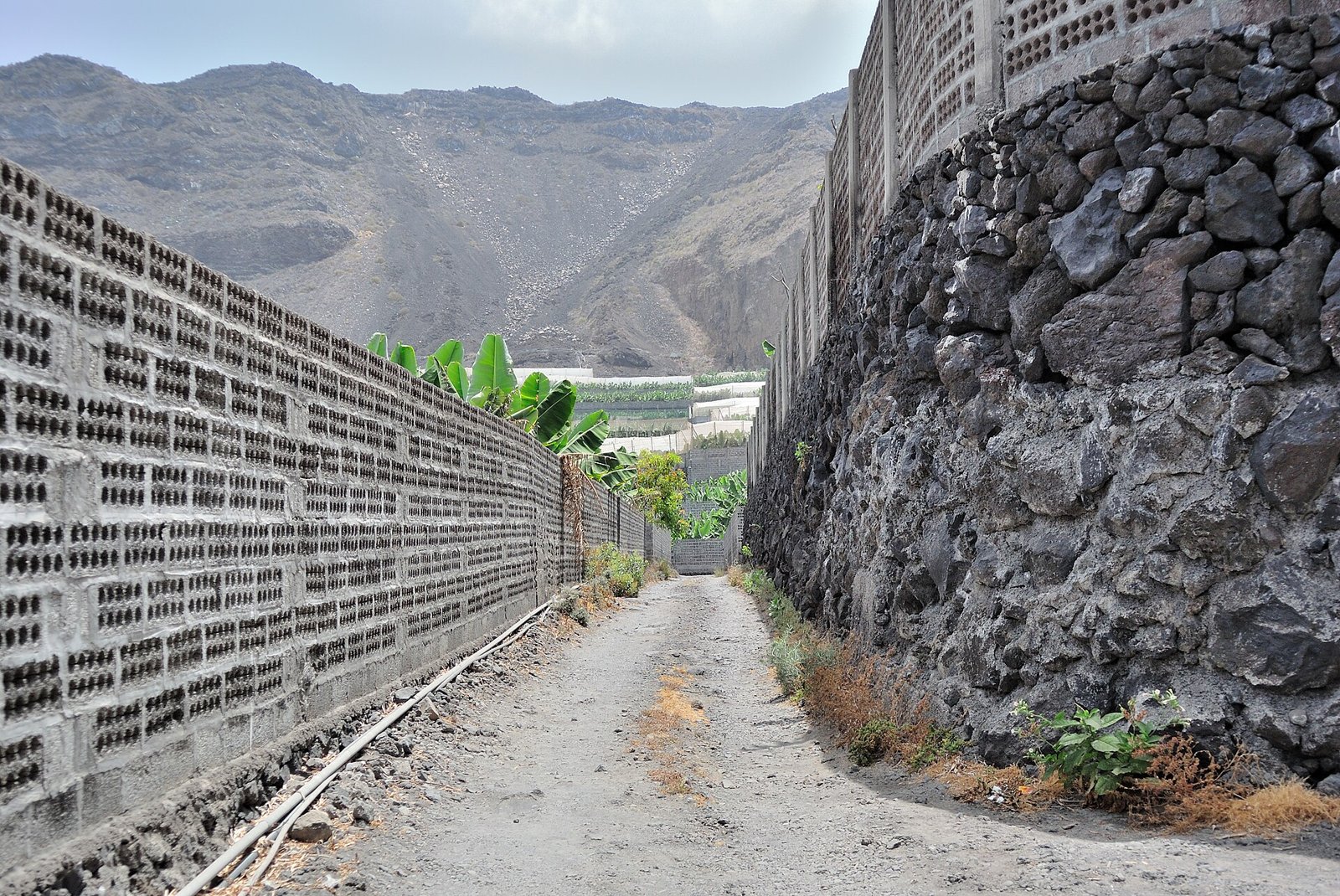
Photo: Jarek Prokop, CC BY 3.0 (Symbolbild).
The main outlet is mainland Spain, which absorbs around 90 percent of annual output, per sector figures cited by eldiario.es. That market is described as saturated, with farm-gate prices below cost for much of 2026.
What is happening
In week 31 of 2026, the farm-gate price for the extra grade was around 0.36–0.37 euros per kilo, according to Spanish Agriculture Ministry (MAPA) data cited by moncloa.com and eldiario.es. Production costs, per the same sources, run between 0.70 and 0.80 euros per kilo.
On those numbers, even the top category sells below cost. The lower grades (primera and segunda) find almost no buyers and, according to eldiario.es, generate net losses. Hence the talk of a "broken" market in which only the extra grade "survives" — frequently, too, at a loss.
Why prices are collapsing
The diagnosis relayed by the media points to an oversupply of fruit combined with falling demand from end consumers. Added to this is competition from the "banana" — the imported, mostly Latin American banana — which in 2025 grew, per sector data, by 4.62 percent to 322 million kilos.
Summer makes it worse: open-air cultivation surges with the heat, so supply peaks just as consumption dips. To avoid destroying surpluses, part of the crop is held back on the farms, which cuts weekly shipments.
Prices, costs and POSEI aid
The sector receives EU support through the POSEI programme, put at around 0.32 euros per kilo for the 2025–2027 period, according to eldiario.es and moncloa.com. Even adding that aid to the farm-gate price, income comes to about 0.68 euros per kilo — still below the estimated cost.
moncloa.com puts the EU's annual transfers to the sector at 141.1 million euros. The aid cushions the blow but does not, on its own, close the gap between price and cost in the summer weeks.
Growers, the rural economy and ASPROCAN's role
The crop supports more than 7,100 growers and some 5,000 direct jobs, per sector figures circulated by outlets such as aenverde.es. It is a pillar of the Canary rural economy, above all on La Palma, Tenerife and Gran Canaria.
ASPROCAN, the association grouping the six producer organisations, met with its commercial commission on 7 August without adopting exceptional measures, according to eldiario.es, and put off decisions pending a possible improvement around mid-September. The sector also recalls the impact of the 2021 La Palma eruption, after which ASPROCAN created a special "Plátano de Canarias del Volcán" label.
What it means for the PGI — and what comes next
Plátano de Canarias output closed 2025 at 374.6 million kilos — 12 percent below 2024 and one of the lowest figures in 25 years, per aenverde.es. Even so, the sector generated, according to that source, more than 468 million euros for the islands.
The 2026 campaign has strung together losses since late 2025. The near future depends on consumption reviving on the mainland and supply rebalancing; so far, neither the sector nor ASPROCAN has announced a concrete fix beyond hoping for a seasonal recovery.
Key facts & figures
- EUR 0.36–0.37/kg: farm-gate price for extra grade, week 31/2026 (MAPA, via moncloa.com and eldiario.es)
- EUR 0.70–0.80/kg: estimated production cost (eldiario.es, moncloa.com)
- ~EUR 0.32/kg: POSEI aid 2025–2027; EUR 141.1m in annual EU transfers to the sector (moncloa.com)
- ~90%: share of output shipped to the mainland (eldiario.es)
- 374.6m kg: 2025 output, 12% below 2024 (aenverde.es)
- 7,100+ growers and ~5,000 direct jobs (aenverde.es)
FAQ
- Why is the market called "broken"?
- Because farm-gate prices have been below production cost for months and only the extra grade is holding on, often at a loss, per eldiario.es.
- How much does the grower get per kilo?
- In week 31/2026 the extra grade was around 0.36–0.37 EUR/kg at the farm gate, per MAPA data cited in the media.
- Does POSEI aid cover the losses?
- It cushions but is not enough: added to the price, income is about 0.68 EUR/kg, below the 0.70–0.80 EUR/kg cost.
- What role does the imported "banana" play?
- It competes on the mainland and gained volume in 2025 (+4.62%, to 322m kg), per sector figures.
- What is ASPROCAN doing?
- It met on 7 August without exceptional measures and deferred decisions until around September, according to eldiario.es.
Read on
- Canary Islands Beach Accessibility Still Lags: Only 33 of 350 AdaptedCanary Islands · 9 August
- Tenerife Bets on Quality Tourism and a More Diverse EconomyTenerife · 26 July
- Canary Islands holiday lets: deadline now 31 December 2027Canary Islands · 10 November
- Sal, Cape Verde from the Canaries: flights and entry rulesCanary Islands · 10 November
- Canary Islands flights this weekend: 5,640, up 420Canary Islands · 1 November
- All events on the Canary Islands →