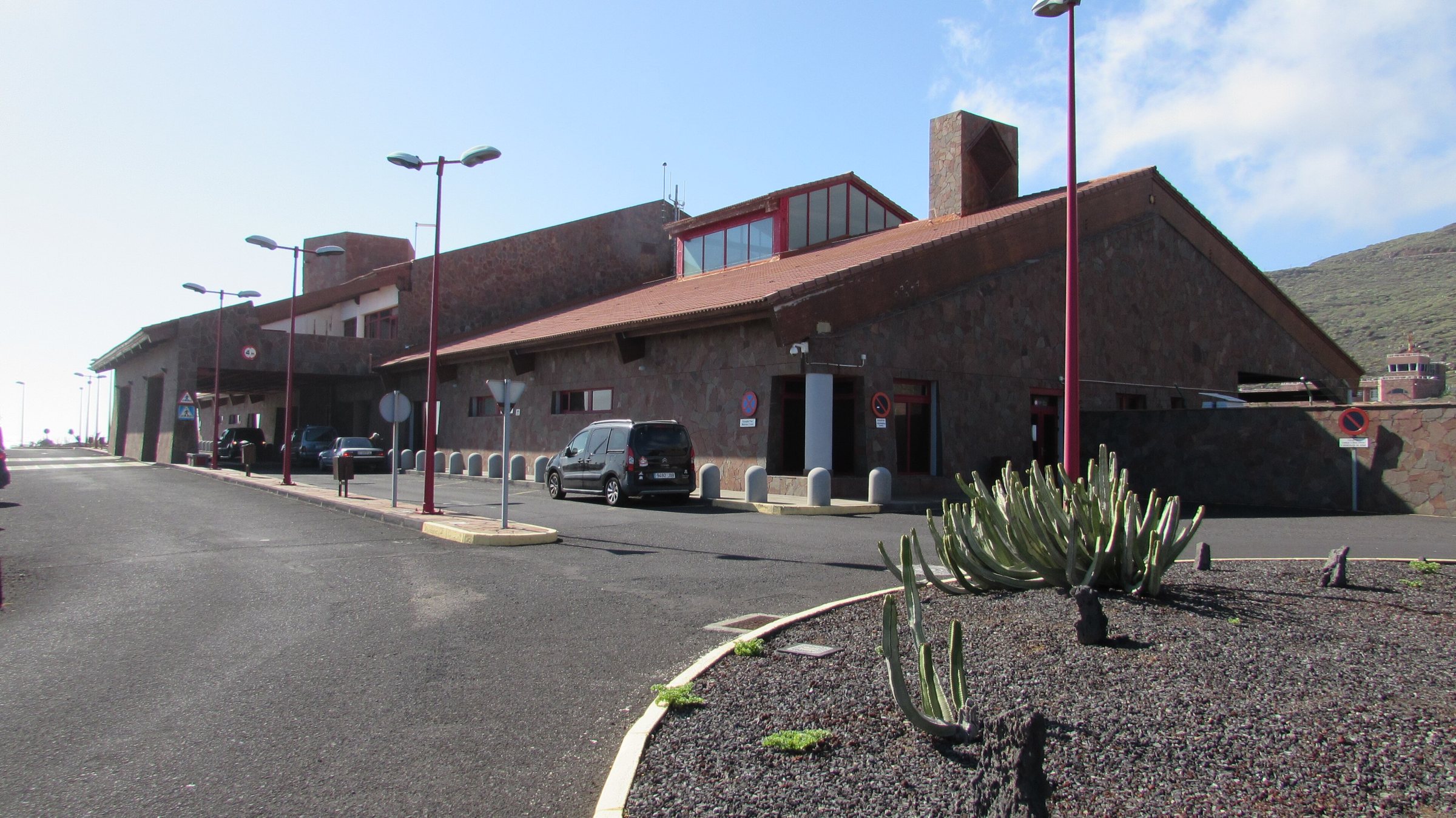
What changes for travellers on El Hierro?
The Canary Islands government said on 20 November that El Hierro airport will receive €14.8 million from 2027 to 2031. Nothing changes for holidaymakers and residents for now, because the money only flows from 2027.
Transport minister Óscar Puente puts the rise at about 3 cents more in airport charges per passenger per year on average, which he calls “virtually a freeze”. He means the average airport charge, not the airline's ticket price.
So far nobody has announced a terminal closure, a longer runway or a new route. Travellers need not apply for anything or rebook, and no construction dates are published.
What will the money actually pay for?
Aena, the state airport operator, lists the renewal of the runway surface and a larger aircraft parking area with a new stand in its plan. The proposal dates from February 2026.
Further project details mention safety equipment, including airport fire vehicles, LED lighting and renewed water treatment. Aena's announcement does not list these items, so they count as unconfirmed.
Pablo Rodríguez, the Canaries' regional minister (consejero) for public works, housing and mobility, stresses safety and operations. The government filed objections on all airports, El Hierro included, with what he calls the consensus of all the island's public institutions.
How much do the other Canary Islands airports get?
The Canaries receive €1,807 million for their eight airports, as the Spanish government decided on 15 September 2026. Nationwide, the plan covers just under 13 billion euros.
Tenerife Sur leads with €553.6 million, followed by Gran Canaria with 336.3 and Lanzarote with 327.4 million. Tenerife Norte gets 313.4, Fuerteventura 153.2 and La Palma 89 million euros, according to Aena.
At €14.8 million, El Hierro has the smallest sum of the eight airports, with La Gomera next at 19.2 million. That fits its size: Aena counted about 313,000 passengers and three routes there in 2025.
Aena gives €6.9 million for El Hierro for 2022 to 2026, so the new sum is a good deal more than double. For Tenerife Sur, the sum rose from 68.9 to 553.6 million euros over the same comparison.
Who decided, and who pays?
DORA III (Documento de Regulación Aeroportuaria 2027–2031) is the five-year framework for the state airport operator. Aena drew up the proposal after five months of consultation with airlines and users.
The competition authority CNMC recommended in June 2026 an average fee cut of 0.59% a year. Aena had earlier asked for a rise of 3.82% a year.
Aena says it receives no money from the state budget and recovers part of its investment through airport charges. The figures available do not show who ultimately pays these charges.
An average rise of 0.33% a year is also quoted for 2027 to 2031, or 1.65% in total. That percentage and the 3 cents do not measure the same thing, and no comparison exists.
What is still open, and what happens next?
Rodríguez outlined the plans to a parliamentary committee and called for the budget lines, especially the general ones, to be carried out “with a clear calendar and clear planning”. No timetable, tender dates or breakdown of these lines have been published so far.
By his account, traffic on El Hierro has beaten the forecasts of the previous plan, DORA II, and should beat those of DORA III. Aena, however, gives 313,000 passengers for 2025, about 2.8% fewer than the 322,000 in 2024.
Rodríguez also mentioned a future bilateral body between the Canaries and the state (Órgano Bilateral Canarias-Estado). Through it, the islands could take part in planning airports of general interest, but no start date is confirmed.
Minister Ángel Víctor Torres has sent the proposal for a public service obligation (OSP) for the “Islas Verdes” to airlines and the Canary Islands government. According to Rodríguez, it could raise flight frequency on El Hierro, but frequencies, timetables and prices are not yet set.