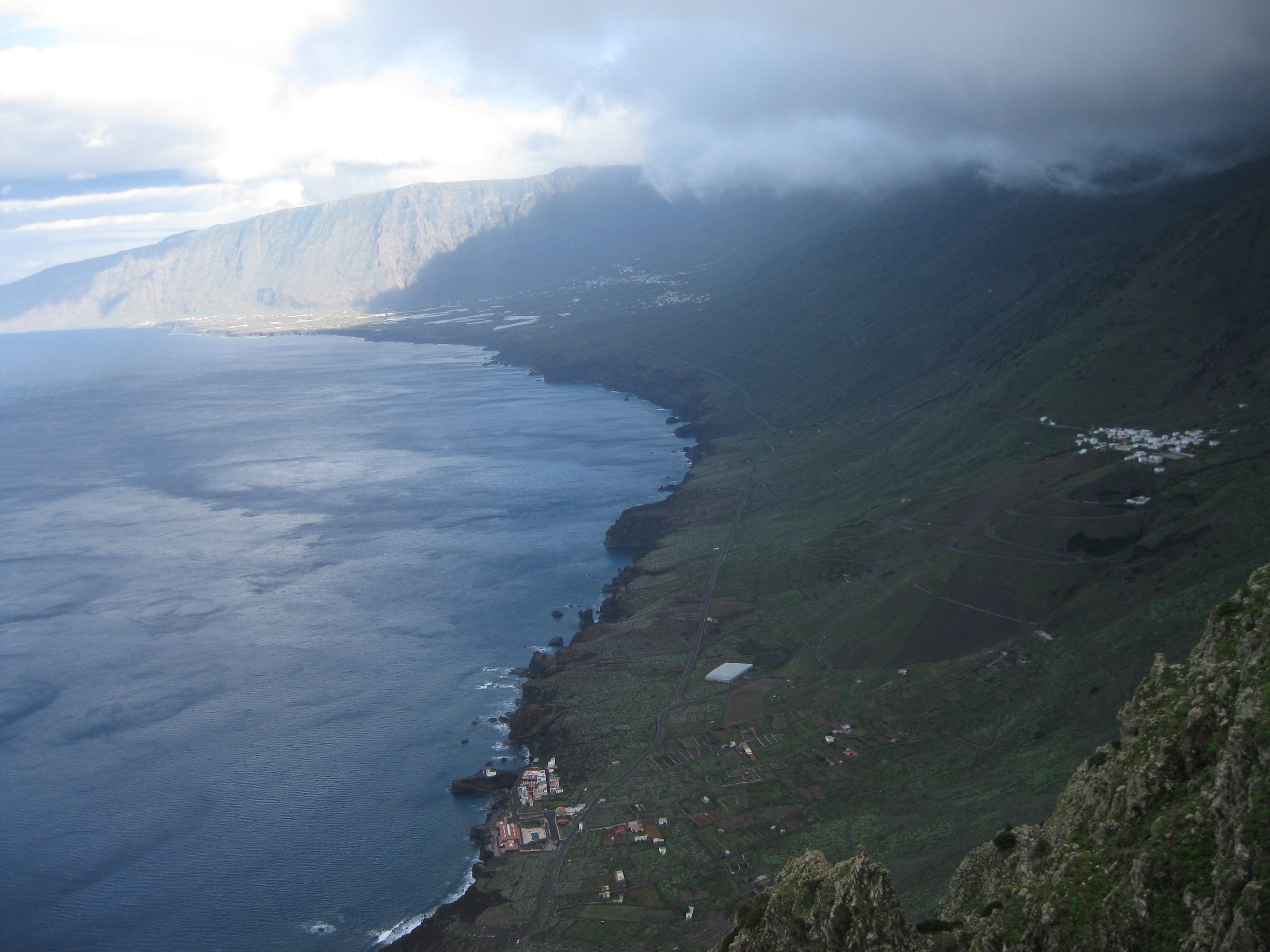
What changes for visitors on El Hierro?
AEMET has put El Hierro under an orange rain warning until 06:00 on 3 November. Its advice in Spanish is “Esté preparado”, roughly: “Be prepared. Take precautions and stay informed.”
The risk peaks in the late afternoon and at night into 3 November, according to AEMET. At those times showers may locally pass the threshold of 30 millimetres an hour.
Anyone out on the island should postpone excursions and keep journeys to the essential. That matches the Canary Islands government’s advice from October to avoid unnecessary trips.
The sources reviewed on 2 November listed no closed roads. If you have booked a tour or a transfer, ask the provider directly.
Which warning applies exactly, and who decides?
AEMET’s warning for El Hierro names 30 millimetres of rain in one hour as the threshold. The warning runs from 10:00 on 2 November to 06:00 on 3 November.
AEMET says the showers may locally bring small hail and very strong gusts of wind. The agency considers serious harm to people and property possible, especially for vulnerable people and in exposed spots.
The regional government’s emergency service, the Dirección General de Emergencias, declared an alert for La Palma, El Hierro and La Gomera in the early hours of Monday. Tenerife and Gran Canaria remain at pre-alert level, Diario de Avisos reports.
On the three alert islands, the authorities expect scattered showers of more than 30 millimetres an hour, most likely until about 15:00. AEMET instead stresses the late afternoon and the night, so plan around the longer window.
What happened during the last orange alert on 22 October?
On 22 October, rock, gravel and mud blocked several lanes of the HI-5 in the Los Roquillos tunnel near Frontera, RTVC reports. Only one of three lanes stayed clear until crews reopened the road around midday.
On the HI-1 between La Llanía and La Candelaria, falling stones and branches briefly closed the road. The Santuario de la Virgen de los Reyes (the island’s pilgrimage shrine) shut to visitors because access was dangerous.
The authorities named the tunnel and the stretch from Tigaday up to the summit as the worst hit. RTVC recorded 20.4 litres per square metre in El Pinar, one of the highest figures in Spain that day.
The Canary Islands government had then expected up to 30 litres per square metre in an hour and about 100 litres in twelve hours. According to RTVC, it lifted its alert at 07:00 on Friday.
How should visitors and residents behave?
During the October rain, the Canary Islands government advised people to avoid unnecessary journeys and not to cross flooded roads. That notice was not reissued for 2 November, so these tips serve only as a guide.
It is best to stay away from ravines and spots where water collects. If you drive, go slowly and leave more space, and at home it pays to clear the drains.
An older notice about Storm Francis, relayed by elDiario.es, advises low gears and a brake check. It recommends main roads over dirt tracks, and says to avoid garages, cellars and lifts.
For real emergencies, call 112 Canarias, and 012 for general information. The sources reviewed did not confirm whether hiking trails, ferries or flights are affected.
What is still unknown and what happens next?
No measured rainfall is available for 2 November, and no statement from the Cabildo de El Hierro (the island government) could be found. Closures of roads, schools and hiking trails, and ferry and flight cancellations, are also unconfirmed.
The AEMET warning expires at about 06:00 on 3 November. The Canary Islands government expects the situation to end in the first hours of Tuesday.
For 3 November it expects rain described as “dispersos y menos intensos”, meaning more scattered and weaker, mainly in the uplands. Where, how hard and how long remain uncertain, and the emergency service may change or lift the alert level.
La Gaceta de Canarias headlines that the rain will last until Tuesday. The sources gave no date for the next AEMET update, and current advice is on aemet.es and from 112 Canarias.