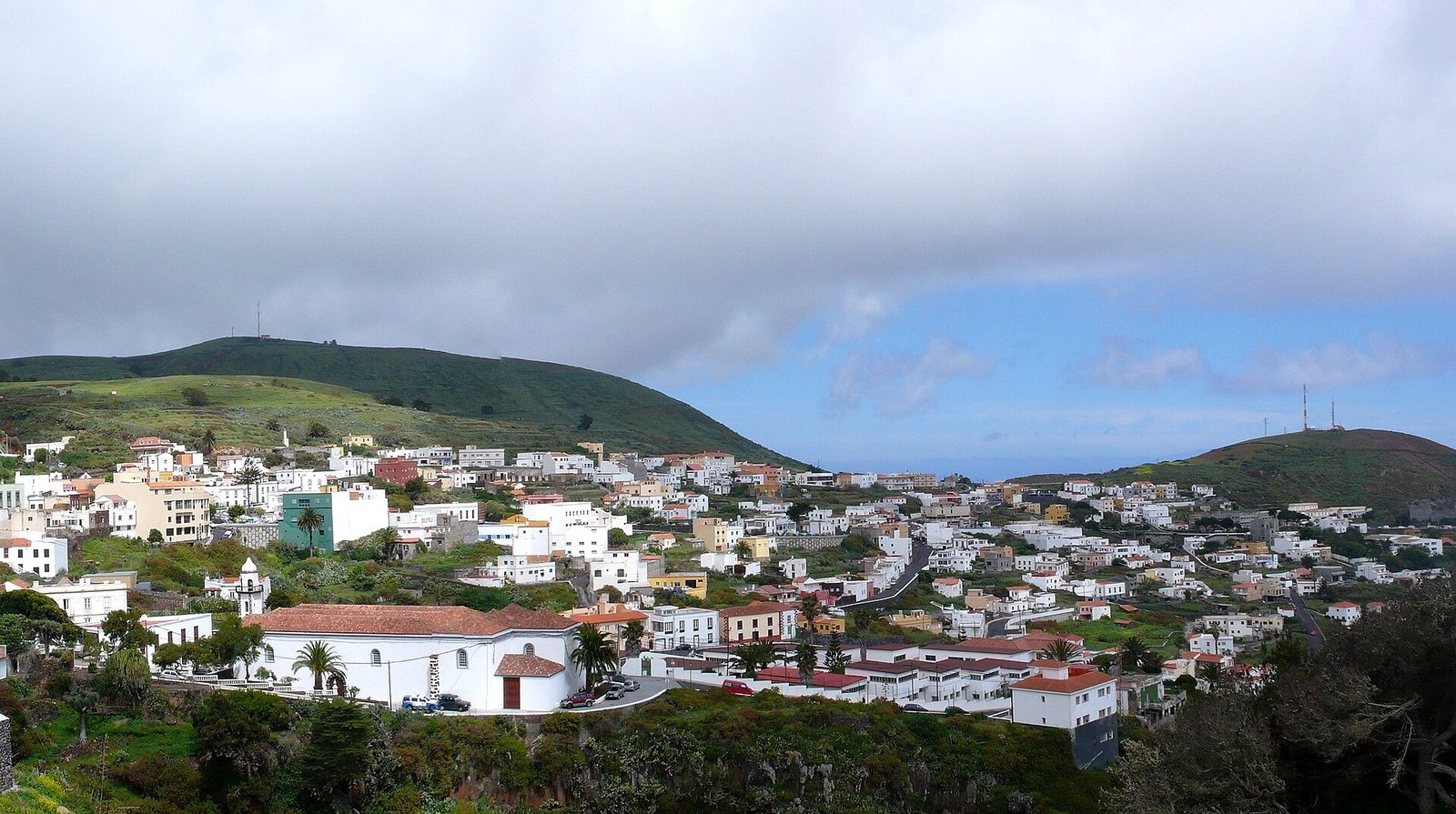
For years, a routine MRI scan meant a logistical puzzle for the people of El Hierro. A flight, a ferry, or an anxious wait, all for a test that is standard in larger hospitals. That chapter is finally closing. The island’s health service is putting the finishing touches on a project that brings this advanced diagnostic tool directly to the local community, marking a significant step forward for healthcare on the smallest of the main Canary Islands.
The new MRI unit will be located in a purpose-built annex at the Hospital Insular Nuestra Señora de los Reyes, the island’s main hospital in Valverde. Managed by the Servicio Canario de la Salud (SCS), the project involves the completion of a dedicated building to house the scanner and additional facilities. Construction work officially began after the replanteo acta was signed, with a set execution period of ten months. While no official launch date has been confirmed by the health authorities, the timeline makes it reasonable to expect the scanner to be operational sometime in 2026.
A Project Built with European Support
Bringing a sophisticated piece of medical technology to a remote island requires serious investment, and this project has been made possible through a blend of regional and European funding. The construction of the annex building itself carries a budget of €1,159,402. A substantial 85% of this cost is co-financed by the European Union through the FEDER (European Regional Development Fund), with the project driven by the Health Area Management of El Hierro, under the Canary Islands Government’s Department of Health.
The MRI equipment itself is a separate story of targeted investment. The supply contract was awarded to Philips Ibérica S.A. for €757,050, funded through the national INVEAT plan. This initiative, promoted by the Spanish Ministry of Health, channels Next Generation EU funds from the Recovery, Transformation and Resilience Plan to upgrade high-tech health equipment across the country. While some sources cite a total equipment investment closer to €1.2 million, the core message is consistent: the scanner is a direct result of the INVEAT plan, with no documented direct financial contribution from the El Hierro Cabildo for the purchase or construction, though the local government has been a strong institutional supporter.
Ending the Tenerife Commute for a Scan
The most tangible benefit for residents is the elimination of a stressful and costly journey. In a parliamentary debate, it was stated that the new MRI will avoid more than six hundred patient trips to Tenerife each year. This figure is an institutional estimate, not a final audited statistic, but it paints a clear picture of the expected impact. The Canary Islands Government has consistently justified the project by highlighting how it will prevent patients from having to travel to the reference hospital in Tenerife for this test.
For anyone living on El Hierro, this change is profound. It means no more booking flights, arranging time off work, or paying for accommodation just for a diagnostic scan. The impact is especially significant for elderly patients, those with chronic conditions, oncology patients, and anyone with reduced mobility, for whom inter-island travel is a major physical and emotional burden. The scanner effectively brings a cornerstone of modern diagnostics into the local community, allowing for faster and more convenient care.
A Boost for the Whole Hospital
The benefits extend far beyond the MRI machine itself. The new annex building is designed to strengthen the hospital’s overall capacity. Alongside the MRI suite, the space will house an orthopantomograph (a panoramic dental X-ray), new consultation rooms, waiting areas, and a bathroom for specialized care. This expansion allows the hospital to reorganize its existing space, freeing up room for other critical services like the emergency department and pharmacy.
On a clinical level, the scanner reinforces the diagnostic capabilities of local health professionals. The Ministry of Health has indicated that the new equipment is expected to reduce MRI waiting lists in the Tenerife–El Hierro health area by about 50%. This means faster diagnoses for a wide range of conditions, from neurological issues and joint injuries to complex pathologies like cancer, enabling treatment to begin sooner. While the full local impact is yet to be quantified, the potential for improved patient outcomes is significant.
What This Means for You on El Hierro
Whether you are a lifelong resident, a new expat, or a digital nomad settling in for a few months, the arrival of the MRI changes the healthcare landscape. For local families, it removes a layer of stress and expense from the diagnostic process. The financial and emotional toll of traveling for a scan—often with a companion—is now a thing of the past for MRI needs. This brings El Hierro’s public health service a significant step closer to the self-sufficiency that larger islands enjoy.
For the growing community of long-stay visitors, the presence of an MRI scanner adds a layer of security. While no one plans to need a scan, knowing the technology is available on the island provides considerable reassurance. It minimizes the disruption of a potential health issue during your stay, reducing the likelihood of an inter-island transfer for purely diagnostic reasons. As the hospital’s capacity grows, so does the island’s appeal as a place where you can truly live, work, and stay well, without compromise.
Common questions
- Where exactly will the new MRI be located?
- It will be in a new, dedicated annex building at the Hospital Insular Nuestra Señora de los Reyes in Valverde.
- When will the MRI scanner start operating?
- There is no official start date yet. Construction has a 10-month timeline, so operation is expected sometime in 2026.
- Who is paying for the new MRI on El Hierro?
- The building is funded by the Canarian Health Service (SCS) with 85% EU FEDER co-financing. The scanner was bought with funds from the national INVEAT plan, backed by Next Generation EU funds.
- How many trips to Tenerife will this save?
- An institutional estimate suggests it will avoid more than 600 patient trips per year, though this is an orientative figure pending real-world data.
- Will this completely stop the need to go to Tenerife for healthcare?
- No. While it ends the need to travel for MRI scans, patients will still be referred to Tenerife for certain highly specialized treatments not available on El Hierro.
Read on
- El Hierro: 118 litres of rain in Valverde in one dayEl Hierro · 21 October
- El Hierro: Three children with meningitis at La FronteraEl Hierro · 21 October
- El Hierro film concert 17 Oct: Tenerife band plays ValverdeEl Hierro · 15 October
- El Hierro yellow weather warning for rain on 20 OctoberEl Hierro · 20 October
- El Hierro: Salmor Bike on 17 October, 55 euro entry feeEl Hierro · 15 October
- All events on El Hierro →
Stand: 17 July 2026. This article is based on verified public information from the Government of the Canary Islands, the SCS, and parliamentary records. No official launch date for the MRI has been published.