Three Canary Islands generate over 89% of their power from diesel engines
Three of the Canary Islands cover more than 89% of their electricity generation with the most polluting model available: diesel engines in thermal power plants. That is the finding of Red Eléctrica's (Redeia group) report "El sistema eléctrico en las Islas Canarias 2025", reported by eldiario.es/Canarias Ahora and moncloa.com on 14 August 2026.
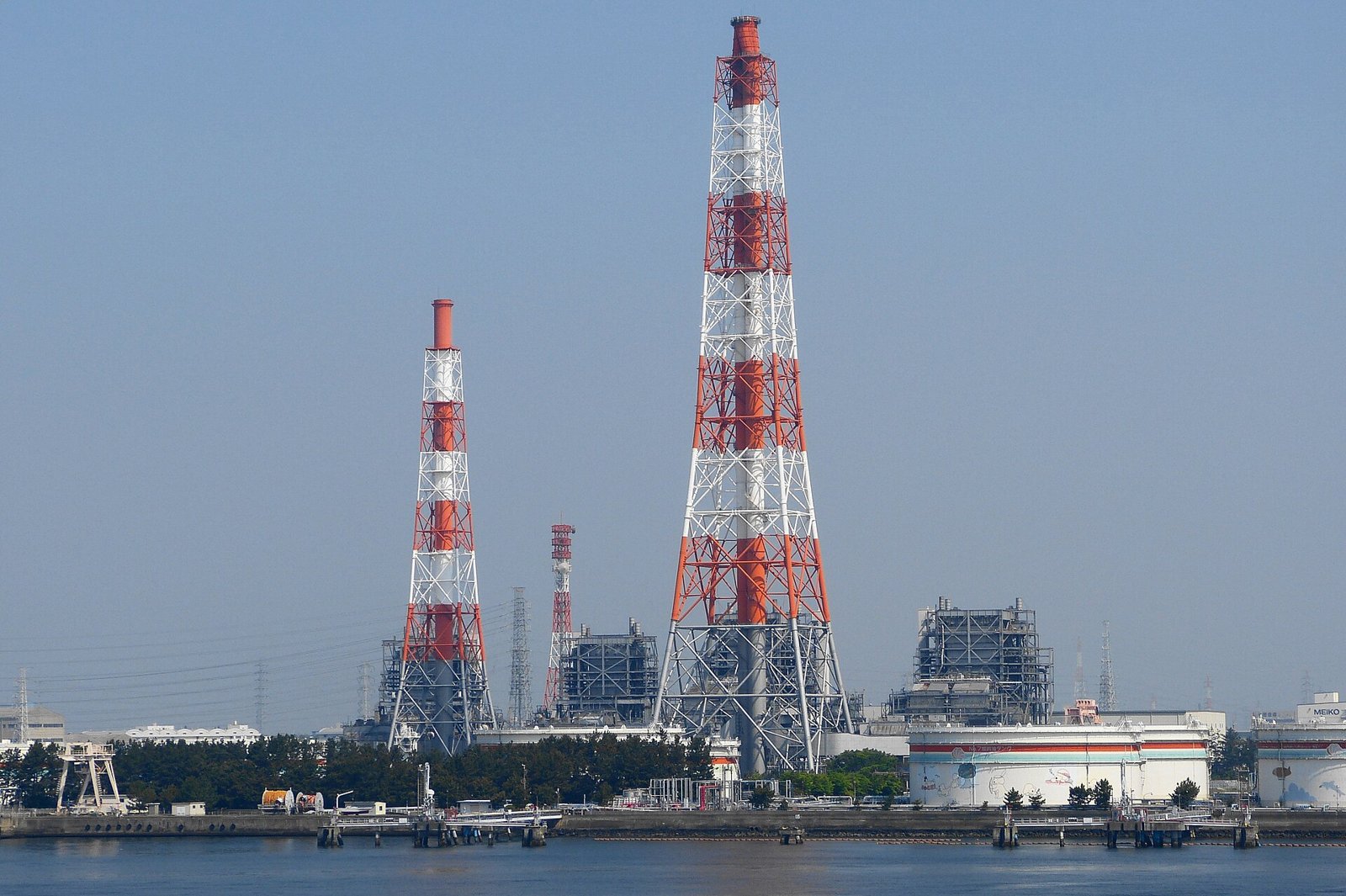
Photo: アラツク, CC BY-SA 4.0 (Symbolbild).
La Palma leads with 92.2%, followed by La Gomera at 89.2% and Lanzarote at 88.8%. Across the archipelago, renewables covered just 21% of electricity consumption in 2025, according to the report.
The figures for the three islands
According to the Red Eléctrica report, in 2025 diesel engines produced 92.2% of the electricity generated on La Palma, 89.2% on La Gomera and 88.8% on Lanzarote. The term refers to fuel-oil and diesel units in the islands' thermal power stations.
This model is considered the most carbon-intensive and among the most expensive options. The figures relate to 2025 generation and were relayed by eldiario.es/Canarias Ahora and moncloa.com on 14 August 2026.
Why small island grids depend on diesel
The Canary Islands' electricity systems are small and isolated: there is no interconnection to the mainland grid. That absence of a link makes the islands structurally dependent on thermal plants, which provide baseload and grid stability.
Because swings in wind and solar are hard to balance on a small, closed grid, diesel units act as the backbone of supply. The build-out of renewables has been slow, the available data indicate.
21% renewable across the archipelago
Across all the islands, renewables covered only 21% of final electricity consumption in 2025 — up just 0.2 percentage points on 2024 and two points above the 19% recorded in 2023, the report states.
The breakdown: wind 15%, solar PV 5%, hydro 0.3% and other renewables 0.8%. The bulk of generation therefore still comes from fossil fuels.
El Hierro and Fuerteventura as counter-examples
There are exceptions. On El Hierro, the Gorona del Viento hydro-wind plant supplied 43.6% of the island's consumption in 2025, according to the report, and the island ran 178 consecutive hours on 100% renewable electricity.
Fuerteventura also did better than the three diesel leaders: thanks to a larger share of wind, its dependence on diesel engines stood at 67.4%.
CO₂ and what the balance means
The Canary Islands' electricity generation emitted 4.9 million tonnes of CO₂-equivalent in 2025, according to Red Eléctrica. The heavy reliance on diesel is therefore costly not only in financial terms but in climate terms.
The numbers paint a two-speed picture: while individual islands such as El Hierro make progress, the archipelago as a whole remains heavily dependent on fossil generation. Whether the pace of the build-out will pick up cannot be inferred from the available data.
For comparison, it is worth looking at previous editions, as the shares shift only slowly from year to year.
Facts and figures
- La Palma: 92.2% of electricity from diesel engines; La Gomera: 89.2%; Lanzarote: 88.8% (Red Eléctrica, 2025)
- Across the archipelago renewables covered just 21% of consumption, +0.2 points on 2024 (Red Eléctrica)
- Breakdown: wind 15%, solar PV 5%, hydro 0.3%, other renewables 0.8% (Red Eléctrica)
- 4.9 million tonnes of CO₂-equivalent from Canary electricity generation in 2025 (Red Eléctrica)
- El Hierro: Gorona del Viento covered 43.6% of consumption; 178 consecutive hours on 100% renewables (Red Eléctrica)
- Fuerteventura: 67.4% diesel dependence thanks to a larger wind share (Red Eléctrica)
FAQ
- Which islands depend most on diesel?
- La Palma at 92.2%, La Gomera at 89.2% and Lanzarote at 88.8% of their electricity generation, according to Red Eléctrica for 2025.
- What was the overall renewable share?
- Across the archipelago renewables covered 21% of electricity consumption in 2025, up 0.2 points on 2024, the report says.
- Why are the islands so dependent on diesel?
- The grids are small and not linked to the mainland; thermal plants secure baseload and stability, which makes the systems structurally dependent.
- Are there positive counter-examples?
- Yes. On El Hierro, Gorona del Viento covered 43.6% of consumption, and the island ran 178 consecutive hours on 100% renewables.
- How much CO₂ did power generation cause?
- According to Red Eléctrica, Canary electricity generation emitted about 4.9 million tonnes of CO₂-equivalent in 2025.
Read on
- Canaries: Plenilunio ends with over three million effectCanary Islands · 5 October
- 1.026 billion euros: why Canary Islands power costs so much moreCanary Islands · 17 September
- Three fifths: who can ban holiday letting in your own building in the CanariesCanary Islands · 14 September
- Canary Islands rent rise capped at 2%, INE index 2.57%Canary Islands · 13 November
- Spain rent decree survives 35-34; no automatic renewalCanary Islands · 13 November
- All events on the Canary Islands →