An island is an island for its electricity too: there is no thick cable to the mainland to help out in an emergency. If the local plant fails, it quickly goes dark — and that is exactly what La Palma experienced several times in 2025.
This is more than a technical footnote. Reliable power underpins fridges, traffic lights, the internet and tourism. That is why the energy transition on the smaller Canary Islands is not a distant climate topic but a very practical daily matter.
What happened in 2025
In June 2025 an island-wide blackout brought all of La Palma to a halt after the main generator at the Los Guinchos plant failed and the backup collapsed with it. May had already seen three outages, one leaving about 19,000 connections without power. The plant is over 50 years old; island leaders simply called it obsolete.
Why small islands are vulnerable
A small, isolated grid has no big neighbour to borrow power from in a pinch. When almost everything hangs on a single plant, one fault is enough to cause an island-wide problem. Making it harder, renewables so far cover only about 10% on La Palma — the rest comes from the old diesel plant.
The road to 100% clean power
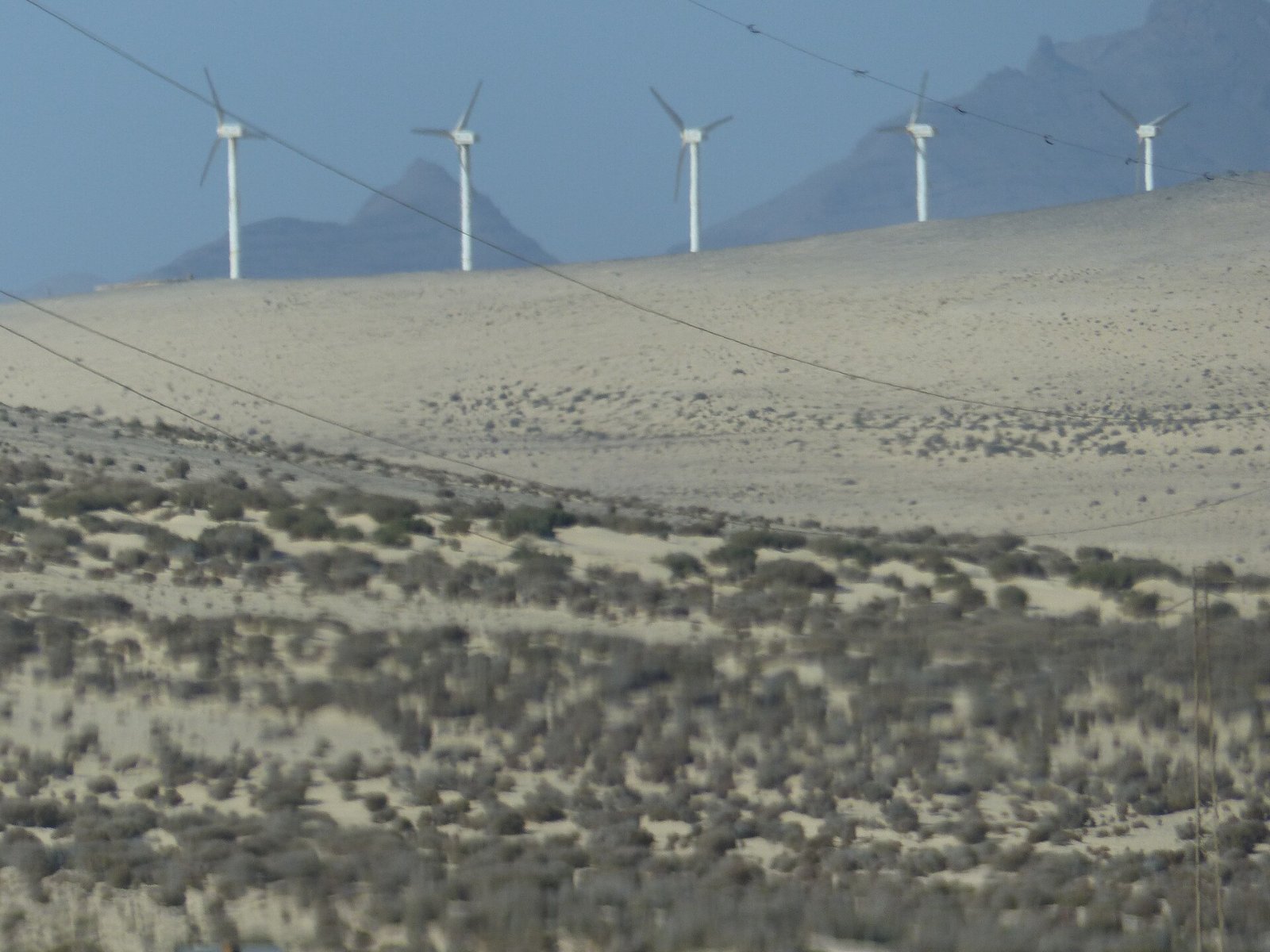
There is a plan. In 2023 the EU picked La Palma as one of 30 island territories set to become 100% renewable by 2030, with technical and political support. Ideas like the "Manifiesto del Electrón" bank on reactivating the historic Mulato hydro plant, more sun and wind, and plain efficiency.
Between ambition and everyday life
The path is not easy. Storage and grid upgrades are expensive, and as long as repairs to the old plant count as a stopgap, the core problem remains. Responsibility is split across several parties, and tourism warns that power insecurity harms the island's reputation — especially after the 2021 volcanic eruption.
Frequently asked
- Why does La Palma lose power more often?
- Because the island relies heavily on a single, old plant and the grid is isolated. If the plant fails, there is no big neighbour to help out.
- How much of the power is already renewable?
- So far only about 10%. Most still comes from the old diesel plant.
- What is the goal?
- 100% renewable energy by 2030, backed by an EU programme for island regions.
- Should I worry as a visitor?
- No. Outages are rare and usually short. A power bank and torch are handy all the same.
- Why not simply build more solar and wind?
- They are — but without storage and a modern grid, variable sources are hard to manage on a small island.
Read on
- La Palma diesel at €1.90: 57 cents more since FebruaryLa Palma · 12 October
- La Palma: AstroFest links sun viewing and Awara cosmosLa Palma · 10 October
- La Palma: 100+ classic Land Rovers meet in Mazo, 10 OctLa Palma · 9 October
- La Palma: 220 cruise calls by Aug 2027, 48 in DecemberLa Palma · 9 October
- La Palma: renting a flat – prices, areas and tipsLa Palma · 6 October
- All events on La Palma →
Figures as of July 2026, based on public reporting. Exact numbers for outages and the renewables share may vary by source.